Why Do Solar Panels Need Inverters?
Solar panels produce direct-current (DC) electricity when sunlight reaches their cells. Most homes and power grids use alternating-current (AC) electricity. An inverter changes the panels’ DC output into AC power that household appliances can use. That is the gap.
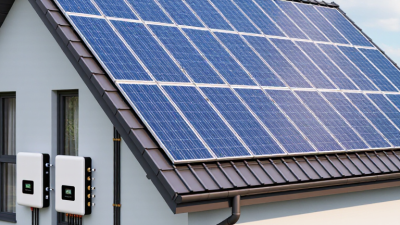
The role of solar panels and inverters goes beyond basic conversion. Inverters can also monitor system output, help manage voltage, and, in some setups, coordinate with batteries or grid connections. Their design affects how a solar system responds to shade and changing sunlight. For example, a string inverter connects several panels to one central unit, while microinverters sit behind individual panels. The right option depends on the roof, panel layout, budget, and installation plan.
An inverter does not create extra solar energy. Some energy is lost during conversion, and performance can vary with heat, shade, wiring, and equipment condition. A display showing lower output on a cloudy afternoon may be normal; a persistent drop deserves closer inspection. Still, this overview is simplified. Real systems differ, and manufacturer specifications and a qualified installer’s assessment matter when choosing equipment.
The sections ahead explain why inverters are essential, how common types work, and what homeowners should consider when comparing them. Understanding these details makes system proposals easier to evaluate—and helps separate useful features from claims that need more evidence.
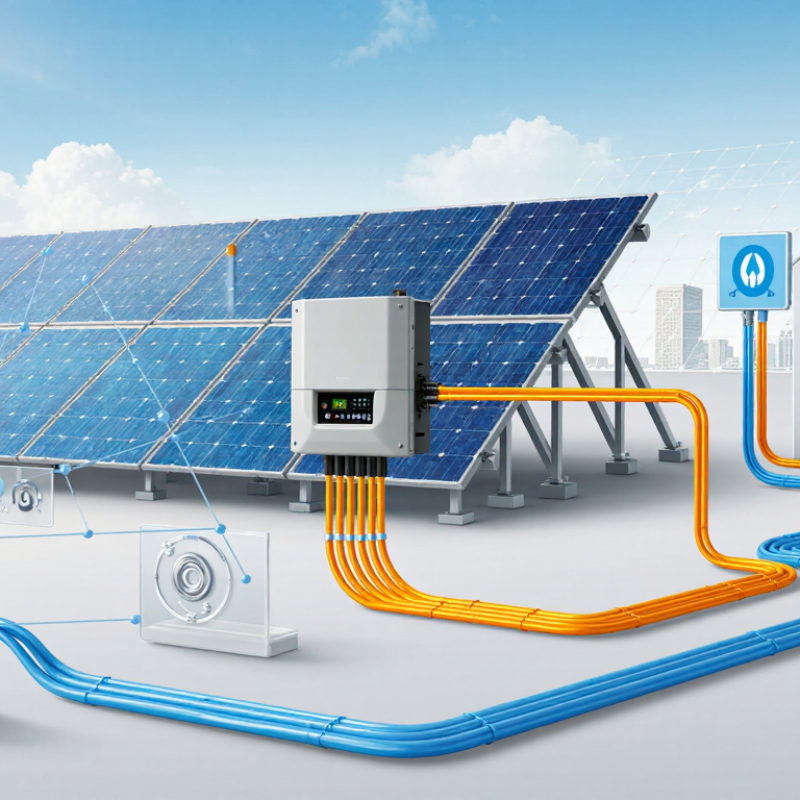
How Solar Panels Produce Direct Current
When sunlight reaches a solar cell, photons transfer energy to electrons in its semiconductor layers. The cell’s internal electric field nudges those energized charges in a preferred direction, creating a voltage. Connect cells together, and their small outputs combine into usable electrical power. That current flows one way: direct current, or DC. Not a mystery.
Real output is less tidy than a diagram suggests. Clouds, branch shade, panel heat, and sunlight angle can change current and voltage throughout the day. In a series string, cell voltages add; parallel connections increase available current, within system design limits. Thin metal contacts collect charge, while cables carry DC from the array toward an inverter. That steady direction matters, but the supply itself can fluctuate sharply. I still find the simplest sketch slightly misleading: a panel is not a fixed-output battery. Its DC is made in real time, with small changes that wiring and controls must accommodate.
Why Do Solar Panels Need Inverters? — How Solar Panels Produce Direct Current
Solar panels produce direct current (DC). An inverter converts this electricity into alternating current (AC), which is used by most household appliances. The illustrative clear-day profile shows AC output slightly below DC output because conversion is not perfectly efficient; actual production varies with weather, location, and system design.
Why Homes and Power Grids Use Alternating Current
Why Do Solar Panels Need Inverters?
Why Homes and Power Grids Use Alternating Current
Solar panels generate direct current (DC), with charge flowing in one direction. Most household circuits and conventional power grids use alternating current (AC), which regularly reverses direction. In North America, grid power is typically 60 hertz; many other regions use 50 hertz. A grid-connected inverter converts solar DC into AC and synchronizes its voltage, frequency, and phase with the grid.
The reason is practical, too. Transformers can raise AC voltage for long-distance transmission and lower it near homes. At higher voltage, the same power travels with less current, reducing resistive wire losses. Modern high-voltage direct-current links show AC is not the only choice, but local grids and appliances still largely use it. Ember’s Global Electricity Review 2024 reports solar generated 5.5% of global electricity in 2023. That is no longer a niche trick. Conversion is never perfectly efficient, and heat, shade, or system design can affect output.
Tips: Check the inverter display around midday, then compare it with the system’s monitoring data. A warm casing may be normal; blocked vents, error lights, or repeated shutdowns merit professional inspection. One cloudy afternoon tells little.
How Inverters Convert Solar Electricity for Everyday Use
Solar panels produce direct-current electricity, but most household appliances use alternating current. An inverter bridges that gap. It changes the panels’ steady, one-direction flow into electricity that can power lights, refrigerators, and other everyday devices.
In a grid-connected system, the inverter also matches the home’s electrical frequency and voltage with the utility supply. Some systems include batteries, so their inverters can manage stored energy as well. Conversion is not perfectly efficient; a small amount of energy becomes heat. On a sunny afternoon, that difference may be hard to notice, but it matters when estimating a system’s output. An inverter also cannot fix every problem, such as heavy shade on a panel.
Tips: Check the inverter display for daily production. Keep vents clear, and ask a qualified installer about warning lights or unusual heat.
It is tempting to think of the inverter as a simple adapter. In practice, it also monitors output and may shut down during certain electrical faults. Its exact functions depend on the system design. Reviewing production over time can help reveal changes, though one cloudy day is not enough to diagnose a problem.
How Inverters Monitor and Protect Solar Power Systems
Solar panels produce variable direct current, while homes and grids use alternating current. The inverter converts that power and monitors system behavior as it runs. It tracks DC voltage and current, then checks AC output, frequency, and voltage. Temperature readings and fault codes can flag overheating, poor connections, or falling output. Small deviations matter.
IEA PVPS’s Snapshot of Global PV Markets 2024 estimated that at least 456 GW of solar capacity was installed worldwide in 2023, bringing cumulative capacity above 1.6 TW. At that scale, dependable monitoring is more than a dashboard feature.
NREL’s 2020 Best Practices for Operation and Maintenance of Photovoltaic and Energy Storage Systems recommends routine performance monitoring, clear alarm handling, and documented corrective work. These practices help operators compare live output with expected production and detect a failed string before a monthly bill reveals the loss. Inverters also provide electrical safeguards. They can stop or limit operation during abnormal voltage or frequency, ground faults, and grid outages. Anti-islanding protection prevents a system from energizing a disconnected grid.
A technician might see an alarm, then find a connector warmed by afternoon sun. Monitoring is not magic. Sensor errors, shading, or lost communications can hide the real cause, so logs need human review and carefully set thresholds.
How Different Inverter Types Serve Solar Installations
Why Do Solar Panels Need Inverters?
How Different Inverter Types Serve Solar Installations
Solar panels produce direct-current electricity, while most household appliances use alternating current. An inverter converts the electricity into a usable form and helps monitor system performance. The type of inverter affects how a solar installation responds to shade, roof layout, and future battery plans.
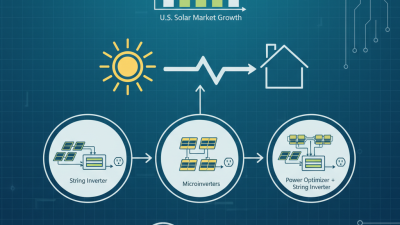
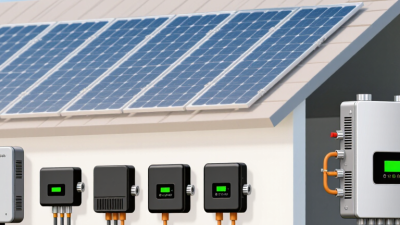
A string inverter connects several panels in one group. It is often a practical fit for an unshaded roof with panels facing the same direction. But if a chimney shades one panel, the group’s output may fall. That matters. Microinverters sit beneath individual panels, allowing each to operate more independently. They can suit roofs with varied angles or intermittent shade, though they add equipment across the roof. More components can mean more points to inspect; that trade-off is easy to overlook.
Hybrid inverters can manage solar power, household use, and a connected battery. They may simplify a later storage upgrade, but compatibility and system sizing still need careful checking. Some installations use power optimizers with a string inverter. Optimizers adjust panel-level output, but they do not convert electricity themselves.
There is no universally best option. A clear roof may favor a simpler setup, while a complicated roof can make panel-level control worthwhile. Actual shade patterns, service access, and household energy use should guide the choice.