Why Do Solar Panels Need a Power Inverter?
Solar panels produce direct-current electricity, but most household appliances use alternating current. That small difference explains why a power inverter for solar panels is essential. Without one, the electricity flowing from the modules cannot directly run a refrigerator, charge many home batteries, or supply a typical household circuit.
A useful principle reflected in solar engineer Bill Brooks’s work is that an inverter does more than change current; it helps manage how a solar system operates. The device converts the panels’ DC output into AC power and continually adjusts its operation as sunlight changes. On a clear afternoon, it may handle strong output. Under passing clouds, production can shift within minutes. Some inverters also monitor performance and report faults, giving owners a clearer view of the system. Small details matter.
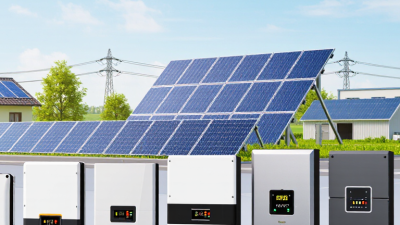
The exact inverter depends on the installation. String inverters serve groups of panels, while microinverters work at individual modules. Hybrid models can coordinate solar generation with battery storage. Each choice involves trade-offs, including cost, system design, and future expansion. An inverter is not magic, and it cannot create energy the panels did not capture. Still, it turns panel output into electricity a home can use. This guide explains why that conversion matters, how inverters work, and what to consider when choosing one.
How Solar Panels Produce Direct Current
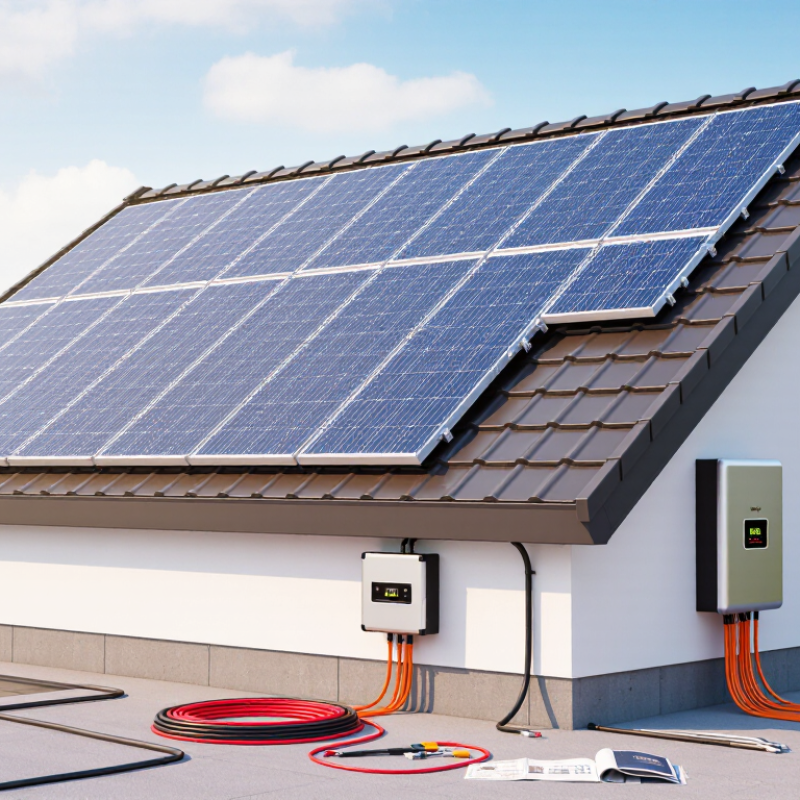
Sunlight does not reach a solar panel as ready-to-use household electricity. Photovoltaic cells absorb light, freeing electrons in semiconductor layers and creating a one-way flow of charge. That is direct current (DC). Cells connect into modules, and modules into strings, carrying DC toward the inverter. Output shifts with sunlight, temperature, and shade; a narrow shadow from a vent can affect a string’s production. NREL’s PVWatts documentation uses 96% as a default inverter-efficiency assumption. It is a modeling reference, not a guarantee for every system. The inverter changes DC into alternating current (AC), the form commonly used by household appliances and the grid.
Tips: Compare inverter efficiency ratings and ask how the design handles partial shade. Check production across the whole day, not just during one bright afternoon.
Conversion is not lossless: some energy becomes heat, and wiring adds small losses. Many inverters also track the panels’ maximum power point as conditions change. I find this part easy to overlook: panels make the power, but their DC output is not directly suited to most home circuits. A little shade can matter more than expected.
Why Do Solar Panels Need a Power Inverter?
Solar panels produce direct current (DC), which flows in one direction. An inverter converts it into alternating current (AC), which changes direction periodically and is used by most household appliances.
Illustrative comparison: a solar panel operating at 40 V DC and an inverter producing 120 V RMS AC at 60 Hz. Actual panel voltage and inverter output vary by system and operating conditions.
Why Homes and Power Grids Use Alternating Current
Solar panels produce direct current (DC), while household wiring and public grids use alternating current (AC). A power inverter changes the panels’ one-way flow into AC that matches the grid’s voltage and frequency. That match matters: refrigerators, lights, and grid-connected equipment are designed around the AC supply. A mismatch can prevent safe, useful power delivery.
AC is also practical for moving electricity over long distances. Transformers can raise voltage for transmission and lower it near homes, helping limit current and resistive losses. The U.S. Energy Information Administration estimates that transmission and distribution losses average about 5% of electricity delivered in the United States. This figure covers the whole delivery system; it is not loss caused by solar inverters alone. The explanation is practical, not perfect: conversion adds equipment and some energy loss.
Tips: Check that the inverter suits your panel system and local grid frequency. Ask an installer how its efficiency is measured; one headline number may not reflect performance in every condition. A warm inverter humming beside a garage wall is doing an essential job, but it still needs suitable ventilation and regular inspection.
How an Inverter Converts Solar Power into Usable Electricity
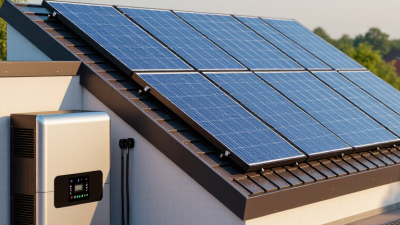
Solar panels produce direct-current (DC) electricity, while most household appliances use alternating current (AC). An inverter converts the panels’ output into AC power and helps match it to the electrical system. Its maximum power point tracking adjusts panel operation as sunlight and temperature change. A cloud crossing the roof can shift production within minutes. The conversion is essential, not cosmetic.
NREL’s PVWatts Version 5 documentation uses 96% as its default inverter-efficiency assumption. That figure is for modeling, not a guarantee for every installation. At 96% efficiency, 1,000 watts of DC input becomes about 960 watts of AC output, before other system losses. Small losses add up. Inverters may also monitor performance and provide protective shutdown functions, depending on the system.
Tips: Keep the inverter’s air vents clear and check its display or monitoring data for unusual output changes. Compare readings under similar sunlight conditions; one cloudy afternoon is not a diagnosis. Even so, a warning light deserves attention.
How Inverters Synchronize Solar Systems with the Electrical Grid
Why Do Solar Panels Need a Power Inverter?
How Inverters Synchronize Solar Systems with the Electrical Grid
Solar panels produce direct current, while household circuits and the electrical grid use alternating current. An inverter converts that energy into usable electricity. It also manages how power flows between the solar array, home, and grid. Without it, panel output cannot directly serve most standard appliances.
Grid-connected inverters do more than change current. They monitor the grid’s voltage, frequency, and electrical phase, then adjust their output to match. This keeps solar power flowing in step with the grid rather than pushing against it. The process happens continually, even as sunlight and household demand change. If the grid fails, many inverters stop exporting power to help protect utility workers. That safety response matters. Synchronization can sound like a simple setting, but real grid conditions fluctuate, and system design deserves careful attention.
Tips: Ask a qualified installer how your inverter handles grid interruptions and changing loads. Keep its vents clear, and check the system’s monitoring for unusual drops in output. A little shade or dust can affect generation, too.
How Inverter Types Affect Solar System Design
Why Do Solar Panels Need a Power Inverter?
How Inverter Types Affect Solar System Design
Solar panels produce direct current, but most homes use alternating current. A power inverter converts the panels’ output into electricity household circuits can use. It also helps match system output to the home’s electrical needs. The inverter is not just a box on the wall; its type can shape the whole layout.
A string inverter connects several panels to one central unit. This can suit a roof with consistent sunlight and a simple panel arrangement. But shade from a chimney on one panel may reduce output across its string. Microinverters work at individual panels, so one shaded module has less effect on the others. They can also make panel-level monitoring easier, though they often add equipment and upfront cost. Power optimizers sit between panels and a central inverter, offering module-level adjustments while retaining a central conversion point. Roof shape, shade patterns, system size, and access for maintenance all matter. A design that looks tidy on paper may be awkward to service later.
Tips: Note which roof areas get shade, even briefly. Ask how the proposed inverter handles partial shading and future panel changes. Check that its capacity suits the array; oversizing or undersizing can affect performance. Exact needs vary.