China has become a major manufacturing base for renewable energy equipment, including specialized solar river inverter systems. This guide introduces ten Chinese suppliers serving floating, riverside, and water-based photovoltaic projects. It focuses on practical performance, not promotional rankings alone.
Each supplier will be reviewed through clear technical and commercial criteria. These include conversion efficiency, maximum power point tracking, protection ratings, cooling design, monitoring functions, and grid compatibility. Certifications, warranty terms, spare-parts availability, and technical support also deserve close attention. Details matter. A well-designed inverter should remain stable beside humidity, dust, temperature changes, and fluctuating water conditions. Field experience often reveals more than a polished product brochure.
The list should be treated as a research starting point, rather than a permanent judgment. Supplier capabilities, product generations, and export records can change quickly. Some public specifications may also lack independent verification. That limitation deserves honest attention. Buyers should request test reports, installation references, and local compliance documents before making a final decision. Comparing actual operating data from similar river or floating solar projects can expose differences in reliability, service response, and long-term maintenance costs. This approach supports a more balanced evaluation of China’s top solar river inverter suppliers, while recognizing that the best choice depends on project size, climate, grid requirements, and available technical expertise.
China Top 10 Solar River Inverter Suppliers?
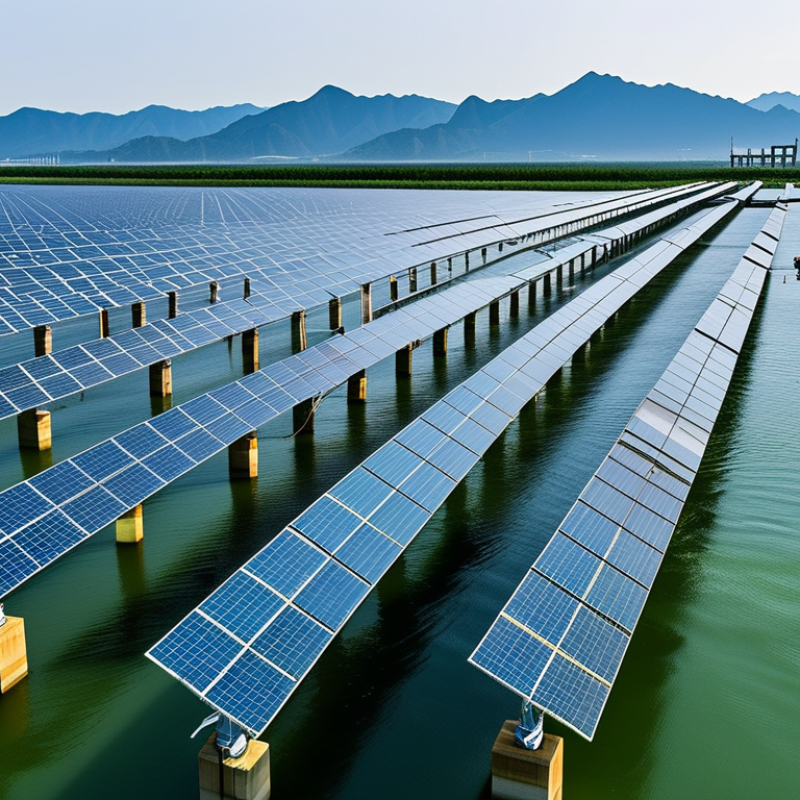
Solar river inverters convert direct current from floating solar panels into usable alternating current. In China, they support projects on reservoirs, canals, and selected calm waterways. Their role is more demanding than a standard rooftop installation. Water increases humidity, while wind, spray, and changing temperatures challenge electrical equipment.
A reliable inverter needs strong moisture protection, corrosion-resistant materials, and stable cooling performance. Engineers should check its IP rating, insulation design, maximum power-point tracking, and grid-compliance functions. Remote monitoring also matters. A technician cannot easily walk across floating platforms after every alarm. Clear data can reveal overheating, insulation faults, or unexpected output loss before repairs become expensive.
Supplier selection should include factory quality records, testing procedures, spare-parts access, and local service capability. Certification alone is not enough. Field performance matters more. During project reviews, teams should compare efficiency at partial load, communication stability, and shutdown behavior during grid disturbances. River environments are not identical, so one design may fail in another location. That point is often underestimated.
Some projects may also require compact units to reduce platform weight and cable distance. Yet smaller equipment is not automatically better. Maintenance space can become too limited. Engineers must balance cost, safety, access, and long-term reliability. A careful supplier shortlist should therefore examine real operating data, installation conditions, and service response, rather than relying only on promotional specifications.
The chart compares representative maximum conversion-efficiency ranges commonly specified for utility-scale solar inverter categories used in China. Higher efficiency reduces energy losses, while centralized and modular designs can simplify power collection for large floating or river-based PV projects. Actual specifications vary by project, voltage class, temperature, and grid-code requirements.
Reference basis: IEC 62109 safety principles, IEC 61727 grid-interconnection practice, and typical utility-scale PV inverter specifications published for the Chinese market. Values are technology-category benchmarks, not supplier rankings.
Evaluating China’s solar river inverter suppliers requires more than comparing prices. A credible supplier should show documented field experience with floating or riverside solar projects. Ask for operating records from humid, windy, and dusty locations. Examine inverter efficiency, maximum power point tracking, overload tolerance, and cooling performance. A clear datasheet matters.
Environmental protection is equally important. Check the enclosure rating, corrosion resistance, insulation monitoring, and resistance to sudden temperature changes. River projects often face moisture, algae, splash water, and difficult maintenance access. Suppliers should provide independent test reports and grid-compliance certificates for the target market. Do not accept vague claims. Verify certificate numbers and testing laboratories.
Reliability also depends on service. Review warranty conditions, spare-parts availability, remote monitoring, and response times. Ask how technicians handle faults when equipment sits far from roads. A supplier with detailed failure records appears more trustworthy than one showing only impressive efficiency figures. I would also compare factory quality controls, sample testing, and production traceability. No scorecard is perfect. Site conditions can expose weaknesses that laboratory tests miss. Even a small communication delay may increase downtime during heavy rain. That practical risk deserves a place beside every technical rating.
China’s Top 10 Solar River Inverter Suppliers serve a growing market for floating photovoltaic projects on reservoirs, canals, and calm river sections. These suppliers usually provide grid-tied inverters, monitoring systems, and commissioning support.
A fixed ranking can be misleading. Product quality changes with project size, climate, and local grid rules.
Experienced buyers inspect more than rated efficiency. They check MPPT performance under moving shadows, salt mist resistance, IP protection, and cooling stability during humid summers. River installations face vibration, moisture, algae, and difficult maintenance access. A reliable inverter should support remote alarms, insulation monitoring, and fast fault diagnosis. Clear wiring labels matter too.
Field engineers often test communication signals from the floating platform to the shore station. Cable length can weaken data quality. Poor grounding can create repeated trips. Suppliers with proven installation records usually provide better layout drawings and spare-parts planning. Still, some project claims deserve careful review. Laboratory efficiency may not reflect performance beside muddy water and changing reflections. Buyers should request verified test reports, local service response times, and references from similar floating sites. The cheapest quotation may hide higher replacement and transport costs. Small details decide uptime.
Choosing among China’s top ten solar river inverter suppliers requires more than reading output ratings. River projects face humidity, spray, corrosion, vibration, and unstable access. I look for wide MPPT voltage ranges, low night-time consumption, strong surge protection, and sealed cabinets with suitable IP ratings. Thermal performance matters too. A quiet inverter is useful near floating platforms, but internal cooling still needs inspection.
Certifications should match the project location and grid code. Check test reports for IEC 62109, IEC 62477-1, IEC 61000, and relevant national requirements. ISO 9001 can support manufacturing consistency, but it does not prove every unit will perform well. Ask for serial-number traceability, factory inspection records, and environmental test results. Paper compliance is not enough.
Service often separates a reliable supplier from an attractive quotation. Confirm remote monitoring, firmware control, spare-part availability, and response times in writing. A practical supplier should provide installation guidance, commissioning support, fault analysis, and training for local technicians. Ask how quickly replacement fans or control boards can arrive. This detail is easy to miss.
I have learned that impressive efficiency figures can hide weak field support. Some technical sheets also omit performance during high humidity or frequent grid disturbances. Request operating data from similar river or floating projects, then verify it independently. One weakness remains: supplier comparisons rarely show long-term corrosion behavior. That uncertainty deserves a site-specific inspection before purchase.
Choosing among China’s top 10 solar river inverter suppliers requires more than comparing price. River projects face humidity, spray, vibration, and difficult maintenance access. Ask each supplier for tested efficiency curves at partial load, high temperatures, and unstable grid conditions. Short brochures are not enough. Request factory records, quality procedures, and independent test reports for relevant IEC safety and grid-connection standards. Verify whether documents match the exact inverter model. This small check can expose outdated claims.
A practical supplier review should examine field experience with floating or riverside solar plants. Ask for anonymized project data, failure rates, replacement times, and technician coverage near your site. Check enclosure ratings, corrosion protection, remote monitoring, surge protection, and cooling design. The supplier should explain how firmware updates are controlled and how faults are logged. A low price may hide expensive river access, spare-parts delays, or limited commissioning support. Compare the full lifecycle cost, not only the purchase quotation.
Before signing, hold a technical clarification meeting with the supplier’s engineer, not only a salesperson. Confirm delivery milestones, acceptance tests, warranty exclusions, training, and response times in writing. Include sample alarms and shutdown procedures. A pilot installation can reveal noise, condensation, or communication problems early. It is tempting to rank suppliers by capacity and export volume. That method is incomplete. A smaller supplier with transparent data and responsive service may fit better. Still, public claims need verification through references, audits, and contract evidence. Leave room for review; river conditions can differ sharply between seasons.
| Rank | Anonymous Supplier Profile | Primary Product Focus | Typical Power Range | Maximum Efficiency | Protection Rating | Grid & Safety Compliance | Standard Warranty | Typical Lead Time | Technical Support | Best Project Fit | Selection Score |
|---|---|---|---|---|---|---|---|---|---|---|---|
| 1 | Supplier Profile A Established mass-production manufacturer |
Utility-scale string invertersCentral inverters | 50 kW–6.25 MW | Up to 99.0% | IP65–IP66 | IEC 62109, IEC 62116, IEC 61727; regional grid-code options | 5 years standard; extension available | 6–12 weeks | Regional service teams and remote monitoring support | Large commercial and utility projects | 9.4/10 |
| 2 | Supplier Profile B High-volume export-oriented manufacturer |
Residential hybrid invertersCommercial string inverters | 3 kW–350 kW | Up to 98.8% | IP65 | IEC 62109, IEC 62116, IEC 61727; CE and local certifications | 5 years standard; optional 10-year coverage | 4–10 weeks | Online commissioning, firmware updates, and distributor training | Residential, rooftop, and small commercial systems | 9.2/10 |
| 3 | Supplier Profile C Specialist in high-power photovoltaic conversion |
Central invertersMedium-voltage stations | 500 kW–6.8 MW | Up to 99.0% | IP54–IP65 | IEC 62109, IEC 62477, IEC 61727; utility interconnection support | 2–5 years standard; project-specific extensions | 8–16 weeks | Pre-sales engineering and on-site commissioning options | Utility-scale solar farms and floating solar plants | 9.0/10 |
| 4 | Supplier Profile D Flexible OEM and private-label producer |
String invertersOEM solutions | 5 kW–250 kW | Up to 98.6% | IP65 | IEC 62109, IEC 62116, IEC 61727; configurable market approvals | 3 years standard; negotiable extension | 5–10 weeks | Custom firmware, labeling, and application engineering | Distributors and private-label solar solutions | 8.8/10 |
| 5 | Supplier Profile E Commercial and industrial project specialist |
Three-phase string invertersEnergy storage inverters | 10 kW–500 kW | Up to 98.7% | IP65–IP66 | IEC 62109, IEC 62116, IEC 61727; anti-islanding protection | 5 years standard | 4–8 weeks | System sizing, monitoring setup, and troubleshooting assistance | Factories, warehouses, farms, and commercial rooftops | 8.7/10 |
| 6 | Supplier Profile F Compact inverter and storage-system manufacturer |
Hybrid invertersBattery-coupled systems | 3 kW–100 kW | Up to 98.5% | IP65 | IEC 62109, IEC 62116, EMC requirements, regional grid standards | 5 years standard; battery integration options | 3–8 weeks | Mobile commissioning tools and remote diagnostics | Backup power, off-grid, and hybrid solar projects | 8.5/10 |
| 7 | Supplier Profile G Cost-competitive mid-market manufacturer |
Residential string invertersSmall commercial systems | 3 kW–125 kW | Up to 98.4% | IP65 | IEC 62109, IEC 62116, IEC 61727; CE-based export documentation | 3–5 years standard | 4–9 weeks | Distributor-led support with online documentation | Price-sensitive rooftop installations | 8.2/10 |
| 8 | Supplier Profile H Outdoor and harsh-environment application specialist |
High-protection string invertersFloating solar applications | 20 kW–320 kW | Up to 98.6% | IP66; corrosion-resistant options | IEC 62109, IEC 61727, IEC 60068 environmental testing options | 5 years standard | 6–12 weeks | Environmental design review and installation guidance | Coastal, humid, dusty, and floating solar projects | 8.1/10 |
| 9 | Supplier Profile I Small-batch customized inverter supplier |
Special-purpose invertersMicrogrid systems | 10 kW–1 MW | Up to 98.3% | IP54–IP65 | IEC 62109 and project-specific grid-code testing | 2–5 years, depending on project scope | 8–16 weeks | Application-specific engineering and integration support | Microgrids, research projects, and customized installations | 7.9/10 |
| 10 | Supplier Profile J Entry-level export and replacement-market supplier |
Single-phase invertersThree-phase string inverters | 1 kW–100 kW | Up to 98.2% | IP65 | IEC 62109, IEC 62116, IEC 61727; market-dependent approvals | 3 years standard | 4–10 weeks | Email-based technical support and spare-parts service | Small rooftops, replacement units, and pilot projects | 7.7/10 |