How to Choose the Right Solar Panels and Inverters for Your Needs?
Selecting the appropriate solar panels and inverters for your home can be daunting. With numerous options available, it's essential to understand your specific needs. Solar panels and inverters are key components of any solar energy system. Choosing the right ones can significantly impact efficiency and savings.
When considering solar panels and inverters, think about your energy consumption. Assess your electricity bills and evaluate your home's energy needs. Different solar panels come with different power outputs. Not all types may suit your usage habits. Researching various models helps you find the best fit.
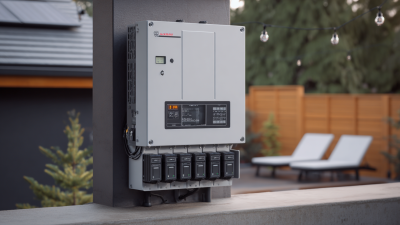
Inverters are equally vital. They convert the direct current from solar panels into usable alternating current. Understanding inverter types, such as string or microinverters, is essential. A common mistake is underestimating the importance of quality inverters. Investing in reliable brands may lead to better long-term performance. This selection process requires careful thought and a willingness to adapt.
Understanding Your Energy Needs and Usage Patterns
Understanding your energy needs and usage patterns is crucial when selecting solar panels and inverters.
Analyze your monthly energy bills to identify peak usage times and overall consumption.
According to the U.S. Energy Information Administration, the average American household uses about 877 kWh per month.
Knowing your average usage helps tailor your solar system.
Tips: Assess your long-term energy consumption. Will your usage increase due to new appliances? Plan accordingly.
Consider your roof's characteristics as well. Factors such as orientation, shading, and available space impact solar panel efficiency.
Data from the National Renewable Energy Laboratory shows optimal panel performance requires at least 20 square feet per panel in well-lit areas.
Make sure to factor these details into your decision.
Tips: Shade from trees can reduce efficiency. Evaluate your roof's sun exposure across seasons.
Lastly, look at inverter types. String inverters are common, but microinverters enhance efficiency, especially in shaded conditions.
Understanding your energy setup is essential for making informed choices.
Remember, the aim is to maximize energy production while meeting your unique requirements.
Comparing Different Types of Solar Panels Available on the Market
When considering solar panels, it's essential to evaluate the different types available on the market. Monocrystalline, polycrystalline, and thin-film panels each have unique features. Monocrystalline panels tend to be more efficient, converting up to 22% of sunlight into usable energy. However, they can be more expensive to install. Polycrystalline panels offer a more budget-friendly option, with efficiency levels around 15-20%. They have a shorter lifespan, but still, provide a reasonable return on investment.
Thin-film panels, while less common, are known for their flexibility and lightweight nature. Their efficiency ranges from 10-12%, which may be suitable for specific applications or smaller installations. According to the U.S. Department of Energy, as of 2023, the average efficiency of solar panels has increased by 30% over the past decade. This reflects the ongoing advancements in solar technology.
Choosing the right panel type depends on your energy needs, budget, and available space. It's crucial to reflect on factors like installation area and local climate. Some users may experience issues with shading or dirt accumulation affecting efficiency. Reports suggest that regular maintenance can mitigate these concerns, but not all homeowners are willing to invest time in upkeep. Understanding these nuances is key to making an informed decision with lasting benefits.
Evaluating Inverter Options: Types and Key Features
Choosing the right inverter is crucial for optimizing solar energy systems. Inverters play a key role in converting direct current (DC) produced by solar panels into alternating current (AC) used in homes. Understanding different inverter types is essential. The main options are string inverters, microinverters, and power optimizers. Each has unique benefits and challenges.
String inverters are often the most cost-effective. They work well for simple configurations. However, they can face efficiency issues due to shading. Microinverters offer more flexibility and enhanced performance in partial shade. They allow each panel to operate independently. According to a 2022 report by the National Renewable Energy Laboratory, microinverters can increase energy production by up to 20%.
Power optimizers sit between string and microinverters. They boost the performance of individual panels while still using a string inverter. They provide better monitoring options than traditional systems. As per industry research, about 30% of solar system owners reported issues with energy loss due to inverter inefficiencies. Evaluating these features helps ensure that your choice aligns with your specific energy needs. Careful consideration can lead to practical solutions, avoiding costly mistakes in installation and performance.
Assessing Your Roof's Suitability for Solar Installation
When considering solar installation, assessing your roof's suitability is crucial. Start by examining the roof’s orientation. South-facing roofs capture more sunlight, making them ideal for solar panels. However, east and west-facing roofs can also be effective, though potentially less efficient.
Next, evaluate the pitch of your roof. A gentle slope can enhance solar exposure, while a steep slope may complicate installation. Check for any shading from trees or neighboring buildings. Shade can significantly reduce panel efficiency. Additionally, consider the roof's material; some types support solar panels better than others.
After these assessments, think about your long-term plans. Will you expand your home? Could nearby trees grow taller? These factors may affect your solar investment. A thorough examination today might reveal aspects you hadn't considered. Don't rush this process; take the time to reflect on your unique situation.
How to Choose the Right Solar Panels and Inverters for Your Needs? - Assessing Your Roof's Suitability for Solar Installation
| Criteria |
Description |
Importance |
Recommended Value |
| Roof Size |
Total area available for solar panel installation |
High |
At least 200 sq. ft. |
| Roof Orientation |
Direction the roof faces (south is ideal) |
Medium |
South or west facing |
| Roof Angle |
The slope of the roof in degrees |
Medium |
15 to 40 degrees |
| Shading |
Obstructions that cause shadow on panels |
High |
Minimal shading |
| Inverter Type |
Central, string, or micro-inverters |
High |
Micro-inverters for optimal performance |
| Panel Efficiency |
Percentage of sunlight converted to electricity |
High |
Over 18% efficiency |
Calculating Cost, Warranty, and Lifespan for Your Solar System
When considering solar panels and inverters, cost, warranty, and lifespan are crucial factors. According to the National Renewable Energy Laboratory, high-quality solar panels can cost between $3 and $4 per watt. This means a typical 6 kW system may range from $18,000 to $24,000. Additional expenses could come from installation and permitting, potentially pushing the total to around $30,000. Understanding these costs upfront helps in budgeting effectively.
Warranties play a significant role in your investment. Most solar panels come with a performance warranty of 25 years. This means they should still produce around 80% of their original capacity by the end of this period. Inverters typically have shorter warranties, often around 10 to 12 years. Some newer models have extended warranties. Reviewing these guarantees is essential, as they dictate potential future expenses.
Lifespan is another aspect to consider. Solar panels usually last 25 to 30 years. However, system performance may degrade slowly over time. Reports indicate that panels can lose about 0.5% to 1% of efficiency yearly. Understanding efficiency loss can influence your long-term savings and performance expectations. It's worth contemplating if the initial investment aligns with your future energy needs.
Cost and Lifespan Comparison of Solar Panels and Inverters