How to Choose the Best Micro Inverter Solar System?
Choosing the best micro inverter solar system begins with your roof, not a product brochure. Roof direction, shading, panel layout, local weather, and household electricity use all affect the decision. A system that performs well on a clear south-facing roof may struggle on a shaded, irregular roof. Real conditions matter.
Raghu Belur, co-founder of Enphase Energy, has emphasized, “The future of energy is distributed.” His view reflects a key microinverter advantage: each panel operates independently. If one panel is shaded or underperforms, the others can continue producing energy. This design may also improve monitoring, installation flexibility, and long-term troubleshooting. However, no system is perfect. Microinverters can cost more initially, and rooftop access may complicate future servicing.
A reliable choice requires more than comparing advertised efficiency. Examine inverter warranty terms, temperature ratings, monitoring features, installer experience, and compatibility with your panels and battery plans. Ask for realistic annual production estimates, not optimistic sales figures. Check how the system handles partial shading during winter mornings or late afternoons. Small details matter.
The best answer depends on your property.
This guide will explain how to compare micro inverter solar system options with practical criteria. It will also identify common purchasing mistakes, including ignoring service support or underestimating installation quality. Expert specifications are useful, but measured site data is stronger. Your final decision should balance performance, safety, cost, and dependable support over many years.
Understanding How a Micro Inverter Solar System Works
How to Choose the Best Micro Inverter Solar System?
Understanding How a Micro Inverter Solar System Works
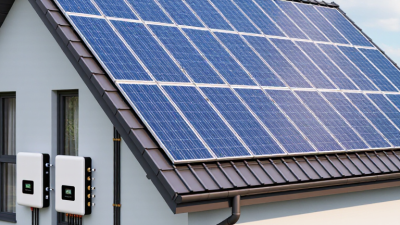
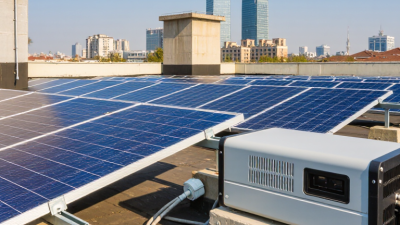
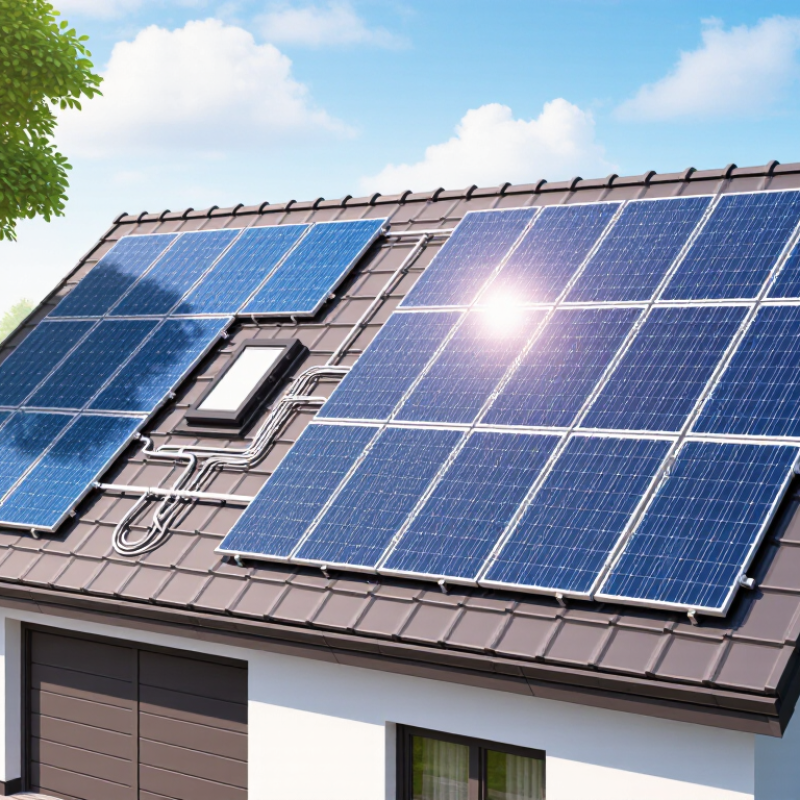
A micro inverter solar system places one small inverter beneath each solar module. The module produces direct current, or DC. Its micro inverter converts that electricity into alternating current, or AC, for household circuits. This happens at panel level, not through one central inverter. It matters when one panel faces morning shade or collects dust. Other panels can continue producing power.
The IEA PVPS Trends 2024 report states that global solar capacity exceeded 1.6 terawatts by the end of 2023. More rooftops now include complex angles, dormers, and partial shading. Micro inverters can manage these differences more precisely. They also provide module-level monitoring. A homeowner may see one underperforming panel instead of guessing from a single system reading.
Safety still requires careful design. The U.S. Department of Energy explains that module-level power electronics can reduce high-voltage DC wiring across a rooftop. However, lower rooftop DC voltage does not remove every electrical risk. Qualified installation and local code compliance remain essential. The best system should match the roof layout, expected shade, service access, and future expansion plans. A simple roof may not need the highest-cost option. That is easy to overlook. Real performance also depends on temperature, wiring, dirt, and installation quality. IEA PVPS data shows strong market growth, but growth alone does not guarantee a suitable design. Ask for measured production assumptions, not optimistic promises.
Assessing Your Home’s Energy Needs and Solar System Size
How to Choose the Best Micro Inverter Solar System?
Assessing Your Home’s Energy Needs and Solar System Size
Choosing a micro inverter solar system starts with your household’s actual electricity use. Review twelve months of utility bills, not just one recent statement. Note seasonal changes, especially air-conditioning, heating, pumps, and electric vehicle charging. Your highest monthly usage may define the required system size.
List major appliances and record their wattage and operating hours. A qualified installer can convert this information into daily kilowatt-hour demand and estimate future consumption. Leave practical headroom for new appliances, but avoid paying for excessive capacity. In my experience, homeowners often underestimate evening usage. My first estimate was too optimistic, because standby loads quietly continued overnight.
Microinverters work at each panel, so roof direction, shading, and panel-level performance deserve careful review. Ask for a design showing annual production, expected losses, and monitoring details. Local solar regulations and professional electrical standards should guide the final installation. Production estimates are not guarantees. Weather changes them.
Tips: Compare your daytime demand with expected solar production. Check whether battery storage is necessary for evening loads. Request clear assumptions in writing. Recheck the design after one year of utility data. Small errors matter.
How to Choose the Best Micro Inverter Solar System? - Assessing Your Home’s Energy Needs and Solar System Size
| Household Profile |
Average Monthly Electricity Use |
Approximate Daily Use |
Suggested Solar Array Size |
Typical Panel Quantity |
Recommended Microinverter Capacity |
Suitable Home Situation |
| Low Consumption |
250–400 kWh |
8–13 kWh |
2.5–4.0 kW DC |
6–10 panels |
2.0–3.6 kW AC total |
Small home, apartment, or limited roof area |
| Average Consumption |
400–700 kWh |
13–23 kWh |
4.0–7.0 kW DC |
10–18 panels |
3.2–6.3 kW AC total |
Typical family home with standard appliances |
| High Consumption |
700–1,000 kWh |
23–33 kWh |
7.0–10.0 kW DC |
18–25 panels |
5.6–9.0 kW AC total |
Large household, electric heating, or high appliance use |
| Very High Consumption |
1,000–1,500 kWh |
33–50 kWh |
10.0–15.0 kW DC |
25–38 panels |
8.0–13.5 kW AC total |
Large home with multiple electric loads or an electric vehicle |
Planning Assumptions and Selection Checks
- Estimated annual solar production uses approximately 1,100–1,500 kWh per installed kW per year, depending on location, shading, roof orientation, tilt, and system losses.
- Panel quantity is estimated using 400 W panels. Actual panel wattage may vary, so the array should be recalculated using the selected module’s rated output.
- Microinverter AC capacity should be compatible with the panel’s maximum power, operating voltage, current, and local electrical requirements.
- A moderate DC-to-AC ratio of approximately 1.10–1.30 can improve annual energy production, but the permitted ratio depends on the microinverter specifications and installation conditions.
- Review at least 12 months of electricity bills and account for planned loads such as heat pumps, air conditioning, water heating, and electric vehicle charging.
- Professional design should verify roof structure, circuit capacity, rapid-shutdown requirements, utility interconnection rules, and local permits before installation.
Evaluating Monitoring, Safety, Installation, and Maintenance Options
Choosing a microinverter solar system starts with evidence, not a glossy dashboard. During site assessments, I check whether monitoring reports each panel’s output, voltage, and daily history. Panel-level data can reveal shading, loose connections, or gradual performance loss. Alerts should identify the affected unit and explain urgency in plain language. Some apps display numbers without context. That can delay action. Ask who stores the data, how long it remains available, and whether access still works after installation support ends.
Safety deserves a physical inspection. Microinverters sit beneath panels, where heat, moisture, and dust accumulate. Look for weather-resistant housings, secure cable management, and accessible emergency shutoff equipment. A qualified electrician should verify grounding, circuit protection, and local electrical requirements. Never treat an app’s “system healthy” message as proof of safe wiring. It is only one signal. I would also request installation photographs, torque records, and commissioning results. These details make later troubleshooting less dependent on memory.
Installation quality affects maintenance more than advertised efficiency. Leave enough working clearance and label every circuit clearly. A technician should be able to replace one unit without disturbing neighboring panels. Ask about warranty procedures, labor coverage, and replacement timelines before signing. Routine care may include visual checks, connector inspection, and reviewing unusual output changes after storms. Do not pressure-wash equipment. I have seen owners overlook small cable damage because production still looked normal. That assumption is risky. A second inspection after the first month can expose loose fittings, confusing labels, or monitoring gaps while corrections remain simple.
How to Choose the Best Micro Inverter Solar System?
Evaluating monitoring, safety, installation, and maintenance options
The chart uses a practical five-point evaluation scale based on common micro inverter system characteristics. Module-level monitoring and rapid-shutdown support generally provide the strongest visibility and safety benefits, while installation simplicity and long-term maintenance depend on system design, rooftop access, installer quality, and replacement procedures.
Choosing the Best System for Cost, Reliability, and Long-Term Value
How to Choose the Best Micro Inverter Solar System?
Choosing the Best System for Cost, Reliability, and Long-Term Value
A low purchase price can hide higher installation and maintenance costs. Compare the complete quote, including wiring, mounting equipment, monitoring, labor, and future service access. A micro inverter system may cost more initially, especially on complex roofs. However, panel-level conversion can reduce losses from shade and different roof angles. Ask for estimated annual production, not only the system’s peak capacity.
Look closely at reliability evidence. Check the inverter’s operating temperature range, weather protection rating, replacement process, and warranty conditions. A long warranty means little if labor, shipping, or removal costs are excluded. Request independent test documents and recent performance data from similar installations. An experienced, properly licensed installer should explain local electrical requirements in clear language. Vague answers deserve caution.
Small details matter. Inspect the monitoring platform before signing. Can it show production from each panel? Will alerts arrive quickly? Also, confirm that failed units can be replaced without removing multiple panels. I have found that easy access often saves more money than a slightly cheaper component. Still, predictions are not guarantees. Dust, winter shading, unusual heat, and installation mistakes can reduce output. Leave room for uncertainty, and compare realistic estimates with conservative assumptions. A careful site assessment should record roof direction, shade movement, cable routes, and expected maintenance needs.