Why Choose a Portable Solar Inverter?
Why choose a portable solar inverter when fixed solar systems already power many homes? The answer begins with flexibility. This compact device can convert solar energy into usable electricity at campsites, workshops, balconies, and emergency locations. It usually connects with portable panels, batteries, or both. The setup can move with you.
In practical use, weight, output capacity, and battery compatibility matter more than impressive marketing claims. A model weighing several kilograms may feel manageable in a vehicle but awkward on a long trail. Pure sine wave output can support sensitive equipment, such as laptops, medical devices, and small refrigeration units. However, users should check each appliance’s starting wattage. A refrigerator may need far more power during startup than its running label suggests. That detail is easy to miss.
A portable solar inverter also reduces dependence on wall outlets and fuel-powered generators. It operates quietly and produces no exhaust during use. That makes it useful indoors only when the product is specifically rated for indoor operation and ventilation requirements are followed. Safety remains essential. Choose certified equipment, inspect cables, protect connections from moisture, and avoid exceeding the rated load. Professional installers can help size the system for local sunlight and daily energy needs.
It is not a perfect answer.
Cloudy weather can reduce charging speed. Small units may disappoint when powering heating devices or power tools. Even experienced users sometimes underestimate those limits. A careful comparison should consider real workloads, charging time, warranty support, and long-term battery replacement costs. With realistic expectations, a portable solar inverter can become a practical, cleaner, and dependable source of backup power.
What Is a Portable Solar Inverter?
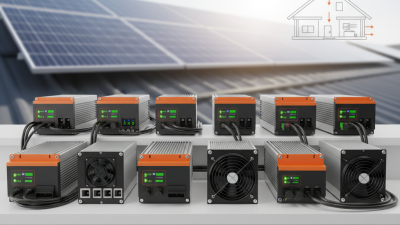
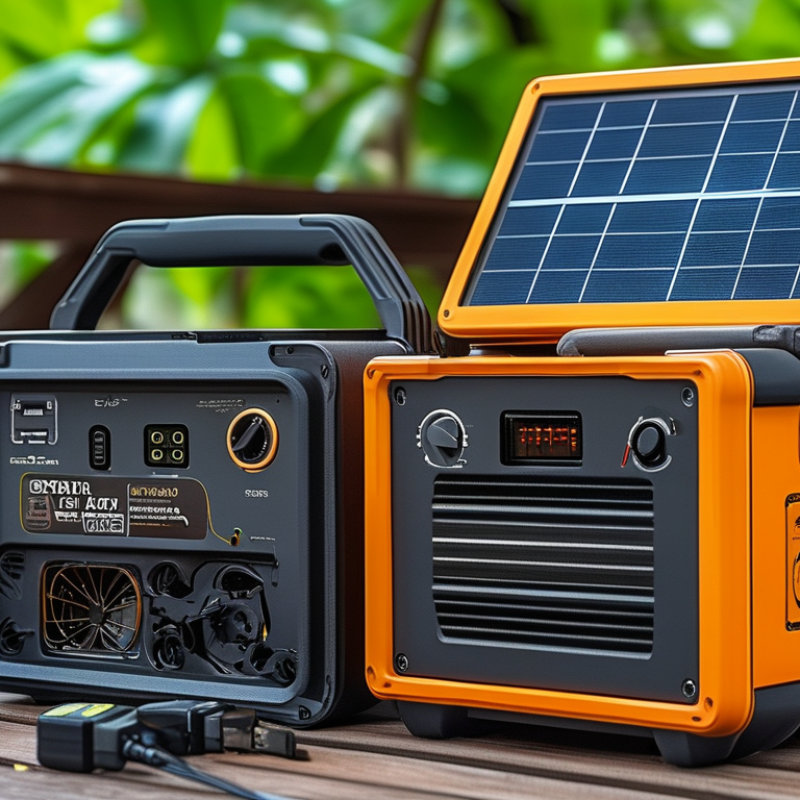
A portable solar inverter is a compact device that changes solar power from direct current into alternating current. This conversion lets you run ordinary household equipment, such as lamps, laptops, small fans, and medical charging devices. Many portable units also include a battery and a solar charge controller. Together, these parts store daytime energy for later use.
The inverter receives electricity from foldable panels or a built-in battery. It then supplies power through AC outlets, USB ports, or 12-volt connections. Some models produce a smooth pure sine wave, which is generally safer for sensitive electronics. Others may provide less stable output. Check the output type before connecting cameras, computers, or audio equipment.
I once assumed a higher wattage rating meant unlimited power. It does not. Starting loads from refrigerators or pumps can briefly exceed their running wattage. A quiet evening test with a lamp and phone charger can reveal useful limits. It can also expose a weak cable or loose connection.
Portable solar inverters are useful where grid power is unavailable, unreliable, or inconvenient. They avoid fuel storage and produce no exhaust during operation. However, cloudy weather reduces solar charging, and batteries lose capacity in extreme temperatures. Keep the unit dry, ventilated, and away from flammable materials. Read the rated voltage, continuous wattage, surge wattage, and battery capacity carefully before use.
Why Choose a Portable Solar Inverter?
A portable solar inverter converts stored DC power from a battery into standard AC power for everyday devices. The chart below compares typical appliance running power with common portable inverter output levels.
Lower-power devices such as LED lights and laptops can run from compact inverters, while refrigerators and microwave ovens generally require higher continuous output and additional surge capacity for startup.
Appliance wattages are typical running-power estimates; actual consumption varies by model. Refrigerators and other motor-driven appliances may require significantly higher starting power.
How Does a Portable Solar Inverter Work?
A portable solar inverter begins with direct current from solar panels or a battery. Solar panels produce DC, while household devices usually require alternating current. The inverter switches DC into a stable AC waveform, often a pure sine wave. Its MPPT controller adjusts voltage and current as sunlight changes. This helps capture more usable energy during cloudy periods or partial shade. DC first. The International Energy Agency’s Renewables 2024 report recorded more than 400 gigawatts of new solar capacity in 2023. That rapid growth reflects stronger demand for practical solar conversion equipment.
Inside the unit, sensors monitor temperature, voltage, frequency, and output load. Safety circuits can stop operation during overloads, overheating, or unstable connections. Some models charge an internal battery, then supply power after sunset. Others accept external batteries for longer operation. The California Energy Commission’s 2024 inverter database lists many certified units above 95% weighted efficiency, although portable products can perform differently. Real efficiency drops when cables are long, batteries are cold, or loads surge suddenly. A specification sheet can flatter reality.
When using one outdoors, keep the inverter dry, shaded, and well ventilated. Leave space around its air vents. A small fan may run under heavy loads. Heat still matters. Charging a laptop is simple, but starting a refrigerator requires a short burst of high power. Check both continuous and surge ratings before connecting equipment. My practical concern is often overlooked: users estimate panel output at noon, then expect the same energy at 5 p.m. Clouds, angle, dust, and conversion losses quietly reduce that figure.
What Benefits Does Portable Solar Power Provide?
Why Choose a Portable Solar Inverter?
Portable solar power provides electricity where fixed systems cannot easily reach. A compact inverter can convert panel energy into usable alternating current for lights, laptops, medical equipment, or communication devices. It also works with batteries, helping store daytime energy for evening use.
The numbers support this shift. The International Energy Agency reported about 420 gigawatts of new solar photovoltaic capacity worldwide in 2023. That represented roughly three quarters of all renewable power expansion. Portable systems remain much smaller, but they benefit from the same falling equipment costs. IRENA’s Renewable Power Generation Costs report found that utility-scale solar electricity costs dropped about 12% in 2023 compared with 2022.
Practical value appears during camping, field work, and short power interruptions. A portable inverter reduces dependence on fuel, produces no exhaust during operation, and starts quietly beside a tent or workshop table. Quiet power matters. Solar input also changes with clouds, shade, and panel angle. Battery charging adds conversion losses, too. These limitations are easy to overlook.
A careful user should check continuous wattage, surge capacity, battery chemistry, weather protection, and local electrical safety requirements. The U.S. Department of Energy notes that orientation, shading, and system design strongly influence photovoltaic output. Therefore, a small system may not run heating appliances reliably. It may, however, keep essential devices operating for several hours, especially when loads are managed thoughtfully.
How Can You Match an Inverter to Your Energy Needs?
Choosing a portable solar inverter begins with an honest energy inventory. List each device, its running watts, daily hours, and startup surge. A small lamp may use 10 watts, while a refrigerator can briefly demand several times more. Multiply watts by hours to estimate daily watt-hours. Add a 20–30% margin for conversion losses and unexpected use. Do not size from panel wattage alone. That shortcut often disappoints.
For phones, lights, and laptops, a compact inverter with a modest continuous rating may be enough. For pumps, compressors, or refrigerators, compare continuous and peak ratings carefully. The inverter’s output waveform also matters. Sensitive electronics generally work more predictably with pure sine wave output. Check voltage, frequency, socket type, and grounding requirements before purchase. A unit suited to one country’s supply may not fit another.
Battery capacity determines how long the system actually runs. Divide usable battery watt-hours by total device watt draw, then allow for temperature, aging, and inverter loss. Solar input should replenish demand during available daylight, not ideal laboratory sunshine. Read the installation manual and follow local electrical requirements. Real usage is messier than a spreadsheet. A cloudy afternoon, electric kettle, or forgotten charger can change the result. Measure your habits for a day or two, then size upward carefully instead of buying the largest unit automatically.