What is a Waterproof Micro Switch and How Does It Work?
In today’s world, reliable technology is essential. Many devices need components that can withstand harsh conditions. A Waterproof Micro Switch is one such component that ensures functionality despite moisture exposure. These switches are vital in various applications, including automotive systems, industrial machinery, and household appliances.
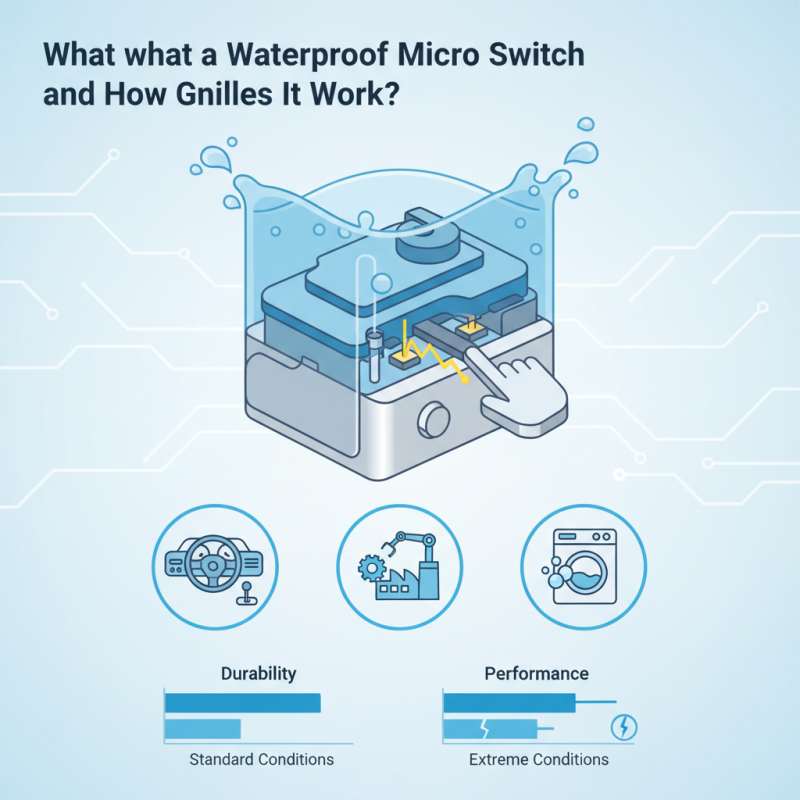
Understanding how a Waterproof Micro Switch works is crucial. This switch uses a sealed mechanism to prevent water ingress, ensuring durability. When pressed, it triggers an electrical signal, completing a circuit. Despite their robust design, challenges can arise. For instance, repeated exposure to extreme conditions may affect the switch's longevity and performance.
Overall, depth of knowledge about the Waterproof Micro Switch is important. Users must recognize its strengths and limitations. A switch might perform well but struggle under certain scenarios. Considering these factors helps in making informed decisions. Choosing the right components is critical for the longevity and reliability of any device.
What is a Waterproof Micro Switch?
A waterproof micro switch is an essential component in various electronic devices. These switches are specifically designed to withstand water exposure. They feature a protective enclosure that prevents moisture from interfering with their function. Many applications require reliability in wet environments.
Waterproof micro switches are commonly used in outdoor equipment, machinery, and household appliances. They operate by using a small mechanical lever or button. When triggered, the internal mechanisms create an electrical connection. The result is a reliable on/off function, even in challenging conditions.
It’s important to choose the correct waterproof rating. Not all switches perform equally well in every situation. Testing under real-use conditions can reveal weaknesses. Users might find that over time, even waterproof components can fail. This could lead to system malfunctions. Understanding these factors is key to ensuring long-lasting performance.
Key Features and Specifications of Waterproof Micro Switches
Waterproof micro switches are essential components in various industries. They are designed to operate in harsh environments, resisting moisture, dirt, and dust. These switches typically have IP ratings, such as IP67, indicating they can withstand being submerged in water for a short time.
Key features include compact size and high durability. Many waterproof micro switches can handle a current of 5A at 250V AC. Their lifespan often exceeds 1 million operations. These attributes make them ideal for applications like outdoor equipment, automotive, and household appliances.
Tips: Always check the IP rating of the micro switch for your specific needs. A higher rating means better protection against water. Consider the operating temperature as well; most switches perform well in a range from -40 to 85 °C.
It's noted that selecting the right waterproof micro switch can be challenging. Manufacturers often list various specifications. Users should be aware of their specific requirements. For instance, tension force during actuation can vary significantly. A mismatch may lead to failures in application performance. Always review user feedback and performance data when available.
Common Applications in Industries: Automation, Automotive, and More
Waterproof micro switches are essential in various industries. Their compact size and robust design allow for reliable operation in challenging environments. In automation, these switches enhance efficiency. They ensure that machinery operates correctly, even in wet conditions. This prevents downtime and boosts productivity.
In the automotive sector, waterproof micro switches have vital roles. They protect sensitive electronics from moisture. This is crucial for safety features, like airbags and electronic stability systems. However, challenges exist. Some switches may fail if not properly sealed. Regular maintenance is important to avoid issues.
Another application is in consumer electronics. Devices like cameras and portable speakers use these switches. They withstand exposure to water, ensuring durability. Yet, consumers sometimes overlook their importance. A single malfunction can lead to significant problems. Understanding these applications has real-world implications for design and safety.
How Waterproof Micro Switches Function: Internal Mechanisms Explained
Waterproof micro switches are essential in various industries. They are designed to withstand moisture and harsh environments. The internal mechanism is quite fascinating. These switches typically utilize a sealed construction, which prevents water ingress. This design often includes a diaphragm that moves in response to pressure changes, enabling reliable operation. Reports from the industry indicate that waterproof micro switches can have an IP rating of up to IP68, meaning they can be submerged in water.
One noteworthy aspect of these switches is their operating principles. When a user activates the switch, the internal contact points close the circuit. This action can trigger devices or systems efficiently. Many devices use these switches due to their durability. They are common in automotive applications, kitchen appliances, and outdoor equipment. Their ability to function in wet conditions is a game-changer.
Tip: If you are selecting a waterproof micro switch, consider the application environment. The correct IP rating is crucial. Choose a switch that meets or exceeds the needs of your specific industry.
It’s important to remember that not all waterproof switches are created equal. Misapplications can lead to failure. Be mindful of factors like temperature and pressure variations. Testing under real-world conditions is advisable. Understanding the limitations of these switches can inform better choices.
Waterproof Micro Switch Performance Metrics
This chart illustrates the performance metrics of waterproof micro switches across various parameters, showcasing their sealing efficiency, operating temperature range, durability in cycles, response time, and relative cost. The data presented provides insight into their functionality and suitability for diverse applications.
Industry Standards and Ratings for Waterproof Micro Switches
Waterproof micro switches are crucial components in many industries. They operate under various conditions, including exposure to water and dust. Adhering to industry standards is essential for performance and reliability. The Ingress Protection (IP) rating system is a key measure. It assesses how well a device can resist environmental elements.
For waterproof micro switches, an IP67 rating is common. This rating indicates the switch can be submerged in water up to 1 meter for 30 minutes without failure. In some cases, even higher ratings like IP68 exist, which offers protection against prolonged immersion. Data from industry reports suggests that waterproof micro switches with an IP68 rating are gaining traction in harsh environments. These switches are in growing demand in automotive and industrial applications.
Compliance with international standards, such as the IEC 61058, is also vital in ensuring quality. Products must pass rigorous testing to be certified. However, not all manufacturers ensure full compliance. Some may cut corners, affecting the switch's overall reliability. Consumers face challenges in distinguishing quality products. They must rely on transparent specifications and independent testing data for assurance. Awareness of these factors is important for optimal decision-making in choosing waterproof micro switches.
What is a Waterproof Micro Switch and How Does It Work?
| Feature | Description | Industry Standards | Water Resistance Rating |
| Operating Force | Typically ranges from 100g to 500g. | IEC 61000, MIL-STD-202 | IP67 (temporary immersion) |
| Contact Configuration | Single pole single throw (SPST) or double pole double throw (DPDT). | UL 61058-1 | IP65 (low pressure water jets) |
| Temperature Range | -40°C to +85°C. | ISO 9001 | IP68 (permanent immersion) |
| Lifespan | Typically 1 million cycles. | IEC 60529 | NEMA 6P (submersion) |
| Materials | Corrosion-resistant materials, such as stainless steel. | RoHS Compliant | IPX7 (waterproof for short duration) |