2025 Top Micro Inverter Solar Systems for Efficient Energy Conversion
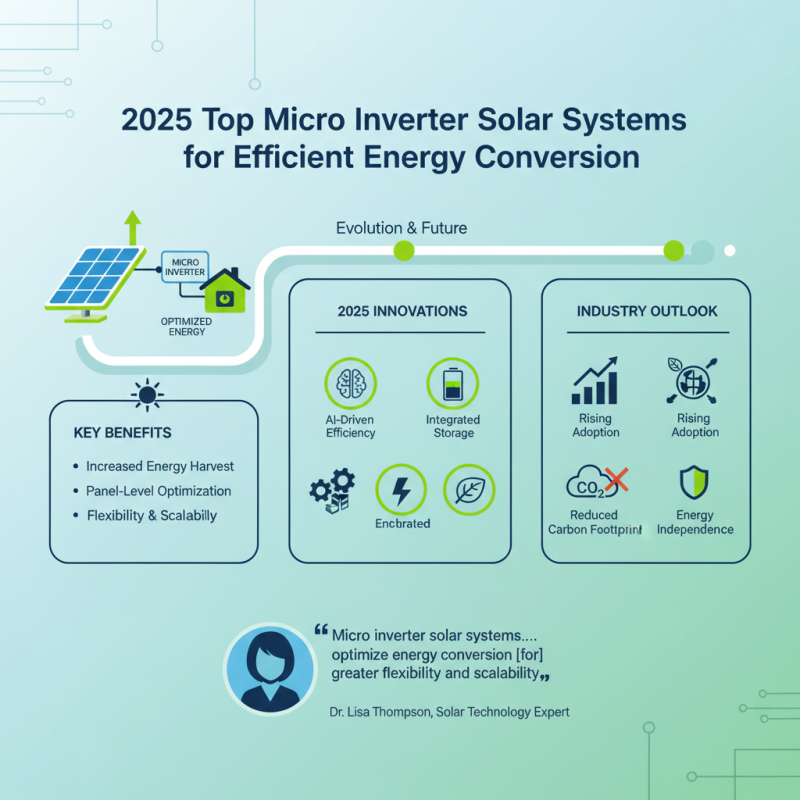
In the ever-evolving landscape of renewable energy, micro inverter solar systems have emerged as a leading solution for enhancing energy efficiency and maximizing solar power generation. Industry expert Dr. Lisa Thompson, a recognized authority in solar technology, emphasizes the transformative potential of this technology, stating, "Micro inverter solar systems not only optimize energy conversion but also allow for greater flexibility and scalability in solar installations." As homeowners and businesses alike seek sustainable energy solutions, understanding the advancements in micro inverter systems is crucial.
The year 2025 promises to bring forth innovative enhancements in micro inverter solar technology, driven by a commitment to efficiency and sustainability. These systems function by converting direct current (DC) generated by solar panels into alternating current (AC) at the individual panel level, leading to improved energy harvest and performance. As we delve into the top micro inverter solar systems available in 2025, we will explore their features, benefits, and the factors contributing to their rising popularity in the solar market.
With the imminent challenges posed by climate change and the increasing demand for clean energy sources, the adoption of micro inverter solar systems presents a viable pathway toward achieving energy independence and reducing carbon footprints. In this article, we aim to highlight the best micro inverter solar options that stand out for their efficiency and reliability, setting the stage for a brighter and greener future.
Overview of Micro Inverter Technology in Solar Systems
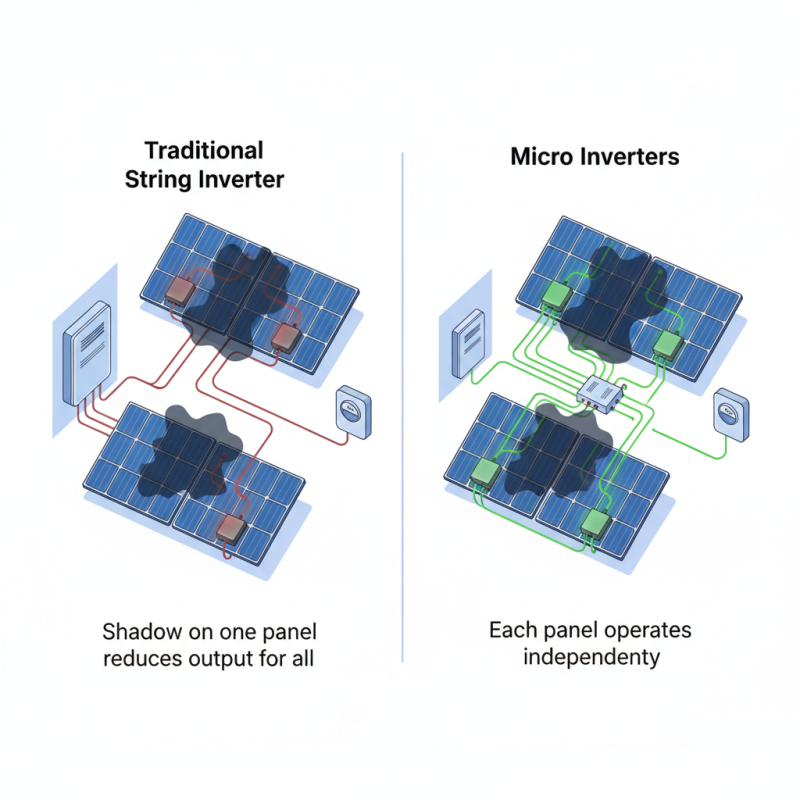
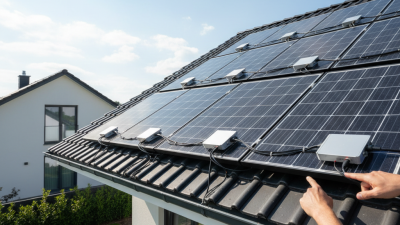
Micro inverter technology has emerged as a game-changer in solar energy systems, significantly enhancing energy conversion efficiency. Unlike traditional string inverters, which connect multiple panels in a series, micro inverters are attached to each solar panel individually. This configuration allows for optimal performance, as individual panels can work independently. According to a report by the National Renewable Energy Laboratory (NREL), installing micro inverters can increase energy production by up to 20% compared to traditional systems, particularly in installations where shading and orientation issues are prevalent.
In addition to efficiency, micro inverters provide enhanced monitoring capabilities. Users can track the performance of each panel in real time, allowing for quick identification of underperforming units. A study by the Solar Energy Industries Association (SEIA) highlights that systems equipped with micro inverters can reduce maintenance costs due to early detection of issues.
**Tips:** When considering a solar system, evaluate your roof's layout and potential shading obstacles. Make sure to choose a micro inverter system if your panels will receive uneven sunlight throughout the day. Additionally, look for micro inverters with robust warranties, as they often indicate reliable performance and longevity, ensuring your investment yields maximum returns.
Benefits of Using Micro Inverters for Energy Conversion
Micro inverters have emerged as a game-changer in solar energy conversion, offering distinct advantages over traditional centralized string inverters. One of the primary benefits is their ability to maximize energy output by converting direct current (DC) electricity from each solar panel individually. This decentralization means that even if one panel experiences shading or a malfunction, the others continue to perform at optimal levels, leading to overall enhanced efficiency.
Additionally, micro inverters simplify system installation and monitoring. The modular design allows for easier expansions and replacements of individual panels without extensive rewiring. Homeowners can monitor the performance of each panel in real time, providing insights that can lead to more proactive maintenance and better energy management.
Tips: When considering a micro inverter system, look for units that offer advanced software solutions for monitoring. Also, ensure compatibility with your existing solar setup should you choose to expand in the future. Lastly, review warranties and manufacturer support, as these can significantly impact the longevity and reliability of your solar investment.
Top Features to Look for in 2025 Micro Inverter Models
When considering micro inverter solar systems in 2025, several key features can significantly enhance energy conversion efficiency. One of the most critical aspects is the inverter’s maximum power point tracking (MPPT) capabilities. Advanced MPPT technology allows the micro inverter to optimize each solar panel’s output independently, adapting to varying sunlight conditions throughout the day, which maximizes energy capture even when panels are partially shaded or oriented in different directions.
Additionally, durability and connectivity are vital features to examine. Modern micro inverters should be built to withstand extreme weather conditions, ensuring longevity and reliability over the years. Furthermore, seamless communication with monitoring apps allows users to track performance easily and diagnose issues promptly. Look for models that offer robust software integration, enabling real-time analytics and energy management, which can lead to better-informed decisions regarding energy usage and savings. These features combined ensure that your micro inverter system operates at peak efficiency, making it a worthwhile investment for sustainable energy generation.
2025 Top Micro Inverter Solar Systems for Efficient Energy Conversion - Top Features to Look for in 2025 Micro Inverter Models
| Model |
Efficiency (%) |
Max Output Power (W) |
Operating Temperature Range (°C) |
Warranty (Years) |
Key Features |
| Micro Inverter A |
95.0 |
300 |
-40 to 85 |
25 |
Smart monitoring, Rapid shutdown |
| Micro Inverter B |
94.5 |
250 |
-40 to 90 |
20 |
Low light performance, Compact design |
| Micro Inverter C |
96.0 |
350 |
-40 to 85 |
30 |
Grid management, Enhanced durability |
| Micro Inverter D |
95.5 |
280 |
-40 to 80 |
25 |
User-friendly app, 3-phase compatibility |
| Micro Inverter E |
93.0 |
300 |
-35 to 90 |
20 |
Integrated optimizer, Silent operation |
Comparison of Leading Micro Inverter Brands and Their Performance
When choosing a micro inverter for your solar energy system, it's essential to compare the performance of leading brands in the market. The top micro inverters of 2023 have shown impressive peak conversion efficiencies, with certain brands achieving rates above 97%. This efficiency is crucial as it directly impacts the energy yield from solar panels, making it a significant factor when selecting the right inverter.
Tip: Always consider the warranty and support offered by the manufacturer. A solid warranty can give you peace of mind as you invest in a micro inverter. Additionally, customer support can be invaluable in ensuring that any issues you encounter are resolved quickly and effectively.
By examining various models' specifications—such as efficiency ratings, cost, and additional features—you can ensure that you are making an informed decision. Look for user reviews and performance data to gauge real-world reliability and satisfaction.
Tip: Don't overlook compatibility with your solar panels. Ensuring that the micro inverter you choose works seamlessly with your existing setup can prevent issues during installation and optimize overall performance. Always prioritize models that are known for their reliability and positive user feedback.
Future Trends in Micro Inverter Technology for Solar Energy Systems
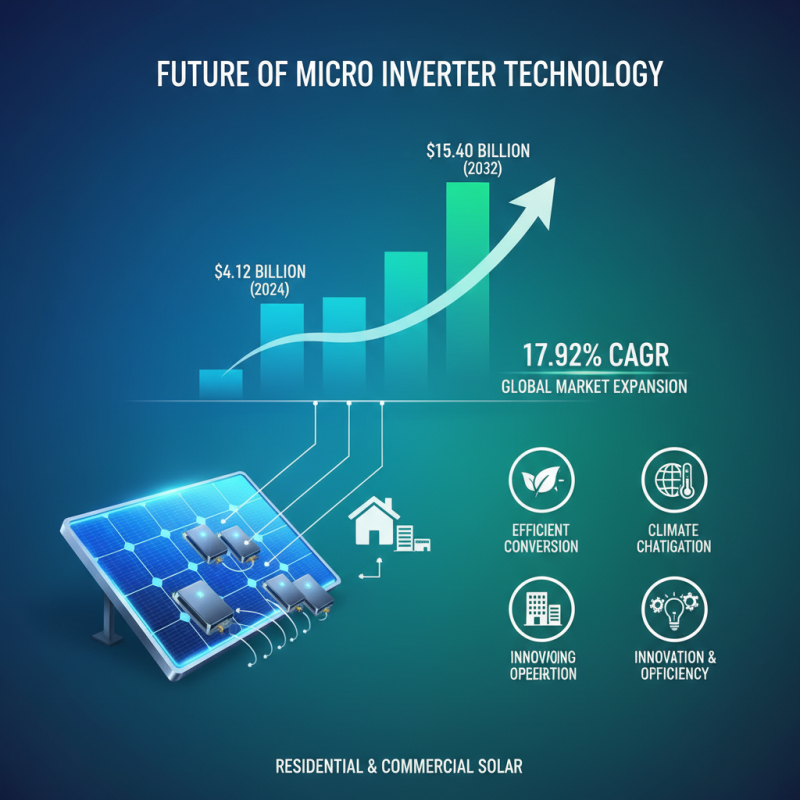
The future of micro inverter technology is poised for significant advancements as the global market is projected to expand from $4.12 billion in 2024 to $15.40 billion by 2032, reflecting a robust compound annual growth rate (CAGR) of 17.92%. This growth is driven by the increasing demand for efficient energy conversion in solar energy systems, which are becoming essential in the fight against climate change. Continuous innovation in micro inverter design and functionality is enhancing their operational efficiency, making solar installations more attractive for both residential and commercial sectors.
Emerging trends indicate that regulatory frameworks across various regions are evolving to support the deployment of solar photovoltaic (PV) inverters, thereby catalyzing market growth. With a notable increase in investments and advancements in technology, the micro inverter market is becoming more competitive. Consequently, the focus is shifting towards product differentiation, improved scalability, and integration with energy storage solutions, which is crucial for maximizing solar energy utilization. The insights from industry events and research reports highlight the importance of these technological developments in shaping the future landscape of the solar energy market.