Top 10 Benefits of Solar Panels with Micro Inverters?
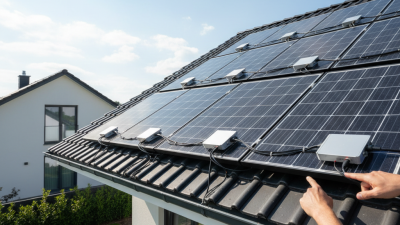
In recent years, solar panels with micro inverters have gained immense popularity. These innovative systems promise not only energy savings but also enhanced efficiency for homeowners. The concept is simple: instead of a single inverter for multiple panels, each panel operates its micro inverter. This allows for better performance in varying sunlight conditions.
Many homeowners report significant benefits. They enjoy lower electricity bills and a reduced carbon footprint. However, it's essential to weigh the initial costs against these long-term advantages. While the technology is impressive, it comes with complexities that some users may find daunting.
Transitioning to solar panels with micro inverters also poses challenges. Maintenance can be tricky, and the reliability of technology may vary. Despite these concerns, the potential rewards make this solution worth exploring. Understanding these benefits can help homeowners make informed decisions about their energy use.
Advantages of Solar Panels with Micro Inverters Over Traditional Systems
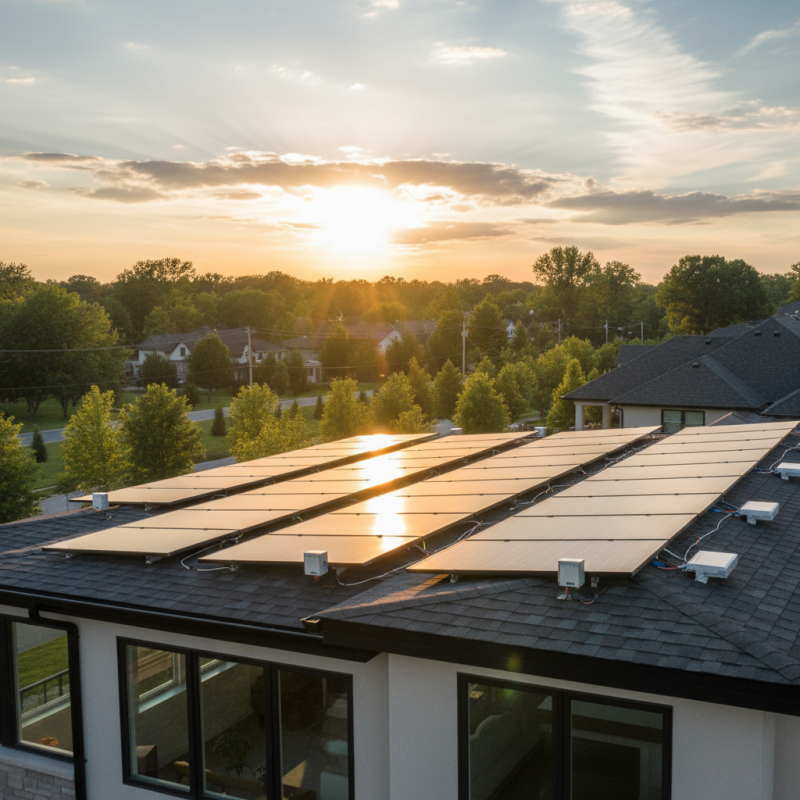
Solar panels with micro inverters offer significant advantages over traditional solar systems.
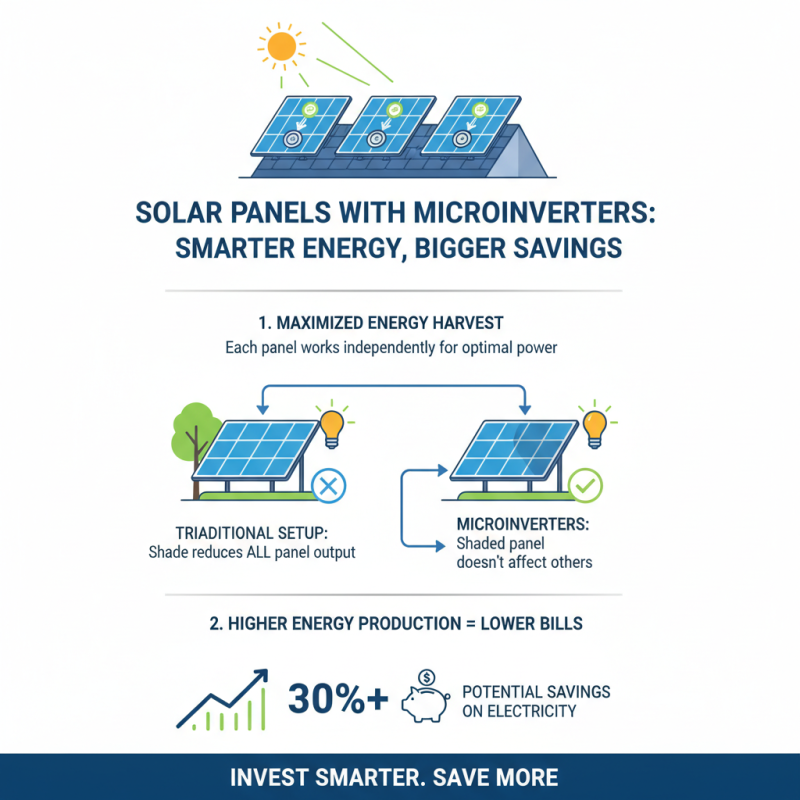
Micro inverters allow each solar panel to operate independently. This means that if one panel is shaded, it won’t impact the performance of others.
Research shows that this can increase overall energy production by up to 25%.
Traditional systems, with a single inverter, risk lower efficiency if one panel underperforms.
Installation flexibility is another key benefit. Micro inverters can be fitted to various panel types and orientations.
This adaptability can maximize energy capture in limited roof spaces.
Studies indicate that homes with micro inverters utilize more roof area for solar energy, thus enhancing energy yield.
Furthermore, micro inverters often come with extended warranties.
While traditional inverters might last around 5-10 years, micro inverters can exceed 20 years.
Still, some feedback highlights that micro inverters require careful monitoring.
In cases of failure, locating the issue can be challenging.
Understanding these aspects helps homeowners make informed decisions about solar energy installations.
Enhanced Performance in Shaded Conditions with Micro Inverters
Micro inverters are a game-changer for solar panel systems. They help in maximizing energy production, especially in shaded conditions. When one panel is shaded, it can significantly lower the performance of the entire system. However, micro inverters allow each panel to operate independently. This means that even if one panel is not getting enough sunlight, others can still perform well.
Shading can occur from trees, buildings, or even dirt. It’s common and can be frustrating. With traditional string inverters, shaded panels can drag down the performance of others. Micro inverters, on the other hand, can mitigate this issue. They optimize the output of each solar panel individually. This technology leads to higher overall efficiency. Homeowners may see increased energy production, particularly in tricky, shaded areas.
Investing in micro inverters might seem significant upfront, but the benefits can outweigh this cost. They provide better energy yields in varying conditions. If you have a lot of shading, it could be a worthwhile consideration. Reflect on your current setup. You might realize that achieving optimal energy production has more to do with the technology you use than just the sunlight available.
Increased Energy Production and Efficiency with Micro Inverter Technology
Micro inverter technology enhances solar panel systems by maximizing energy production. Compared to traditional string inverters, micro inverters operate on a module-by-module basis. This allows each panel to work independently. Research shows micro inverters can increase energy output by 20% or more in shaded conditions. Such improvement is significant, especially for homes with obstructions.
The efficiency of micro inverters also comes from their ability to perform real-time monitoring. This technology provides data on each solar panel’s performance. Users can identify underperforming panels quickly, ensuring timely maintenance. According to industry analyses, solar systems with micro inverters can achieve a return on investment (ROI) of over 30%.
While micro inverters offer substantial benefits, they may involve higher upfront costs. However, the long-term energy savings often justify this initial investment. The installation process can also be more complex compared to string inverters. It's crucial to weigh these factors carefully. Users should consider both the immediate and future impact of their solar choices.
Top 10 Benefits of Solar Panels with Micro Inverters
| Benefit |
Description |
Impact on Energy Production |
| Increased Energy Yield |
Micro inverters optimize energy production at the individual panel level. |
Up to 20% more energy output compared to string inverters. |
| Improved System Efficiency |
Each panel can operate independently, reducing shading losses. |
Higher system efficiency especially in partially shaded conditions. |
| Enhanced Monitoring |
Allows for individual panel performance monitoring. |
Identifies issues quickly to maintain peak performance. |
| Extended Lifespan |
Micro inverters typically have longer lifespans than string inverters. |
Promotes a longer overall life for the solar system. |
| Flexibility in Design |
Allows for easier installation in varied spaces. |
Adaptable layout possibilities for maximizing installation area. |
| Safety Benefits |
Lower risk of fire due to reduced DC voltage in micro inverter systems. |
Enhanced safety for homes and installations. |
| Better Performance in Low-Light Conditions |
Micro inverters can continue to generate power even in low light. |
More consistent performance throughout the day and year. |
| Potential for Future Upgrades |
Easier to expand the system with additional panels. |
Scalable energy production to meet growing demands. |
| Lower Maintenance Requirements |
Reduced wear on components due to uniform energy generation. |
Decreased need for maintenance and potential additional costs. |
| Increased Property Value |
Homes with solar energy systems can see an increase in resale value. |
Long-term asset value increases due to energy savings. |
Simplified Monitoring and Maintenance for Solar Panel Systems
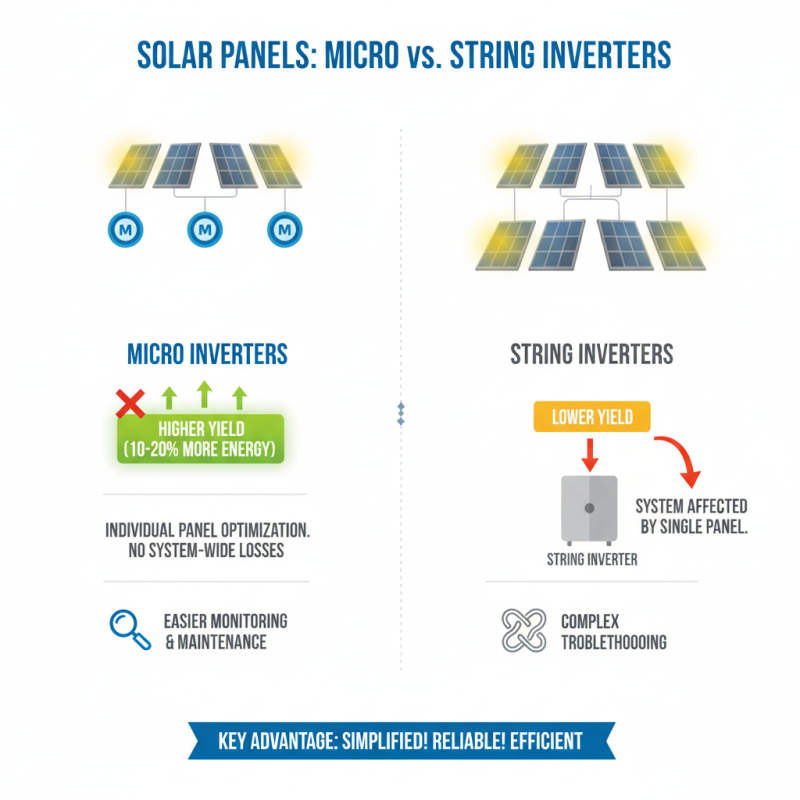
Simplified monitoring and maintenance are key advantages of solar panels with micro inverters. Unlike traditional string inverters, micro inverters operate at the individual panel level. This means that each solar panel can function independently. If one panel underperforms, it won’t affect the overall system’s efficiency. Reports show that systems with micro inverters can yield 10-20% more energy than those with string inverters under the same conditions.
Monitoring energy production becomes easier. Most micro inverter systems offer real-time data, accessible through mobile apps. Homeowners can track performance, energy output, and issues instantly. This feature enhances user engagement and understanding. However, some users may struggle with technology or fail to check the app regularly. A lack of attention can lead to missed maintenance opportunities. Regular maintenance checks remain important, regardless of the advanced monitoring features.
Another consideration is the initial cost. Micro inverters are typically more expensive than string inverters. While the long-term energy savings can be significant, the upfront expense can cause hesitation. For some, this investment requires careful consideration of financial impacts. Ultimately, the increased energy yield and simplified monitoring may justify the costs for many homeowners. Balancing these factors is essential for informed decisions.
Cost Savings and Long-Term Financial Benefits of Micro Inverters
Solar panels with micro inverters present remarkable cost-saving opportunities. Micro inverters convert solar energy to electricity more efficiently. They work individually, meaning each panel operates optimally. This setup can result in higher energy production, especially in shaded conditions. As a result, homeowners can see a noticeable decrease in their electricity bills.
Tips for maximizing savings include monitoring individual panel performance. If one panel underperforms, it can be quickly identified. Regular maintenance helps ensure all panels function correctly. Additionally, consider the local weather patterns. Some areas receive more sunlight, which can amplify savings over time.
Investing in solar panels with micro inverters may seem daunting. Installation costs are higher than conventional systems. However, the long-term financial benefits often outweigh initial expenses. Homeowners can access various incentives. Many regions offer tax credits or rebates to offset costs. These factors can enhance the overall savings, building a better financial future.