Top 10 Electric Quadricycle Models for Global Buyers
Choosing among the top 10 Electric Quadricycle models requires more than comparing stylish photographs and advertised prices. These compact vehicles sit between motorcycles and conventional cars, offering enclosed cabins, low energy use, and practical urban mobility. Their small footprints suit narrow streets, crowded parking areas, and short daily commutes. Yet comfort, stability, weather protection, and after-sales support can differ sharply between models.
This guide evaluates leading options for global buyers through a practical, evidence-based lens. It considers driving range, charging time, battery design, cabin space, safety equipment, visibility, cargo capacity, and maintenance access. Manufacturer specifications provide a useful starting point, but real-world performance can change with temperature, passenger weight, hills, and heating use. Data can shift. Independent road tests and dealer feedback therefore deserve attention.
Local requirements also matter. Buyers should verify vehicle classification, registration rules, licensing needs, insurance, charging standards, and road access before placing an order. A model approved in one market may require different equipment elsewhere. That detail is easy to miss. Availability of parts and trained technicians can influence ownership more than a few extra kilometres of stated range. The selection below is not a universal ranking; it is a structured comparison for different priorities, including affordability, premium design, urban convenience, and longer daily travel. No model wins everywhere. Careful buyers should test seating comfort, door operation, visibility, and charging compatibility whenever possible. Some conclusions remain imperfect because specifications and regional versions change. Still, these ten models provide a clear starting point for informed research.
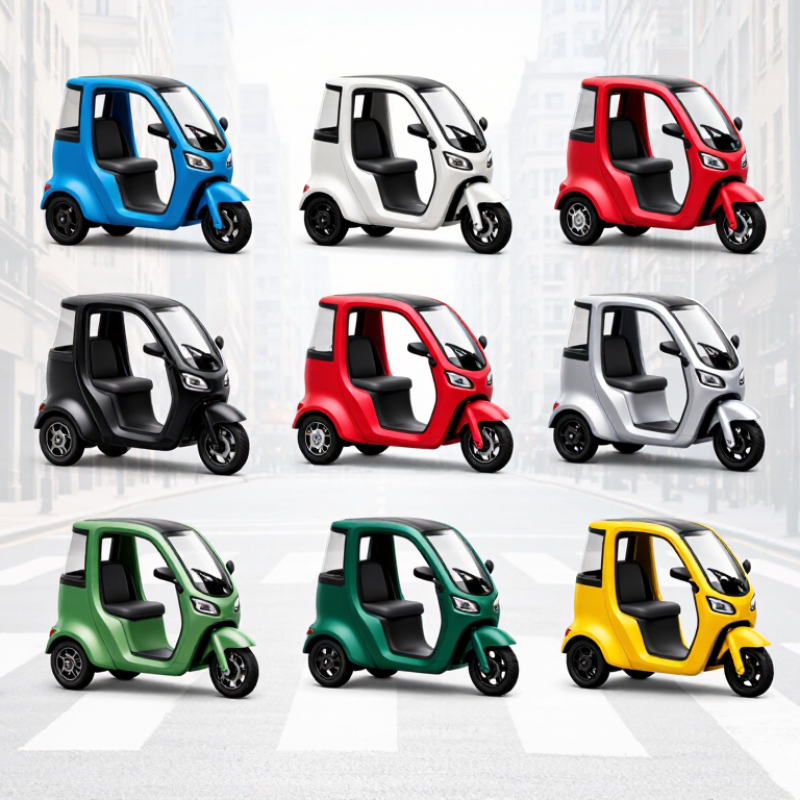
Electric Quadricycles: Definition, Classes, and Global Market Scope
Electric quadricycles sit between passenger cars, scooters, and neighborhood utility vehicles. In Europe, Regulation (EU) No. 168/2013 separates them mainly into L6e and L7e classes. L6e vehicles usually limit speed to 45 km/h and power to 6 kW. L7e models can reach 15 kW, with higher mass allowances. Batteries are treated differently in weight calculations.
The distinction matters for buyers. A light quadricycle may suit short urban trips, narrow streets, and low-speed zones. A heavy quadricycle offers stronger acceleration, larger cabins, and better cargo flexibility. Not every market uses these labels. Local rules can change licensing, crash requirements, parking access, and registration costs. That creates confusion. Sometimes, the same vehicle receives different treatment across borders.
The market opportunity is connected to wider electrification. The International Energy Agency reported nearly 14 million electric car sales in 2023, representing about 18% of global car sales. That figure excludes many low-speed quadricycles, but it signals growing acceptance of battery mobility. Research from the European Commission also identifies urban transport as a key area for reducing emissions and congestion. Buyers should still examine battery replacement, charging access, thermal performance, and after-sales support. Small vehicles are not automatically simple. Cold weather can reduce usable range, and safety equipment varies widely between classes. Industry data remains fragmented, which makes global comparisons imperfect.
Criteria for Comparing the Top 10 Electric Quadricycle Models
Comparing the top 10 electric quadricycle models requires more than checking range and appearance. Begin with vehicle classification. European rules distinguish L6e light quadricycles from L7e heavy quadricycles, with different speed, power, mass, and licensing requirements. Global buyers should verify local approval before comparing specifications.
Battery performance needs practical testing. The 2023 BloombergNEF Battery Price Survey reported an average lithium-ion pack price of 139 US dollars per kilowatt-hour, down 14% year on year. That decline supports more affordable electric designs, but it does not guarantee better value. Compare usable battery capacity, charging time, winter range, and replacement access. A claimed 150-kilometre range may shrink considerably with cold weather, hills, passengers, or frequent heating use.
Safety and daily usability deserve equal weight. Check independent crash-test coverage where available, braking equipment, lighting, visibility, occupant restraints, and structural protection. The European Commission’s L-category framework is useful, but legal compliance is not the same as strong real-world protection. Look at turning radius, door sealing, seat comfort, storage space, and service coverage. Small details matter.
A neat spreadsheet can still mislead. Manufacturer range figures often use controlled test cycles. Record measured energy use instead. IEA’s Global EV Outlook 2024shows Electric Vehicle adoption expanding rapidly, yet quadricycle data remains less consistent across regions. Buyers should therefore score evidence quality, not just headline numbers. Some comparisons will remain imperfect.That is worth admitting.
Model Profiles: Design, Performance, Range, and Practical Features
Top 10 Electric Quadricycle Models for Global Buyers
Model 1 offers a narrow body, upright seating, and a practical 75-kilometer urban range. Its small turning circle suits crowded streets. Model 2 adds sliding doors, simple digital controls, and stronger hill performance. Expect about 90 kilometers under mild conditions. Model 3 focuses on comfort, using softer seats and improved cabin insulation. Its claimed range reaches 100 kilometers, though heating can reduce it sharply.
Model 4 has a compact cargo area and a firm suspension for daily deliveries. Model 5 feels more stable at higher urban speeds, but its 80-kilometer range is modest. Model 6 uses a removable battery, useful for apartments without charging spaces. Model 7 includes brighter lighting, better mirrors, and a wider windscreen. Model 8 provides the longest stated range, near 140 kilometers, but added battery weight affects acceleration. Model 9 prioritizes easy parking, with a very short body and responsive steering. Model 10 combines rear storage, basic driver assistance, and approximately 110 kilometers of advertised range. These figures can change with temperature, passenger weight, road slopes, and tire pressure.
Tips: Compare usable range, not only laboratory figures. Check charging time, battery warranty, seat width, and local service access. A test drive should include a hill, tight parking area, and rough road. Some cabins look spacious but feel restrictive after thirty minutes. That detail is easy to miss. Verify safety equipment and regional approval before purchase, because specifications may differ between markets.
Top 10 Electric Quadricycle Models for Global Buyers
Anonymized comparison of published electric quadricycle specifications, focusing on driving range and maximum speed.
How to read the chart: Range figures are rounded published figures in kilometres, while speed indicates the stated maximum speed. Actual range varies with temperature, payload, traffic, road conditions, battery configuration, and driving style. L6e and L7e vehicles are included, so local licensing and road-access rules should be checked before purchase.
Regional Availability, Regulations, Pricing, and Ownership Requirements
Electric quadricycles are gaining attention in dense cities, university districts, and coastal communities. The ten most practical model profiles include enclosed two-seaters, open utility versions, cargo carriers, and higher-speed L7e vehicles. Their value depends more on local rules than advertised range.
In the European Union, Regulation (EU) No 168/2013 separates L6e and L7e categories. L6e vehicles generally face lower speed limits, while L7e vehicles can require stronger braking, safety, and registration compliance. Buyers should check driving-license rules, insurance, parking permits, and charging access before ordering. The European Alternative Fuels Observatory reports continued expansion of public charging infrastructure, but coverage remains uneven outside major corridors. Rural ownership can still be inconvenient.
Prices vary widely. Basic enclosed models often start near €8,000, while larger battery, cargo, and L7e versions can exceed €20,000 before taxes and delivery. These are market estimates, not guarantees. Import duties may change the final cost sharply. In the United States, many quadricycles do not fit ordinary passenger-car categories, creating state-by-state availability limits. China offers broader low-speed electric mobility, yet local registration and road-access rules still matter. The IEA’s Global EV Outlook 2024 recorded almost 14 million electric-car sales in 2023, but quadricycles remain a much smaller niche. That distinction matters. A short commute does not automatically justify ownership; battery replacement, winter range, home charging, and service-part availability deserve equal attention.
How Global Buyers Can Select the Right Electric Quadricycle
How Global Buyers Can Select the Right Electric Quadricycle
Electric quadricycles suit short urban journeys, narrow streets, and controlled delivery routes. The International Energy Agency reported over 14 million electric car sales in 2023, reaching about 18% of global new-car sales. That growth supports wider electric mobility, but quadricycles require closer product checks.
Start with the daily route. Measure distance, gradients, road surfaces, parking space, and passenger or cargo needs. A practical test should include a cold morning, two occupants, and repeated stops.
Claimed range is rarely the range you will experience. Check usable battery capacity, charging time, connector type, and local electricity conditions. Small details matter.
Safety and compliance need equal attention. Confirm the vehicle’s legal category, maximum speed, permitted roads, lighting, braking, and occupant protection requirements in the destination market. European rules distinguish L6e and L7e vehicles, but other regions may apply different classifications.
The United Nations World Urbanization Prospects expects nearly 70% of people to live in cities by 2050. Urban demand may rise, yet dense traffic exposes weak braking, poor visibility, and limited climate control quickly. Look for independent test evidence, corrosion protection, battery warranty terms, spare-parts access, and technician training. The IEA data is encouraging, but it does not prove every quadricycle will perform well. Buyers should record real energy use for several weeks. Some decisions will need revision.