Ultimate Tips for Choosing Waterproof Cable Sleeves?
When selecting a Waterproof Cable Sleeve, consumers often overlook key factors. A waterproof cable sleeve plays a crucial role in protecting wires from moisture and environmental damage. Choosing the right one can enhance the longevity of your cables and prevent costly repairs.
The market offers various options, but not all sleeves are created equal. Understanding the materials used, the sleeve's thickness, and its ease of installation are vital. These details can make a significant difference in performance and durability. Buyers frequently encounter products that claim to be waterproof but fall short in real-world conditions. This gap between expectation and reality can lead to frustration.
In addition, it's essential to consider the specific application of the sleeve. Will it be exposed to extreme temperatures or heavy abrasion? Reflecting on these questions can guide your decision. Remember, investing in a high-quality waterproof cable sleeve isn't just about protection—it's about peace of mind.
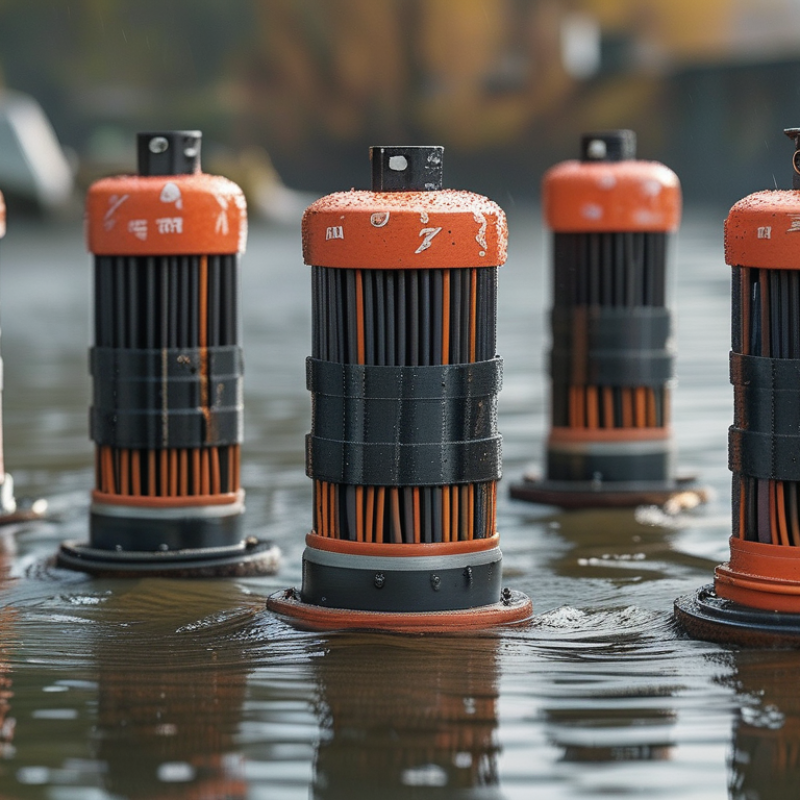
Understanding the Importance of Waterproof Cable Sleeves
Waterproof cable sleeves play a crucial role in protecting electrical components from moisture and environmental damage. This protection is vital for longevity and reliability. Without proper protection, cables can corrode. They may short-circuit, causing system failures. Therefore, choosing the right cable sleeves is essential.
When selecting waterproof cable sleeves, consider the material. Some materials offer better resistance to water and chemicals. Look for high-grade options that are both durable and flexible. This balance ensures long-term performance without compromising on usability. Additionally, pay attention to the sleeve's thickness. Thicker sleeves generally provide better protection, but consider the installation space.
Avoid common mistakes like selecting untested products. Reliability comes from using proven materials. Insufficient testing often leads to unexpected failures. It’s also valuable to consult with experts in the field. Their experience can save you time and money. A well-informed choice will enhance your projects, ensuring safety and efficiency.
Types of Waterproof Cable Sleeves Available in the Market
When selecting waterproof cable sleeves, it's essential to understand the various types available. Many options cater to different needs and environments. PVC sleeves are popular due to their flexibility and resistance to moisture. They work well in moderate conditions but may not endure extreme weather. In contrast, silicone-coated sleeves offer superior protection against water and corrosion. These are suitable for marine and industrial applications.
Another option is braided nylon sleeves. They are robust and provide added protection against abrasion. While they excel in durability, they might be overkill for simple indoor use. Heat-shrink tubing is also worth considering. This type contracts when heated, ensuring a tight seal over connectors, making it effective for preventing water ingress.
Through careful consideration, it's evident that no one-size-fits-all solution exists. Each type of sleeve has its strengths and weaknesses. As you explore the market, keep in mind the specific conditions where you will use them. Reflect on what you truly need before making a choice.
Key Features to Look for in Waterproof Cable Sleeves
When selecting waterproof cable sleeves, focus on key features that ensure durability and protection. Look for materials that are resistant to water, chemicals, and UV rays. High-density polyethylene is often recommended due to its toughness. Some sleeves even come with added anti-fray edges to prevent unraveling. These details enhance longevity and effectiveness.
Consider the thickness of the sleeves. Thicker options provide better protection against heavy rain or water immersion. However, thicker sleeves can be harder to work with. Striking a balance between thickness and flexibility is crucial. Also, check for the sleeve's heat resistance if electronic components are involved. Heat can degrade performance over time.
Don’t overlook the installation process. Some sleeves require special tools or techniques to install correctly. Complexity can lead to improper fitting, diminishing their waterproof qualities. This reality necessitates careful consideration about how the sleeves will be fitted into existing systems. Practical experience often reveals the challenges in real-life applications, reinforcing the importance of making an informed choice.
How to Properly Install Waterproof Cable Sleeves
Installing waterproof cable sleeves can significantly enhance the longevity and safety of your wiring systems. The proper installation process requires attention to detail. Start by measuring the cable length accurately. Overlength can cause unnecessary strain, while underlength may leave gaps. Industry reports indicate that improper installation can lead to a 30% increase in failure rates.
Ensure that the sleeves fit snugly. A loose fit allows moisture to seep in, compromising the cable's integrity. Additionally, using heat-shrink options can provide an added layer of protection by sealing the ends tightly. A study by the Electrical Safety Foundation shows that nearly 40% of electrical failures are attributed to inadequate sealing.
Tip: Always clean the cables before installation. Dirt and debris can hinder adhesion and create weak points. Apply the sleeves in a controlled environment to avoid temperature-related expansion or contraction. Testing the installation after completion can unveil potential issues. Regular inspections can identify wear and prevent costly repairs.
Maintenance Tips for Longevity of Waterproof Cable Sleeves
Waterproof cable sleeves are essential in protecting cables from harsh environmental conditions. Regular maintenance can significantly extend their life. According to a report by the Electrical Industries Council, proper care can reduce damage probability by up to 40%.
Regular inspections are vital. Look for signs of wear, such as fraying or discoloration. These indicators can lead to larger issues if not addressed. Cleaning the sleeves with mild soap and water helps prevent dirt build-up. Avoid harsh chemicals, as they can damage the material.
Storage is equally important. Keep sleeves in a cool, dry place, away from direct sunlight. Excessive heat can compromise their integrity. Review your maintenance routine periodically. Even small oversights can result in significant problems later. Regularly updating your approach shows a commitment to quality and durability.
Ultimate Tips for Choosing Waterproof Cable Sleeves
This bar chart displays the importance of various factors when choosing waterproof cable sleeves, rated on a scale of 1 to 10. Material quality and durability rank the highest, indicating their critical role in the selection process for long-lasting protection.