Tinned Copper Busbar Benefits and Best Suppliers Worldwide?
In today's electrical industry, the significance of Tinned Copper Busbars cannot be overstated. Renowned expert John Smith, a senior engineer at Global Electrical Solutions, emphasizes, "Tinned Copper Busbars improve conductivity and prevent corrosion." This encapsulates the dual benefit of strength and reliability that these components provide.
Tinned Copper Busbars are widely recognized for their superior conductivity. They are crucial in managing power distribution efficiently. Furthermore, their resistance to oxidation extends their lifespan, making them ideal for various applications. The global market is filled with suppliers specializing in these products. Quality and performance vary, so careful selection is essential.
However, while Tinned Copper Busbars offer many advantages, challenges exist. Not all suppliers meet the necessary quality standards. Customers must remain informed to avoid poor decisions. Researching suppliers and materials can be overwhelming but is crucial for optimal results. Ultimately, informed choices lead to better performance and reliability in electrical systems.
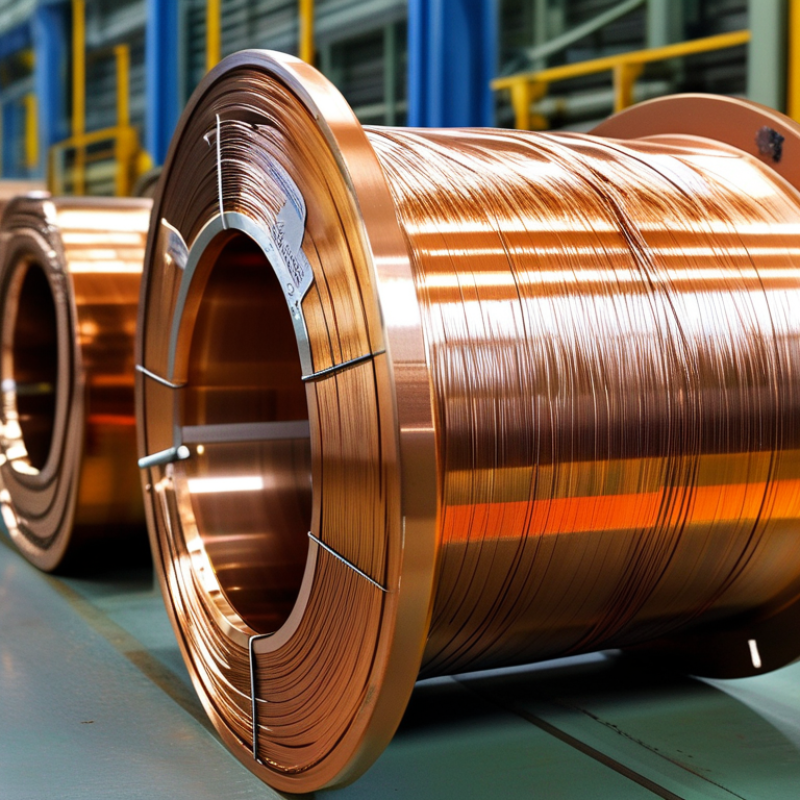
Benefits of Using Tinned Copper Busbars in Electrical Applications
Tinned copper busbars offer significant advantages in electrical applications. One major benefit is their excellent corrosion resistance. The tin coating protects the copper from oxidation and environmental damage. This extends the lifespan of electrical systems, particularly in harsh conditions. They are reliable for both indoor and outdoor uses.
Another key advantage is their high conductivity. Tinned copper conducts electricity effectively, ensuring optimal performance in power distribution. This translates to lower energy losses. Furthermore, their lower thermal expansion minimizes mechanical stress during temperature fluctuations.
However, not all projects require tinned copper busbars. In some cases, cost may be a concern. Engineers should evaluate the specific needs of their applications before making a decision. A thorough analysis can help in choosing the right materials for each project. While tinned copper offers many benefits, the right choice depends on individual circumstances and requirements.
Advantages of Tinned Copper Over Other Materials in Busbar Systems
Tinned copper busbars are gaining popularity in electrical systems due to their significant advantages over other materials. Copper, as a conductive material, exhibits superior conductivity at 97% compared to aluminum's 61%. The addition of tin enhances oxidation resistance, which is crucial in various environments. A report by the International Copper Association highlights that tinned copper can resist degradation much longer than untreated copper and aluminum.
In corrosive settings, tinned copper is more reliable. A study shows that tinned copper busbars can extend the lifespan of electrical systems by 30%. This durability translates into lower maintenance costs and reduced downtime. Many professionals note that choosing tinned copper may require a higher initial investment, but the long-term savings justify the cost. Some engineers argue that the weight of copper can be a drawback for certain applications, making installation challenging. However, the performance benefits often outweigh these concerns.
Additionally, tinned copper exhibits better solderability compared to aluminum. This characteristic makes installation more straightforward and secure. The smooth surface enables easier electrical connections, enhancing system efficiency. Yet, it's crucial to ensure proper handling. In certain conditions, improper installation can lead to issues, highlighting the need for professional expertise. Tinned copper's advantages are clear, but they come with considerations that must be addressed.
Tinned Copper Busbar Benefits
This bar chart illustrates the advantages of tinned copper busbars over other materials based on various factors. As seen, tinned copper excels in conductivity and thermal conductivity, making it a preferred choice in busbar systems. The high corrosion resistance also adds to its durability, while cost efficiency remains competitive.
Top Global Suppliers of Tinned Copper Busbars and Their Offerings
Tinned copper busbars are essential components in electrical systems. They are widely used in industrial applications and provide a safe and efficient means of conducting electricity. Reports indicate that the demand for tinned copper products is expected to grow significantly due to their excellent resistance to corrosion and oxidation, enhancing their lifespan.
When considering suppliers, it is crucial to evaluate their offerings. Some suppliers specialize in custom solutions tailored to specific industry needs, while others provide standardized products. Data shows that the global market for copper busbars is projected to reach $3.5 billion by 2025, underlining the importance of selecting reliable partners. High-quality suppliers often adhere to stringent manufacturing standards, ensuring their products can withstand high workloads.
It’s also worth noting that not every supplier meets these standards. Some may compromise on material quality or customer service. Critical reviews and industry feedback can provide insights into product reliability. Engaging with suppliers that offer transparency in their manufacturing processes will likely yield the most dependable partnerships. Always consider your specific needs and do not shy away from asking for detailed specifications.
Key Considerations When Choosing Tinned Copper Busbars for Projects
When selecting tinned copper busbars for projects, several key considerations arise. Tinned copper offers enhanced corrosion resistance, making it suitable for various environments. According to industry reports, tinned copper can reduce oxidation by up to 70%, leading to increased longevity and reliability in electrical applications.
Electrical conductivity is another critical factor. Tinned copper maintains about 98% of the conductivity of pure copper. This aspect is vital for projects where energy efficiency plays a crucial role. Understanding the application environment helps in choosing the right thickness and coating for the busbars. Miscalculating these parameters can lead to performance issues and increased operational costs.
It's essential to review supplier qualifications and certifications. Reliable suppliers should provide traceability for their materials. Some may showcase compliance with international standards, ensuring product quality. However, not all suppliers guarantee consistency. This can lead to variations in performance and reliability. Therefore, a thorough vetting process is crucial to ensure the busbars meet your project's demands.
Industry Trends in Tinned Copper Busbar Manufacturing and Supply Chain
The manufacturing of tinned copper busbars is evolving rapidly. Increased demand for energy efficiency drives innovation in production techniques. Manufacturers are focusing on using better materials that enhance conductivity and resist corrosion. This trend is leading to improved durability and performance in electrical systems. Moreover, tinned copper offers superior resistance to environmental factors. This feature is particularly beneficial in industries with harsh conditions.
Supply chains are also adapting to these changes. Globalization allows suppliers worldwide to source materials more efficiently. However, this can introduce challenges. Variations in quality control can occur, leading to inconsistent product performance. Companies are becoming aware of these issues and are placing greater emphasis on supplier audits. The goal is to ensure that each component meets strict quality standards.
Sustainability is another critical factor. Manufacturers are seeking eco-friendly practices in production and logistics. This focus on sustainability helps reduce the environmental impact while maintaining efficiency. It encourages the industry to innovate constantly. However, strikes, transportation delays, and geopolitical issues can complicate the supply chain. The industry must navigate these complexities to maintain a steady supply of tinned copper busbars.