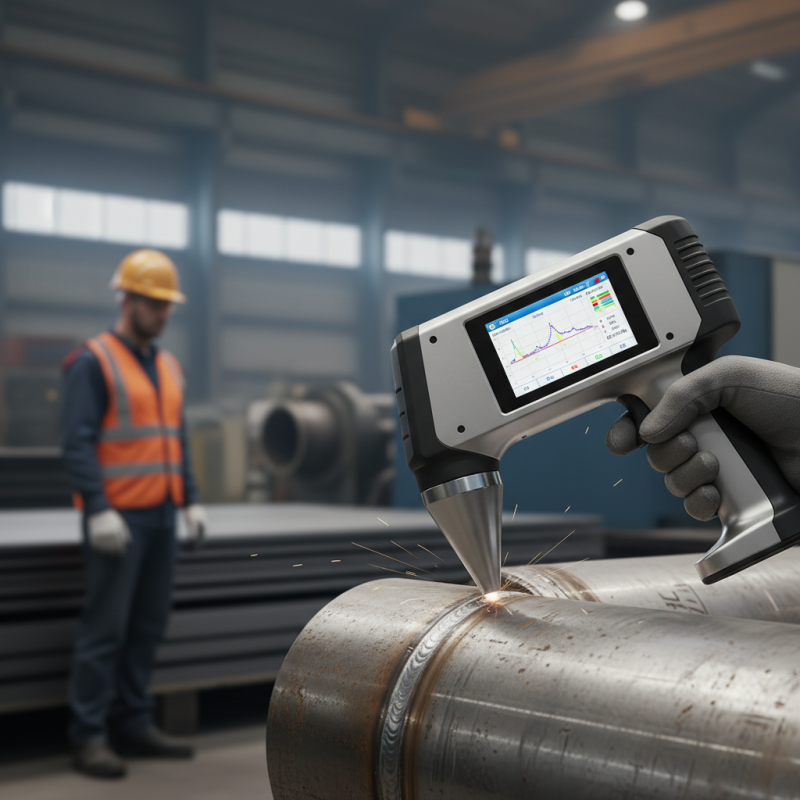
What is a Portable Metal Analyzer and How Does it Work?
Portable Metal Analyzers are essential tools in various industries. They provide fast and accurate analysis of metal compositions in real-time. This technology is crucial for quality control, safety compliance, and recycling processes.
The device employs advanced spectroscopy techniques to identify metal alloys. Users can easily operate it, reducing the need for extensive training. However, understanding its capabilities is vital. A reliable analysis depends on proper calibration and maintenance.
Industry professionals often seek these analyzers for on-site testing. Their portability allows for quick inspections, enhancing operational efficiency. Yet, users should remain aware of the limitations. Environmental factors can affect readings. Careful use ensures the integrity of results, making the Portable Metal Analyzer a valuable asset.
What is a Portable Metal Analyzer?
A portable metal analyzer is a vital tool in various industries. This handheld device is designed to identify and quantify metal compositions on-site. It plays a crucial role in quality control for manufacturers. Additionally, it helps in recycling operations and ensuring the integrity of metals used in construction.
Studies show that nearly 75% of metal recycling operations use portable analyzers. These devices utilize X-ray fluorescence (XRF) technology. XRF allows for rapid testing without damaging samples. The efficiency of portable metal analyzers can significantly reduce downtime during manufacturing processes. According to a recent industry report, those who adopted these devices increased productivity by 30%.
Operational challenges exist with portable analyzers. Environmental factors like dust or moisture can affect readings. Operators must be trained properly to ensure accurate results. The calibration of the device also requires regular attention. Despite these potential issues, the benefits of portability and instant data acquisition greatly outweigh the drawbacks, making metal analyzers indispensable in today's industrial landscape.
Metal Composition Analysis of Various Alloys
Key Features and Specifications of Portable Metal Analyzers
Portable metal analyzers are essential tools in metal identification. These devices provide rapid analysis of various metals. They are commonly used in quality control, recycling, and metal fabrication industries. Key features typically include advanced spectroscopy technology, lightweight design, and user-friendly interfaces. Many models also offer battery-powered operation, enhancing their mobility.
Specifications often highlight detection range and accuracy. Most portable analyzers can detect metals such as aluminum, copper, and stainless steel with high precision. According to industry reports, these devices can achieve accuracy levels greater than 0.01%. The lightweight design typically weighs under five kilograms, making them easy to handle in the field.
Tips: Look for models with robust data connectivity options. This feature allows for easy data transfer and efficient reporting. Regularly calibrate your device for consistent results. Also, consider the environmental conditions where the analyzer will be used, as they can impact performance. While portable metal analyzers excel in many areas, they may not always match the accuracy of stationary lab equipment. Always cross-verify critical data when necessary.
How Portable Metal Analyzers Work: A Step-by-Step Process
Portable metal analyzers are invaluable tools in various industries. They offer quick and accurate measurements of metal compositions. These devices utilize techniques like X-ray fluorescence (XRF) or optical emission spectrometry (OES). They provide instant results, making them ideal for on-site testing.
Understanding how a portable metal analyzer works requires a closer look at the process. Initially, the device is calibrated for the specific metal or alloy. Once calibrated, the operator places the analyzer on the metal surface. The device emits a beam that excites the atoms in the sample. This excitation causes the atoms to emit fluorescent X-rays or light. Sensors in the analyzer detect this light, allowing the device to determine the metal's composition.
Operators should maintain the analyzer regularly for accurate results. Calibration can drift over time, leading to potential inaccuracies. Environmental factors, like temperature and surface conditions, can also affect results. It’s essential to ensure proper technique during use to minimize errors. Ensuring that samples are clean and stable can lead to better analyses. This knowledge helps users make informed decisions regarding material quality and safety.
Common Applications of Portable Metal Analyzers in Various Industries
Portable metal analyzers play a crucial role in various industries, significantly enhancing operational efficiency. In the construction sector, these devices ensure materials meet safety and compliance standards. Reports indicate that over 30% of construction projects face delays due to material inconsistencies. Using portable analyzers can help mitigate these risks by providing real-time data on metal composition.
In recycling, the value of scrap metal is determined largely by its composition. Portable analyzers offer quick analysis, allowing recyclers to assess materials on-site. A study showed that companies using portable analyzers improved their sorting efficiency by 25%. This efficiency leads to better pricing and reduced waste, making operations more sustainable.
Manufacturers also rely on these devices for quality control. They help ensure products meet strict industry standards. However, operators must be trained to interpret the results accurately. Misreading data can result in quality issues. The challenge lies in balancing speed with precision in analysis.
Common Applications of Portable Metal Analyzers in Various Industries
| Industry | Common Metals Analyzed | Key Applications | Benefits of Use |
| Manufacturing | Steel, Aluminum, Copper | Quality Control, Material Verification | Increased Precision, Reduced Waste |
| Recycling | Metal Alloys, Precious Metals | Metal Sorting, Value Assessment | Efficiency, Cost-Effectiveness |
| Construction | Rebar, Structural Steel | Material Compliance, Structural Integrity | Safety Assurance, Compliance Verification |
| Aerospace | Titanium, Aluminum | Quality Assurance, Alloy Certification | Enhanced Safety, Risk Reduction |
| Automotive | Aluminum, Steel Alloys | Material Verification, Component Safety | Improved Quality, Compliance with Standards |
Advantages of Using Portable Metal Analyzers Over Traditional Methods
Portable metal analyzers have transformed the way industries assess metal quality. These devices provide quick and accurate results, making them a favored choice over traditional methods. Traditional analysis often requires bulky equipment and lengthy procedures in a controlled lab environment. The portability of modern analyzers allows for real-time analysis right at the site. This convenience can significantly reduce downtime and increase efficiency.
Another advantage is the ease of use. Many portable analyzers are designed for non-experts. Operators can get reliable readings without extensive training. This accessibility democratizes metal analysis. However, there can be a learning curve. Users must familiarize themselves with the device’s operation. Misinterpretation of results can happen. Therefore, thorough training remains essential to minimize errors.
While portable analyzers excel in convenience, they do have limitations. They may not provide the same level of precision as traditional lab techniques. Some complex alloys might produce inconsistent readings. Users must be aware of these factors. Proper calibration and maintenance are crucial for accurate performance. Investing time in understanding device capabilities can improve reliability.