Why is Water Pump Casing Crucial for Pump Performance?
The water pump casing plays a vital role in pump performance. Proper casing design influences efficiency, durability, and operational stability. According to industry reports, nearly 30% of pump failures stem from casing issues. This highlights the importance of selecting appropriate materials and designs.
Quality casing not only protects the internal components but also ensures optimal fluid dynamics. The right water pump casing can minimize turbulence and energy loss. A study by the Hydraulic Institute notes that efficiency improvements of up to 10% are possible with well-designed casings. However, many operators underestimate these factors, leading to costly repairs.
Certain common mistakes can weaken the casing structure. For instance, wrong material selection can result in corrosion or cracking. Regular inspections are necessary to identify these flaws early. The emphasis on water pump casing should not be overlooked; it is a fundamental aspect of reliable pump operation.
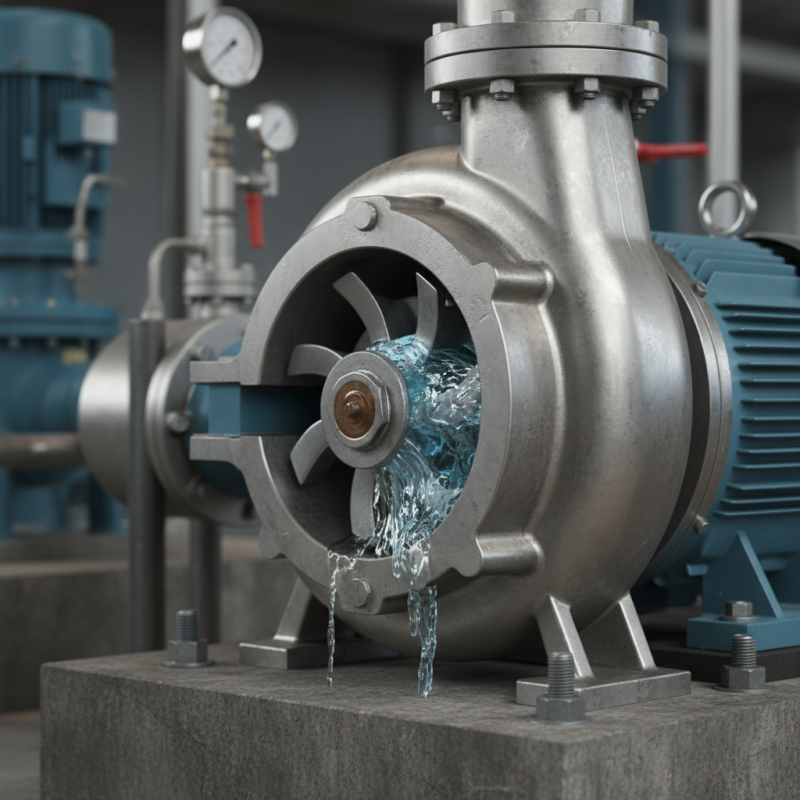
Importance of Water Pump Casing in Fluid Dynamics
In fluid dynamics, the water pump casing plays a vital role. It serves as the protective outer shell that houses the inner components. This casing affects how fluid flows through the pump. If it's not designed correctly, the entire system can suffer.
When fluid enters the pump, it must move smoothly. Any obstruction or turbulence can reduce efficiency. A well-designed casing allows for optimal flow. Flaws in design can create dead zones where fluid stagnates. This can lead to reduced performance and even catastrophic failures.
Material choice matters too. Different environments require different casings. A casing that withstands corrosion can extend the pump's life. However, using the wrong material can lead to leaks and damage. Inadequate attention to casing design can have long-term repercussions. Understanding these aspects is essential for achieving desired outcomes in any water pumping system.
Importance of Water Pump Casing in Fluid Dynamics
This bar chart represents the performance factors related to water pump casing. Proper casing design is crucial for optimal pump performance, ensuring high hydraulic efficiency, adequate material strength, and resistance to corrosion while also being cost-effective.
Role of Material Selection in Water Pump Casing Performance
The choice of material for water pump casing significantly impacts overall pump performance. Research indicates that over 30% of pump failures result from material deficiencies. Common materials include cast iron, stainless steel, and composites. Each option presents unique advantages and drawbacks. For example, stainless steel offers corrosion resistance but can be more costly.
Material strength is critical. The casing must withstand high pressures and harsh environments. Data from industry reports show that pumps made from advanced composites have shown improved durability in corrosive settings. However, not all manufacturers prioritize material testing. Inadequate assessments may lead to premature failures.
Thermal conductivity is another factor. Poor heat dissipation can lead to overheating, reducing efficiency. Engineers must also consider the pump’s operating conditions. Versatile materials may be necessary for diverse applications. But, balancing cost and quality remains a challenge. In some cases, companies compromise on material to cut expenses, which can lead to long-term issues. Regular evaluations and updates to material selection practices are essential for optimal performance.
Impact of Casing Design on Pump Efficiency and Lifespan
The design of a water pump casing significantly influences overall pump efficiency and lifespan. A well-crafted casing can reduce turbulence and cavitation. This ensures smoother water flow. According to industry reports, up to 20% of pump efficiency can be lost due to poor casing design. This often leads to increased operational costs.
Casing materials also play a vital role. For instance, using corrosion-resistant materials can extend the lifespan of a pump. Some studies suggest that corrosion can reduce pump lifespan by nearly 50% if not properly managed. On the other hand, weight and temperature resistance should not be overlooked. Heavier casings might improve stability but could also strain the pump.
However, not all designs are flawless. Engineers sometimes prioritize cost over optimal performance. This can lead to future inefficiencies and repairs. Many users fail to recognize how vital casing is until problems arise. Investing time in understanding casing design can lead to better long-term outcomes. Proper casing considerations will ultimately pay off in efficiency and durability gains.
Common Failure Modes of Water Pump Casings and Their Effects
Water pump casings play a vital role in the overall performance and efficiency of pumps. They protect internal components from damage and ensure optimal fluid movement. However, they are not immune to failure. Common failure modes include corrosion, cracking, and wear. Corrosion often occurs due to prolonged exposure to aggressive fluids. Studies show that nearly 30% of pump failures are linked to casing issues, leading to costly downtime and repairs.
Cracking is another prevalent problem. It often results from thermal stress and improper installation. A report indicated that 25% of all water pump failures stem from casing cracks. These cracks can compromise the pump's integrity, causing leaks and inefficiencies. It’s crucial to regularly inspect these casings for signs of wear. Ignoring minor issues can lead to significant operational losses.
Wear is a gradual issue that often goes unnoticed until it's too late. Operational conditions, like high pressures and temperatures, exacerbate this wear. Some reports estimate that 15 to 20% of pumps fail due to excessive wear. This can severely impact performance and cause unexpected shutdowns. Addressing these failure modes proactively can significantly enhance pump reliability and longevity. Regular maintenance and vigilant monitoring are essential for avoiding these pitfalls.
Maintenance Practices for Optimizing Water Pump Casing Functionality
Water pump casing plays a vital role in the overall efficiency of a water pump. Proper maintenance is essential for optimal performance and longevity. Neglecting the casing can lead to leaks, reduced pressure, and more wear on internal components. Regular inspections can help identify cracks or corrosion early, allowing for timely repairs. Keeping the casing clean is just as important. Dirt and debris can build up, affecting water flow.
Using the right sealants and gaskets can prevent water from escaping and protect against contamination. Periodically tightening the casing’s bolts ensures a tight fit, minimizing vibration impact. If there are signs of wear, it’s worth considering replacement. Some might think that the casing is sturdy and will last without care. This could lead to larger issues in the future.
Documenting maintenance practices creates accountability. Logging repairs and inspections can highlight recurring problems. It’s a way to reflect on the pump’s overall condition. A well-maintained casing contributes significantly to energy efficiency. Investing time in these practices pays off in the long run. Neglect can cost more than just money; it can lead to system failures.