Hydrogen Refueling Stations at 2026 Canton Fair What to Expect?
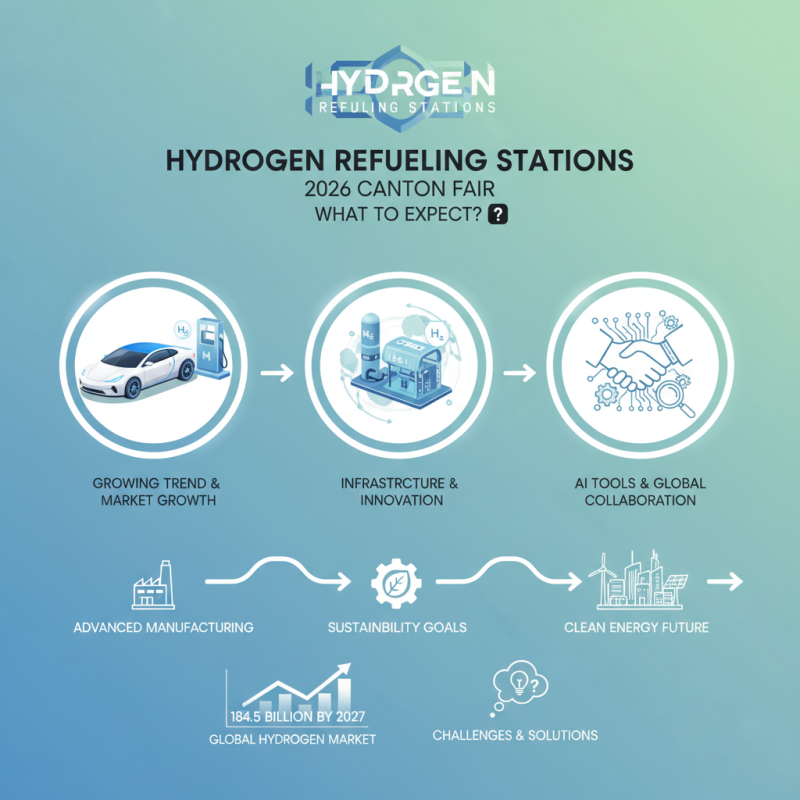
The upcoming 2026 Canton Fair is set to showcase the growing trend of Hydrogen Refueling Stations. Advances in hydrogen technology are gaining momentum globally. According to recent industry reports, the hydrogen market is projected to reach $184.5 billion by 2027, with renewable hydrogen gaining particular focus. In this context, the fair's emphasis on advanced manufacturing and new materials offers an ideal platform for hydrogen infrastructure innovations.
With enhanced AI tools featured at the fair, buyers can easily locate suppliers of hydrogen station technologies. The introduction of AI-driven search features streamlines the selection process, ensuring that stakeholders find manufacturers with essential certifications. Buyers will likely seek hydrogen solutions due to their increasing relevance in achieving sustainability goals. Current challenges remain, though; not all suppliers meet necessary standards.
Hydrogen Refueling Stations are essential for fostering a clean energy future. However, infrastructure disparities exist worldwide. The fair presents an opportunity to address these gaps and spark meaningful discussions about future developments in hydrogen technology. Engaging with experts could lead to reflections on how to enhance the efficiency of these systems and expand the reach of hydrogen solutions globally.
Hydrogen Refueling Stations: Overview of Current Technologies
Hydrogen refueling stations are gaining attention worldwide. As vehicle manufacturers turn to hydrogen, technologies evolve rapidly. According to a report by the International Energy Agency, the number of hydrogen refueling stations increased by over 50% in 2022, a clear sign of growth in this sector.
Current technologies focus on several methods of hydrogen production. Electrolysis is one prominent technique. It uses electricity to split water molecules. This method holds promise for sustainability, especially when powered by renewable energy sources. Research indicates that, with improved efficiency, electrolysis could reduce costs by up to 30% by 2025.
However, challenges remain. The infrastructure for widespread hydrogen distribution is still lacking in many regions. Many stations depend on limited supply chains. Another issue is energy consumption during hydrogen production. Innovations are vital for making this technology truly viable. Addressing these concerns will be essential for anyone looking to invest in the hydrogen economy.
Hydrogen Refueling Stations Technologies Overview (2026)
Key Innovations in Hydrogen Refueling Solutions for 2026
The 2026 Canton Fair promises significant advancements in hydrogen refueling solutions. Industry reports indicate that the global hydrogen refueling station market is set to reach $15 billion by 2026. This growth reflects the increasing push for hydrogen as a clean energy source. Key innovations are emerging from various sectors. New technologies may enhance refueling speed and efficiency, potentially reducing wait times for users.
One notable development involves modular refueling solutions. These designs allow stations to adapt to varying demand levels, an important factor for cities with fluctuating hydrogen vehicle usage. Enhanced safety measures and automated systems are also on the horizon, which could minimize operational risks. Industry leaders emphasize the need for standardized protocols to streamline these innovations.
However, challenges remain in infrastructure deployment. Many regions still lack adequate refueling networks. Some stakeholders express concern over the high costs of construction and maintenance. It’s essential for the industry to address these obstacles to maximize hydrogen’s potential as a sustainable energy source. The path to widespread adoption is complex but achievable with collaborative efforts and innovative thinking.
Hydrogen Refueling Stations at 2026 Canton Fair What to Expect? - Key Innovations in Hydrogen Refueling Solutions for 2026
| Feature | Description | Benefits | Potential Impact |
| Ultra-Fast Refueling Technology | New systems capable of refueling in under 5 minutes. | Improves convenience and user experience. | Increases adoption rates of hydrogen vehicles. |
| Smart Refueling Stations | Integration of IoT for operational efficiency. | Enhances monitoring and management of resources. | Reduces operational costs and downtime. |
| Green Hydrogen Production | Hydrogen produced using renewable energy sources. | Minimizes carbon footprint of refueling. | Supports sustainability goals across industries. |
| Enhanced Safety Features | Advanced leak detection and emergency shutoff systems. | Increases user safety and trust in technology. | Fosters a more positive public perception of hydrogen. |
| Modular Station Design | Designs that allow for easy expansion and customization. | Flexible solutions tailored to regional demands. | Promotes investment in diverse markets. |
Impact of Hydrogen Infrastructure on the Automotive Industry
As the automotive industry pivots toward sustainability, hydrogen infrastructure is gaining traction. A report by the International Energy Agency (IEA) highlights that global hydrogen demand could reach 500 million tons by 2050. This transition could significantly reshape vehicle refueling networks.
Hydrogen refueling stations (HRS) are crucial for this shift. Currently, there are around 600 operational stations worldwide. However, analysis suggests that at least 10,000 are needed to support a substantial number of hydrogen fuel cell vehicles (FCVs). The exponential growth of HRS remains a bottleneck, leading to skepticism among potential users.
Developing infrastructure can be challenging. Investment costs are high, and logistical issues persist. Many regions lack supportive policies, which complicates deployment. The mixed progress in hydrogen technology can lead to doubts about its viability. Industry stakeholders must address these concerns while pushing for innovation that will enhance accessibility and efficiency.
Sustainability Goals: The Role of Hydrogen Refueling Stations
As more industries shift towards sustainability, hydrogen refueling stations play a vital role. At the 2026 Canton Fair, these stations will be a focal point for discussions on clean energy. They offer a viable alternative to fossil fuels, contributing to reducing carbon emissions.
Hydrogen is abundant. It can be produced from various sources like water and organic materials. This versatility makes it an attractive option for powering vehicles and industries. However, the infrastructure for refueling is still developing. Many regions lack enough stations, which creates challenges for potential users.
Tips: Advocates should promote education about hydrogen's benefits. Information can dispel myths and encourage adoption. Collaboration among experts is essential to improve technology and infrastructure. Additionally, governments might need to provide incentives for developing these stations.
Users should also stay informed. Understanding where hydrogen stations are located can help plan journeys. Tracking advancements in this field can reveal new opportunities. While hydrogen technology is promising, there are hurdles to navigate. The path to sustainability is not straightforward, but the potential rewards are significant.
Expected Challenges and Opportunities at the Canton Fair 2026
As the Canton Fair approaches in 2026, the role of hydrogen refueling stations in the event is a hot topic. Industry analysts predict a surge in interest. According to a report by the Hydrogen Council, the global hydrogen market could reach $700 billion by 2030. Amid this optimism, challenges loom.
Regulatory hurdles might arise. Adhering to safety standards remains crucial. Limited infrastructure could hinder development, particularly in remote areas. The urban landscape often lacks sufficient space for new stations. Moreover, competition for funding may intensify as new projects emerge. It’s important to note these obstacles, as they may slow down progress.
Tips: Be proactive in networking at the fair. Engage with industry leaders. Discuss the necessity of collaboration in overcoming infrastructure challenges. Stay updated on regulatory changes, as policies evolve. This knowledge could unlock new opportunities.
Hydrogen technology is advancing rapidly. However, not all projects receive equal attention. There is a risk of oversaturation in certain regions. Without careful planning, some stations might underperform. Exploring diverse financing options could mitigate this issue. The market needs innovation but should also reflect realistic expectations.