The Ultimate Guide to Choosing the Best Solar Inverter for Your Home
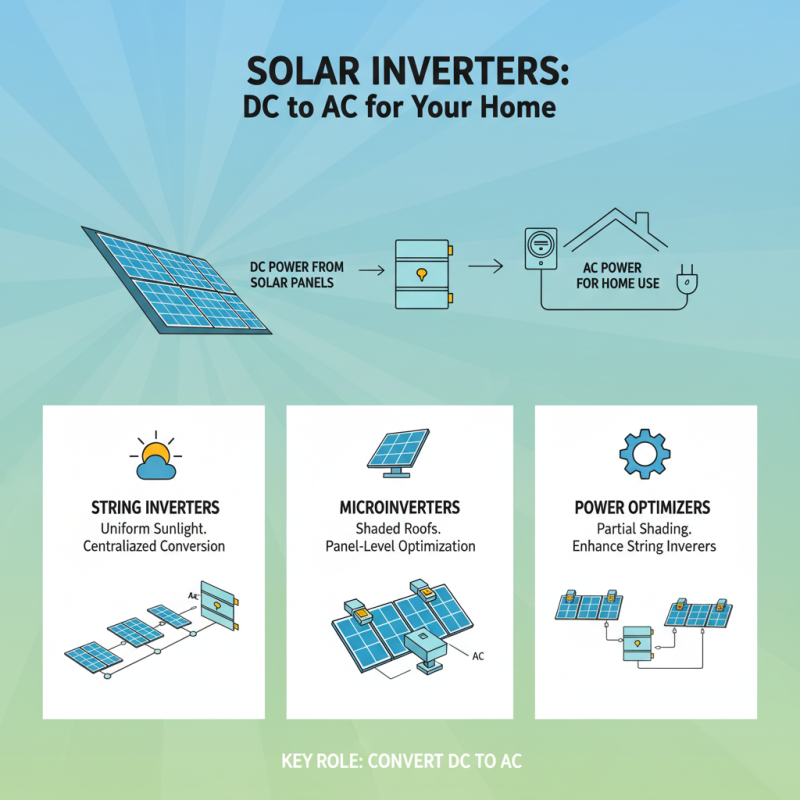
As homeowners increasingly turn to renewable energy sources, choosing the right solar inverter becomes a critical decision in optimizing solar power systems. According to the Solar Energy Industries Association (SEIA), the U.S. solar market experienced a record growth of 23% in 2022, highlighting the rising importance of efficient solar components. A pivotal component in any solar setup, the solar inverter converts the direct current (DC) generated by solar panels into usable alternating current (AC), which powers our homes.
Dr. Emily Jensen, a leading expert in solar energy technology, emphasizes the importance of selecting the right inverter, stating, "The efficiency and reliability of your solar inverter can significantly affect your overall energy production and system performance." In the ever-evolving technology landscape, understanding the features and capabilities of different inverter types—such as string inverters, microinverters, and power optimizers—can empower homeowners to make informed decisions that align with their energy goals. With the solar industry projected to continue its expansion, a knowledgeable approach to choosing the best solar inverter is essential for maximizing energy savings and contributing to a sustainable future.
Understanding Solar Inverters: Types and Functions
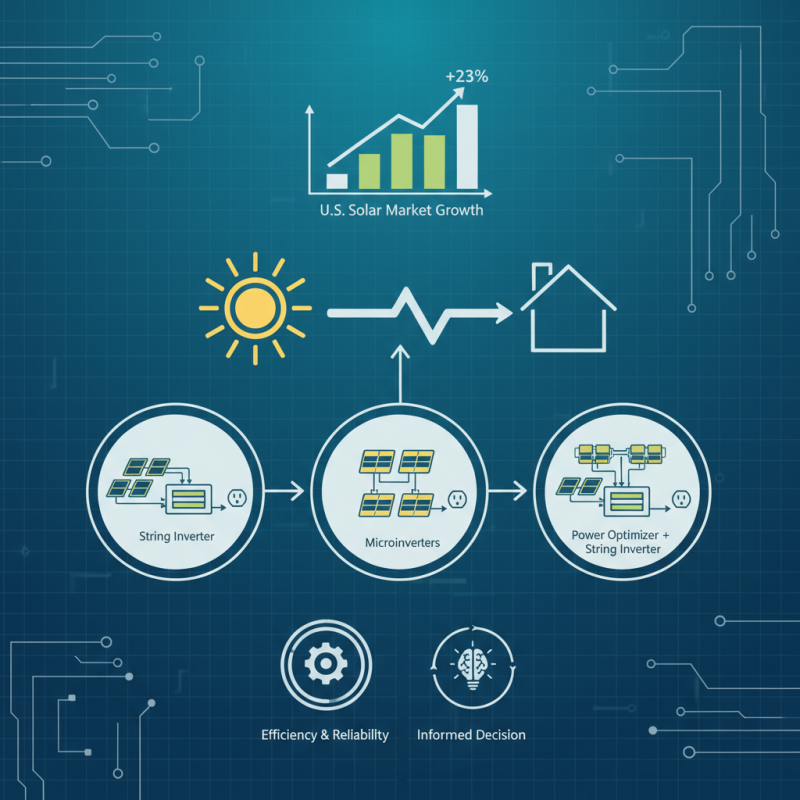
When diving into the world of solar energy, understanding the functions and types of solar inverters is crucial. Solar inverters play a pivotal role in converting the direct current (DC) generated by solar panels into alternating current (AC), which can be used in our homes. The most common types include string inverters, microinverters, and power optimizers. String inverters are suitable for systems where panels receive uniform sunlight, while microinverters are ideal for rooftops with shading issues, as they optimize the output from each panel individually.
Tips: When choosing an inverter, consider your roof's layout and potential shading during different times of the day. If your installation area is prone to shading, microinverters might offer better energy yields. Additionally, pay attention to the inverter's efficiency rating and ensure it aligns with your energy needs.
Moreover, inverters come equipped with various features such as monitoring systems and smart technology integration, which can enhance your solar energy experience. These features can allow homeowners to track energy production in real-time, enabling better energy management. It’s essential to balance these features with your budget, ensuring you select an inverter that provides valuable data without unnecessary costs.
Tips: Look for an inverter with a good warranty period and reliable customer support, as this can provide peace of mind in case of future issues. Always research the inverter's performance in different conditions to ensure it will meet your household's energy demands consistently.
Key Factors to Consider When Choosing a Solar Inverter
When selecting a solar inverter for your home, there are several key factors to consider to ensure you make the best choice for your energy needs. First and foremost, it's essential to determine the inverter's type—string, micro, or power optimizer. Each type has its advantages: string inverters are cost-effective and suitable for uncomplicated systems, while microinverters can enhance performance in shaded areas and maximize energy production. Understanding your installation setup will help you decide the best fit.
Another crucial aspect is the inverter's efficiency rating. The efficiency indicates how well the inverter converts DC electricity from solar panels into AC electricity for home use. A higher efficiency rating generally means more energy savings in the long term. Additionally, take note of the inverter’s warranty and lifespan. Most inverters come with warranties ranging from five to twenty-five years, and a longer warranty often signals a more reliable product. Consider the quality and performance in relation to your energy consumption patterns to find an inverter that balances efficiency, durability, and cost effectively.
The Ultimate Guide to Choosing the Best Solar Inverter for Your Home
Understanding the key factors in solar inverter performance is crucial for optimizing your solar energy system. Below is a bar chart illustrating the efficiency ratings of various types of solar inverters commonly used in residential setups.
Comparing Efficiency Ratings of Different Solar Inverters
When searching for the best solar inverter for your home, it's essential to understand the efficiency ratings that can significantly impact your solar energy system's performance.
Efficiency ratings generally range from 90% to 98%, and they indicate how well an inverter converts the direct current (DC) generated by your solar panels into usable alternating current (AC).
A higher efficiency rating means more energy harnessed from your solar panels, leading to greater overall savings on your energy bills.
Tips: Before making a final decision, consider researching the inverter's efficiency during various operating conditions.
Some inverters may have higher ratings under ideal circumstances but perform less effectively in real-world scenarios.
Additionally, pay attention to the temperature coefficient of the inverter, which reflects how its efficiency changes with temperature fluctuations.
When comparing solar inverters, it's beneficial to look at their performance over time and under different conditions.
Not all inverters perform equally when exposed to shading or fluctuations in sunlight.
Therefore, examining user reviews and third-party tests can provide insight into which models consistently deliver high efficiency and reliability.
By prioritizing these factors, you’ll be well-equipped to select a solar inverter that maximizes the benefits of your home solar energy system.
Evaluating the Cost and Warranty Options of Solar Inverters
When selecting a solar inverter for your home, understanding the cost and warranty options is crucial. The price of solar inverters can vary significantly depending on the type, size, and features. Generally, you can expect to spend anywhere from a few hundred to several thousand dollars. It's important to assess your energy needs and compare the specifications of different models to ensure you're investing wisely. While cheaper options might seem appealing, they may lack the efficiency and longevity of higher-quality inverters.
**Tips:** Always consider the total cost of ownership, which includes installation, maintenance, and potential repairs down the line. Sometimes, spending a little more upfront for a better inverter can save you money in the long run by reducing energy loss and minimizing maintenance fees.
Warranties are another critical factor to evaluate. Most reputable solar inverters come with warranties ranging from 5 to 12 years, but some premium options may offer even longer coverage. A solid warranty reflects the manufacturer's confidence in their product's durability and performance. Be sure to read the fine print to understand what is covered and any conditions that may affect your warranty claim.
**Tips:** Look for inverters with extended warranties or options for additional coverage. This can provide peace of mind, ensuring that you’re protected against possible failures and can avoid unexpected repair costs.
The Ultimate Guide to Choosing the Best Solar Inverter for Your Home
| Inverter Type |
Cost (USD) |
Efficiency (%) |
Warranty (Years) |
Features |
| String Inverter |
$1,000 - $2,500 |
95% |
5 - 10 |
Simple installation, Cost-effective |
| Micro Inverter |
$1,500 - $3,500 |
96% - 97% |
10 - 25 |
Optimized performance, Individual module monitoring |
| Power Optimizer |
$1,200 - $3,000 |
95% - 98% |
5 - 20 |
Module-level optimization, Enhanced shading tolerance |
| Hybrid Inverter |
$2,000 - $4,500 |
95% - 98% |
5 - 15 |
Battery integration, Grid and off-grid use |
Installation and Maintenance Tips for Optimal Inverter Performance
When it comes to ensuring optimal performance of your solar inverter, installation and maintenance are key factors that can significantly influence its efficiency and lifespan. According to the National Renewable Energy Laboratory, a properly installed solar inverter can boost system performance by up to 20%. It's crucial to position the inverter in a cool, shaded area, ideally in a climate-controlled environment, to prevent overheating. Regular checks for ventilation and avoiding direct sunlight can mitigate risks associated with thermal degradation.
Maintenance is equally important for the longevity of your inverter. Routine assessments should include inspecting electrical connections for corrosion, checking for dust buildup, and ensuring that the inverter’s cooling mechanisms are functioning properly. The Solar Energy Industries Association reports that a well-maintained inverter typically lasts between 5 to 7 years, while neglecting maintenance can reduce its life expectancy significantly.
Implementing a proactive maintenance schedule not only enhances performance but can also prevent costly repairs in the long run, ensuring that your investment in solar technology pays off effectively.