10 Essential Tips for Choosing the Right Solar Power Inverter for Your Home
Choosing the right solar power inverter is crucial for optimizing the performance and efficiency of your home solar energy system. As an integral component, the solar power inverter converts the direct current (DC) generated by solar panels into alternating current (AC), which is used in most household appliances. With the increasing popularity of solar energy solutions, the market is flooded with various inverter options, each boasting different features and specifications. Making an informed decision can significantly impact your overall energy savings and system reliability.
In this guide, we will explore ten essential tips that will help you navigate through the array of solar power inverter choices available today. From understanding the various types of inverters to evaluating performance metrics and warranty options, these insights are designed to empower homeowners with the knowledge necessary for selecting the ideal inverter for their specific needs. Whether you are considering a new solar installation or looking to upgrade your existing system, these tips will serve as a valuable resource in your quest for an efficient and effective solar power solution.
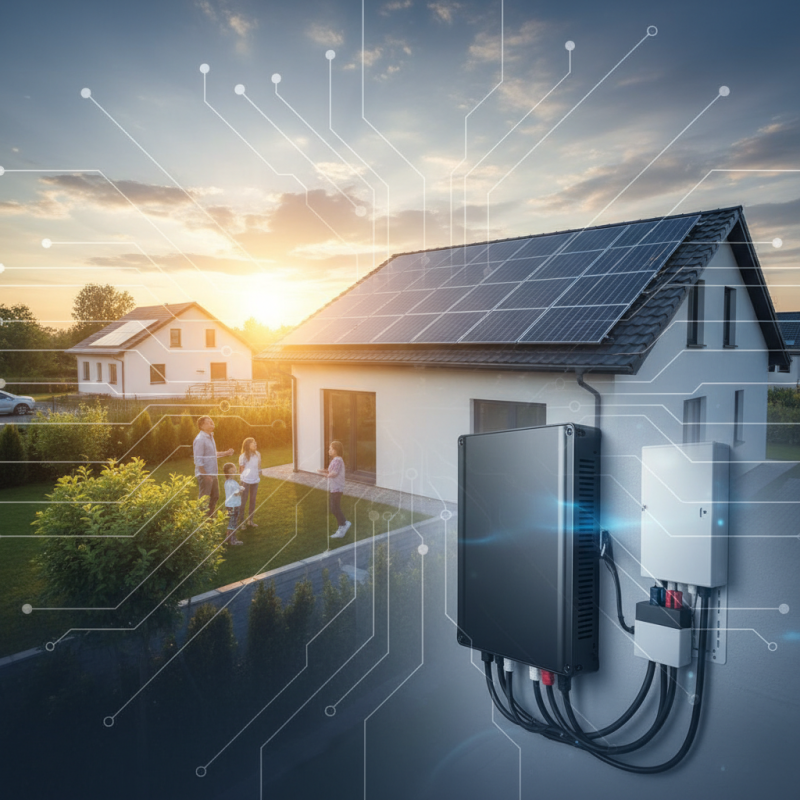
Essential Features to Consider in a Solar Power Inverter for Home Use
When choosing a solar power inverter for home use, it's essential to consider several key features that directly impact its performance and suitability for your needs.
First and foremost, the inverter's power rating should match your solar panel system’s output. This ensures that it can handle the energy produced without risking overloads or inefficiencies.
Additionally, examining the inverter's efficiency rating is crucial, as higher efficiency means more of the generated solar energy is converted to usable electricity, minimizing waste.
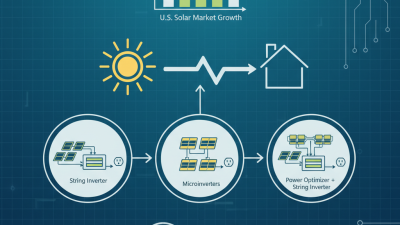
Another important feature to consider is the type of inverter. There are several options available, including string inverters, microinverters, and power optimizers.
Each type has its advantages; for instance, microinverters offer better performance in shaded areas, while string inverters are typically more cost-effective for larger installations.
Furthermore, look for inverters with built-in monitoring systems. This allows homeowners to track energy production, diagnose issues quickly, and optimize their solar energy use effectively.
Understanding these essential features will empower you to select the right inverter that enhances your home's solar power system.
Understanding Different Types of Solar Inverters: Which One is Best?
When selecting a solar power inverter, understanding the different types available is crucial for optimizing energy efficiency and maximizing savings. The three primary types of solar inverters are string inverters, microinverters, and power optimizers. According to a report by the International Renewable Energy Agency (IRENA), approximately 70% of residential solar systems utilize string inverters due to their cost-effectiveness and simplicity in installation. They are ideal for systems with uniform shading and orientation, allowing for seamless integration with existing electrical systems. However, in scenarios where shading issues or varying panel orientations exist, microinverters may be a better option. They optimize the performance of each panel individually, leading to higher overall energy yield.
Moreover, a 2021 study by Wood Mackenzie indicates that power optimizers bridge the gap between string inverters and microinverters, typically offering higher efficiency than string inverters while maintaining a lower cost than microinverters. Power optimizers work by maximizing the energy production of each solar panel while still using a central inverter for system management. Homeowners should consider their specific installation environment, energy needs, and budget when deciding which inverter type suits them best. By carefully evaluating these options, one can enhance the performance of their solar energy system and ensure a higher return on investment.
Comparison of Different Types of Solar Inverters
This chart displays the efficiency of various types of solar inverters, which are essential for converting solar energy to usable power in homes. As seen, hybrid inverters have the highest efficiency, followed closely by micro inverters.
Evaluating Inverter Efficiency Ratings: What You Need to Know
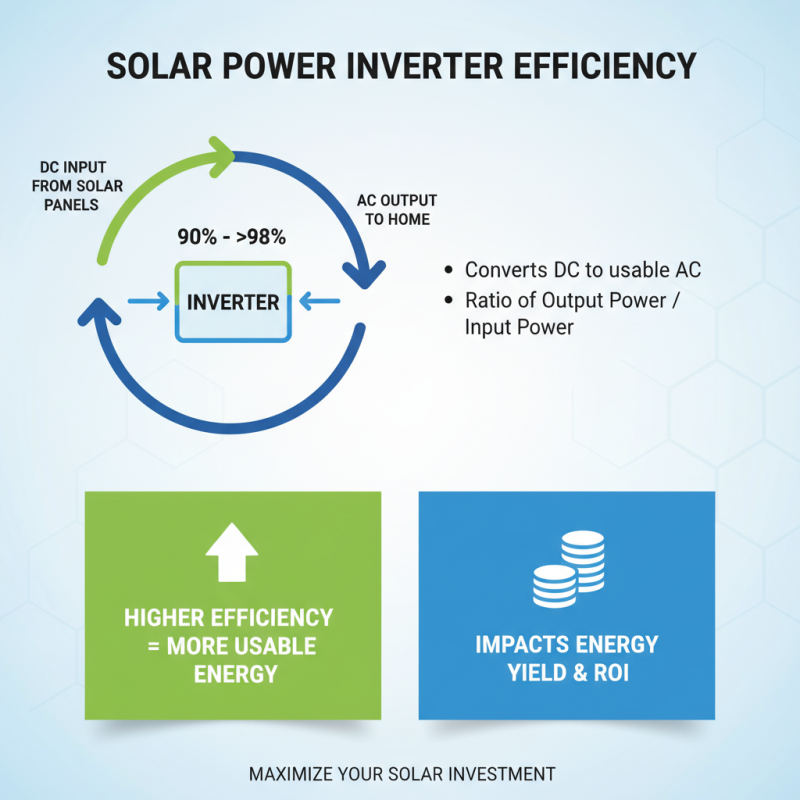
When selecting a solar power inverter for your home, understanding inverter efficiency ratings is crucial. Inverter efficiency refers to the ratio of the output power produced to the input power consumed, usually expressed as a percentage. A higher efficiency rating indicates that the inverter is more effective at converting DC (direct current) from solar panels into usable AC (alternating current) electricity, ultimately maximizing the energy output of your solar power system. Typically, inverters can range from 90% to over 98% in efficiency. It's important to evaluate this metric as it directly impacts the overall energy yield and return on investment.
Furthermore, beyond just the efficiency rating, consider the inverter's performance under different conditions. Inverters operate at varying efficiency levels depending on factors such as temperature and load. A high-quality inverter should maintain its efficiency throughout a range of operational conditions. Look for performance data in the form of a data sheet or efficiency curve, which outlines how the inverter performs under various environmental conditions. By keeping these factors in mind and prioritizing high-efficiency models, you can ensure that your solar power system works optimally, providing savings on your energy bills and reducing your carbon footprint.
The Importance of Inverter Capacity and System Sizing for Your Needs
When selecting a solar power inverter for your home, understanding inverter capacity and system sizing is crucial. Inverter capacity refers to the amount of power the inverter can handle at any given time. To ensure that your solar energy system operates efficiently, the inverter must match or exceed the power output of your solar panels. This is particularly important because if the inverter is undersized, it may not be able to convert all the energy produced, leading to losses in efficiency and potentially reduced savings on your energy bills.
Equally significant is the sizing of the entire solar power system, which should be tailored to your energy consumption needs and your local sunlight conditions. Conducting a detailed analysis of your energy usage will help you estimate the appropriate system size. A system that is too small may leave you reliant on grid electricity, while an excessively large system could lead to overproduction, where the inverter struggles to manage excess power. Balancing these factors ensures that you achieve optimal performance, cost-effectiveness, and sustainability in your solar energy investment.
Key Reliability and Warranty Factors When Selecting a Solar Inverter
When choosing a solar power inverter for your home, understanding reliability and warranty factors is crucial. A reliable inverter ensures that your solar system operates efficiently and consistently over time. Look for inverters that have robust construction and are built to withstand various environmental conditions. Additionally, consider inverters that offer advanced safety features to protect your system from outages or faults.
Tips for selecting the right inverter include checking the manufacturer's track record. A company with a long history in the solar industry is often more reliable than newer entrants. Evaluate consumer reviews and testimonials to gauge the performance of the inverters you’re considering. Warranties are another critical aspect; a longer warranty typically indicates manufacturer confidence in their product. Many manufacturers offer warranties ranging from 5 to 12 years, with some providing extended options, which can provide peace of mind regarding long-term investment.
Make sure to inquire about the specific terms of the warranty as well. Some warranties cover only certain components, while others may include labor and shipping costs in case of repairs. A good warranty should also include provisions for the potential degradation of the inverter's performance over time, ensuring that you are protected against premature failures. In the competitive market of solar inverters, being informed on reliability and warranty can save you time and money in the long run.
10 Essential Tips for Choosing the Right Solar Power Inverter for Your Home - Key Reliability and Warranty Factors When Selecting a Solar Inverter
| Tip |
Description |
Reliability Factor |
Warranty Period |
| Compatibility |
Ensure the inverter is compatible with your solar panel system. |
High Compatibility Rate |
5-10 years |
| Efficiency |
Look for inverters with high energy conversion efficiency. |
Over 95% Efficiency |
5-10 years |
| Brand Reputation |
Choose brands known for quality and reliability. |
Established Market Presence |
10-25 years |
| Monitoring Features |
Inverters with monitoring provide insights into performance. |
Real-time Monitoring |
5-10 years |
| Installation Quality |
Proper installation can impact performance and reliability. |
Certified Installers Preferred |
N/A |
| Customer Support |
Look for inverters with strong customer service. |
Positive Customer Feedback |
N/A |
| Safety Standards |
Check if the inverter meets necessary safety certifications. |
Compliance with Standards |
N/A |
| Environmental Conditions |
Choose inverters suited to your local climate. |
Climate Resilience |
5-15 years |
| Future-proofing |
Select inverters that can handle future upgrades. |
Expandable Systems |
5-10 years |
| Cost vs. Value |
Consider the overall value rather than just the cost. |
Long-term Savings Potential |
5-25 years |