10 Essential Tips for Choosing the Right RV Solar Inverter for Your Adventure
Choosing the right RV solar inverter is a critical step for anyone looking to enhance their mobile lifestyle with solar power. As more adventurers embrace the freedom of the open road, the demand for sustainable energy solutions has skyrocketed. An RV solar inverter serves as the backbone of your solar power system, converting the direct current (DC) generated by solar panels into alternating current (AC) that powers your appliances and devices. Therefore, selecting the most suitable inverter can significantly impact your overall experience and energy management while on the go.
When embarking on your adventure, it’s essential to consider various factors that influence the performance of your RV solar inverter. From understanding your power needs to evaluating inverter types and specifications, making an informed decision is crucial. Each of these elements will ultimately affect your energy efficiency, usage convenience, and even your ability to stay off-grid longer. In this guide, we will explore ten essential tips that will help you navigate the complexities of choosing the right inverter, ensuring that your travels remain powered and enjoyable, no matter where the road takes you.
Understanding the Basics of RV Solar Inverters
When it comes to RV solar systems, understanding the basics of solar inverters is crucial for any adventure. Solar inverters play a pivotal role in converting the direct current (DC) generated by solar panels into alternating current (AC), which is necessary for powering your RV's appliances and electronics. This functionality makes the inverter a key component in ensuring that you have a reliable and efficient power source while you are away from traditional electricity lines.
One of the fundamental types of inverters used in RVs is the pure sine wave inverter. This type of inverter produces a smooth, uniform wave that mirrors the electricity provided by the grid, making it suitable for sensitive electronics like laptops and medical equipment. In contrast, modified sine wave inverters, while less expensive, may cause issues with certain devices due to the uneven wave they generate. Therefore, knowing the distinctions between these types can significantly impact your experience on the road and the performance of your equipment. Properly understanding these basics allows you to make informed decisions that enhance your travels and ensure that your solar setup meets your power needs effectively.
Key Features to Consider When Selecting an RV Solar Inverter
When selecting the right RV solar inverter for your adventures, understanding key features is paramount. A crucial aspect to consider is the power output, typically measured in watts. According to the Solar Energy Industries Association (SEIA), RV solar inverters should be able to handle at least 20% more power than the combined wattage of your appliances. This ensures efficiency and prevents overloads. For instance, if your essential devices require 1000 watts, opt for an inverter rated at a minimum of 1200 watts.
Another important feature is the inverter type. There are primarily two types: pure sine wave and modified sine wave inverters. Pure sine wave inverters generate a cleaner wave and are more suitable for sensitive electronics, as highlighted in data from the National Renewable Energy Laboratory (NREL), indicating that roughly 50% of RV owners consider sensitive equipment in their purchasing decisions. Additionally, the efficiency rating of the inverter is critical; high-efficiency models (typically above 90%) ensure minimal energy loss. As per industry statistics, inverters with higher efficiency ratings tend to convert more solar energy into usable power, enhancing the overall performance of your RV solar system during your travels.
How to Calculate the Power Needs of Your RV
When selecting the right RV solar inverter for your adventure, understanding your power needs is critical. The first step in calculating these needs is to assess all the appliances and devices you plan to use in your RV, noting their wattage requirements. For instance, a typical RV refrigerator utilizes between 100 to 400 watts, while lights can range from 5 to 60 watts depending on the type of bulbs used. Reports indicate that an average RV can require anywhere from 300 to 1200 watts based on the number of systems in use.
To ensure you select an inverter that meets your needs, sum the wattage of all devices you intend to operate simultaneously. It’s advisable to add an extra 20-30% to your total wattage for system efficiency and to account for potential surges in power draw from appliances when they start. Based on these calculations, you can determine the size of the inverter that will not only support your power demands but also ensure a seamless energy flow during your travels. According to recent industry surveys, approximately 40% of RV owners significantly underestimate their power needs, leading to frustrations during their adventures. Therefore, meticulous planning and understanding of your power requirements are essential for a fulfilling RV experience.
Power Needs of Your RV
Comparing Different Types of RV Solar Inverters
When it comes to selecting the right RV solar inverter, understanding the different types available on the market is crucial for optimizing your solar setup. Primarily, you will encounter two types of inverters: pure sine wave inverters and modified sine wave inverters. Pure sine wave inverters produce a clean, stable output that is similar to the electricity supplied by the grid. This type is ideal for sensitive electronics like laptops and medical devices, making it a preferred choice for most RVers. According to industry data, pure sine wave inverters can enhance the efficiency of appliances by around 15-20% compared to modified sine wave alternatives.
Modified sine wave inverters, on the other hand, are generally more affordable and can power simpler devices like lights or fans. However, they may not be suitable for all appliances, particularly those that require a smooth power supply. As a result, choosing the right type of inverter also depends on the specific devices you plan to use while on the road.
Tip 1: Assess your power needs by calculating the total wattage for all devices you wish to power. This will guide you in selecting an inverter that can handle your energy consumption without overloading.
Tip 2: Look into inverter efficiency ratings, which typically range from 85% to 95%. Higher efficiency means less energy wasted, allowing for more effective solar power use during your travels.
Understanding the strengths and limitations of each inverter type will empower you to make an informed decision tailored to your RV adventures.
10 Essential Tips for Choosing the Right RV Solar Inverter for Your Adventure
| Inverter Type |
Power Output (Watts) |
Wave Type |
Efficiency (%) |
Weight (lbs) |
Price ($) |
| Pure Sine Wave Inverter |
3000 |
Pure Sine |
90 |
20 |
499 |
| Modified Sine Wave Inverter |
2000 |
Modified Sine |
85 |
15 |
299 |
| Pure Sine Wave Inverter Charger |
2500 |
Pure Sine |
92 |
22 |
699 |
| Inverter with Transfer Switch |
1500 |
Modified Sine |
80 |
17 |
349 |
| Micro Inverter |
300 |
Pure Sine |
88 |
5 |
199 |
Tips for Installation and Maintenance of Your RV Solar Inverter
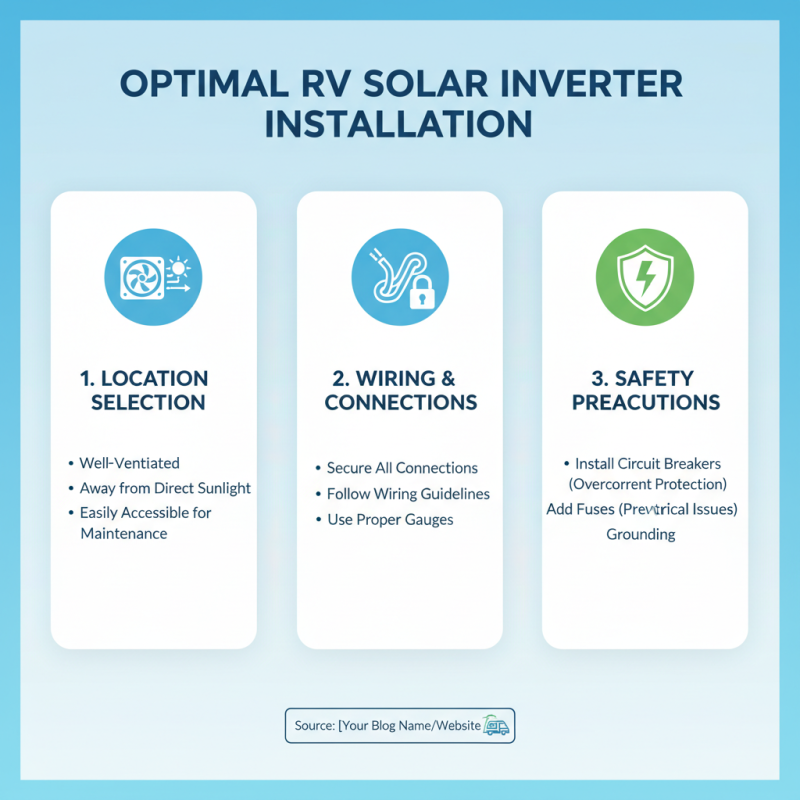
When it comes to installing an RV solar inverter, proper planning and installation are crucial for optimal performance and longevity. Start by selecting an appropriate location for your inverter; it should be well-ventilated, away from direct sunlight, and easily accessible for maintenance. Ensure that all connections are secure and that you follow the wiring guidelines carefully. For safety, consider using circuit breakers to protect against overcurrent and install fuses to prevent electrical issues.
Regular maintenance is key to keeping your RV solar inverter functioning efficiently. Periodically check the connections and wiring for any signs of wear or corrosion, as these can impact performance. Clean the inverter's surface to prevent dust buildup, which can lead to overheating. Additionally, monitor the inverter’s performance through its display or monitoring system to catch any potential issues early on. Taking these maintenance steps can significantly extend the life of your inverter and ensure that your solar power system operates at peak efficiency during all of your adventures.