How to Choose the Best Motorcycle Ebike for Global Buyers?
Choosing the right Motorcycle Ebike is no longer a style decision. It is a practical transport decision shaped by range, terrain, regulation, and service access.
The International Energy Agency’s Global EV Outlook 2024 identifies electric two- and three-wheelers as major drivers of road electrification. Their lower energy demand makes them especially important in crowded cities and emerging markets. However, global buyers face uneven charging networks, import requirements, battery standards, and repair support. A model that performs well in Berlin may struggle on steep roads in Nairobi or humid streets in Bangkok.
This guide examines the details that often decide ownership satisfaction. Battery capacity matters, but usable range matters more. A 2 kWh battery may suit short urban trips, while heavier riders need stronger torque and thermal control. Look closely at motor ratings, brake quality, suspension travel, payload limits, tire width, and water protection. These details become real when carrying groceries over broken pavement.
Deloitte’s 2024 Global Automotive Consumer Study shows that purchase confidence depends strongly on price, charging convenience, and reliability. The IEA also stresses that charging access remains uneven across markets. Therefore, buyers should evaluate the whole ownership system, not only the advertised speed. Dealer support is important. Replacement parts matter more.
No model fits everyone.
Some published range figures feel optimistic. Rider weight, wind, temperature, and tire pressure can change daily performance. That uncertainty deserves honest attention. By comparing technical evidence, warranty terms, local support, and real riding conditions, global buyers can choose a Motorcycle Ebike with fewer expensive surprises.
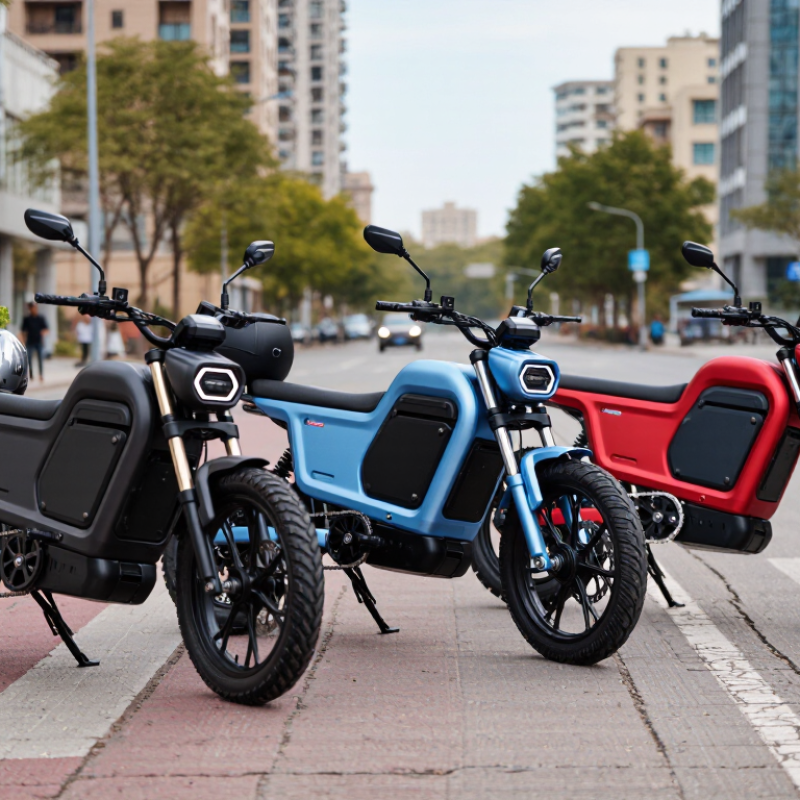
Classify the Vehicle: EU 250 W/25 km/h vs. U.S. 750 W Classes
How to Choose the Best Motorcycle Ebike for Global Buyers?
Before comparing range or suspension, classify the vehicle. In the EU, a pedal-assisted cycle commonly uses a 250 W continuous-rated motor and stops assistance at 25 km/h. It normally requires functioning pedals and compliant equipment. A motorcycle-style ebike may exceed that category, even if its display shows 250 W. Check the motor rating, assisted speed, throttle function, and local registration rules. The label is not the whole story.
In the United States, electric bicycles are often divided into Class 1, Class 2, and Class 3. Class 1 assists only while pedaling, while Class 2 includes a throttle. Class 3 usually supports pedaling up to 28 mph, depending on state definitions. The widely referenced 750 W limit does not create one national rule. States, cities, trails, and road authorities may apply different requirements. A 750 W peak figure can also differ from continuous rated power, so ask for both values.
Tips: Photograph the compliance label, manual, and charger before buying. Confirm whether the quoted speed is assisted speed or downhill speed. Ask the seller for written motor ratings and controller details. Then check an official transport authority website in your destination. I would not rely on a marketplace description alone. Small wording differences can change where you may ride, and this is an area where even careful buyers can misunderstand the category.
How to Choose the Best Motorcycle Ebike for Global Buyers?
Classify the Vehicle: EU 250 W / 25 km/h vs. U.S. 750 W Classes
The EU benchmark for a standard pedal-assisted cycle is a maximum continuous rated power of 250 W, with motor assistance cutting off before 25 km/h. In the United States, the common three-class framework uses a 750 W maximum motor rating: Class 1 and Class 2 are limited to 20 mph (32.2 km/h), while Class 3 assistance may reach 28 mph (45.1 km/h). Local state, country, road-use, registration, helmet, and equipment requirements can differ, so buyers should verify the rules in the intended market.
Size the Battery: Compare 500–1,000 Wh Packs and Claimed Range
When choosing a motorcycle ebike, battery size deserves more attention than a headline range figure. A 500 Wh pack may suit short urban trips, while a 1,000 Wh pack offers more reserve for longer routes. However, capacity alone does not determine distance. Motor output, rider weight, cargo, tire pressure, wind, hills, and riding speed can change energy use dramatically.
Look beyond the claimed range. Manufacturers often measure it under controlled conditions, using light loads, moderate speeds, and flat roads. Real travel may deliver 20–40% less range, especially in cold weather or on steep terrain. As a practical guide, compare watt-hours with your regular route. A 500 Wh battery might support roughly 30–60 kilometers, while a 1,000 Wh battery could reach 60–120 kilometers. These figures vary widely.
Range is only part of ownership. A larger pack adds weight, cost, and charging time, but it can reduce charging stress during touring. Check whether the battery is removable, securely mounted, and supported by clear charging instructions. Ask about replacement availability and battery testing standards. Battery health matters.
Do not buy the biggest pack automatically. A heavy battery may feel awkward in traffic or while parking. My own preference is modest reserve, not maximum capacity, because unused energy becomes unnecessary weight. Still, that judgment can be wrong for mountainous routes or remote travel. Compare your actual distance, elevation, weather, and charging access before deciding.
Verify Safety: Check EN 15194, UL 2849, and UN 38.3 Compliance
How to Choose the Best Motorcycle Ebike for Global Buyers?
A safe motorcycle-style ebike begins with paperwork, not glossy photographs. Global buyers should verify EN 15194, UL 2849, and UN 38.3 evidence before paying. EN 15194 generally covers pedal-assisted cycles placed on the European market. It may not cover faster or heavier motorcycle-style models. Confirm the vehicle’s category with an independent compliance professional. UL 2849 focuses on the ebike’s electrical system, including wiring, battery integration, and charging safety. UN 38.3 confirms that a lithium battery passed required transport tests. It does not certify the complete vehicle.
Ask for certificates, test reports, and the exact model numbers. The battery and charger should match the documents. Check the testing laboratory, report date, and certification scope. A laboratory logo alone is insufficient. Do not guess. Contact the laboratory when a document looks incomplete or strangely edited. This small step can prevent an expensive mistake.
Inspect physical safety too. Look for protected cable routing, firm battery mounts, clear charging instructions, and effective brakes. Ask whether the charger includes overcurrent and overheating protection. Certificates can be genuine yet outdated after a battery redesign. That detail is easy to miss. I would also request photos of the serial label and battery enclosure. Real-world reliability depends on maintenance, storage temperature, and replacement parts. Compliance is valuable, but it cannot correct careless assembly or vague seller information.
Compare Ownership: Evaluate 500–1,000 Battery Cycles, Warranty, and Support
Choosing a motorcycle ebike requires more than comparing motor power or advertised range. Battery ownership often determines the real cost. A cycle means using a total of 100% battery capacity, not necessarily one complete ride. Two half-charges may equal one cycle.
A 500-cycle battery could suit occasional riders, while 1,000 cycles offers stronger value for daily commuting. However, cycle numbers can mislead. Capacity may fall to around 70–80% before the stated limit ends. Heat, heavy loads, steep roads, and deep discharges can accelerate this decline. Keep records of charging habits and actual range. A simple monthly range test reveals more than a sales estimate.
Warranty details deserve close reading. Check its duration, covered battery capacity, cycle limit, diagnostic process, and exclusions. Ask who pays for inspection and transportation. Regional support matters for global buyers, especially when replacement parts are not locally stocked. Confirm response times, software assistance, and battery availability in writing. A low purchase price can become expensive if support is slow.
I once underestimated service access. That was a costly assumption. Ask for the replacement battery price before buying. Compare that cost with expected use over three to five years. Also inspect charging instructions and storage guidance. A reliable ownership plan includes realistic winter range, safe storage space, and a clear path for repairs. Cycle ratings are useful evidence, but they are not the whole ownership story.