How to Choose the Right Solar MPPT Controller for Your System?
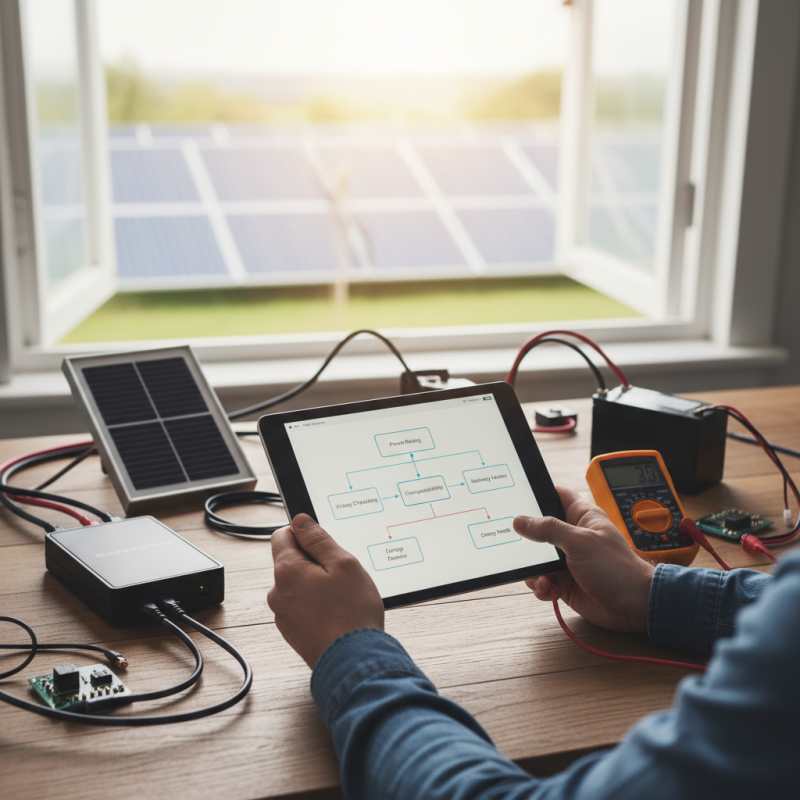
Choosing the right Solar MPPT controller for your system is crucial. It plays a significant role in optimizing your solar energy. Understanding how these controllers work helps in making an informed decision.
You need to consider the power rating. This must match your solar panel output. A mismatch can lead to inefficiencies. Look into the voltage compatibility too. An incorrect voltage can damage your system. Pay attention to features, such as monitoring capabilities. Advanced models offer data tracking.
Reflect on your energy needs. Not every situation requires a top-of-the-line controller. Sometimes, simpler options suffice. Yet, you might miss out on greater efficiency. Make a list of your priorities. Evaluate your options carefully. Each choice has its pros and cons. Weigh them against your specific requirements.
Understanding the Functionality of Solar MPPT Controllers
Solar MPPT controllers are crucial for maximizing energy efficiency. They optimize the power output from solar panels under varying conditions. This function is vital, especially when sunlight intensity fluctuates. Without a reliable controller, solar systems may underperform.
These controllers adjust the electrical operating point. This means they can find the best voltage and current combination. They also prevent battery overcharging, extending battery life. It's interesting how a small device can make a noticeable difference. Yet, many users overlook their importance.
When selecting an MPPT controller, consider the panel’s wattage and voltage. You might need to reflect on your energy needs. The right controller can significantly impact your system's performance. However, choosing could be daunting. You may feel overwhelmed with options and specifications.
Key Factors to Consider When Selecting an MPPT Controller
Choosing the right solar MPPT controller can be daunting. You need to consider power rating, voltage compatibility, and efficiency. A good controller maximizes energy harvest from solar panels. Look for one that matches your solar array specifications. Ensuring it can handle the voltage and amperage is crucial. Otherwise, you may end up with damage over time.
Efficiency matters. High efficiency means more power conversion from solar to usable energy. However, some controllers may claim high efficiency but fail under real-world conditions. Research is essential. Check reviews and user experiences. Look for features like temperature compensation and overload protection. These can enhance performance and longevity.
Space plays a role too. Some controllers require more installation space. Ensure you have ample room in your setup. Also, pay attention to the ease of installation. A complicated setup may lead to errors. Installation mishaps can cause inefficiencies. Take your time. Analyze your unique requirements before making a decision. Balancing these factors can lead to a more effective solar energy system.
Comparing MPPT Controllers: Efficiency, Cost, and Features
When selecting a solar MPPT controller, efficiency is key. Look for models with high conversion rates. Efficiency impacts the overall energy harvested. A controller that converts more energy from the solar panels translates to more power for your system. Pay close attention to data. Charts and specifications often reveal the truth behind efficiency claims.
Cost also plays an important role. You might find cheaper options, but they often skimp on features. Don’t just compare prices. Consider what you get for your investment. Many controllers might lack essential functions like advanced monitoring or overload protection. Evaluate what features matter to you.
Features are diverse across different controllers. Some offer mobile app connectivity, while others may not. Think about your needs before making a choice. Do you need precise monitoring? Or is basic performance sufficient? Reflecting on these questions can greatly influence your decision. Be aware that choosing the wrong controller could lead to underperformance. So, take your time and assess what matters most.
Comparing MPPT Controller Efficiency, Cost, and Features
Sizing Your MPPT Controller Based on System Requirements
Choosing the right solar MPPT controller is essential for system efficiency. Sizing the MPPT controller correctly is a critical step. According to industry reports, an undersized controller can lead to significant power loss. For instance, using a controller rated for 20A on a 250W system could result in only 85% efficiency.
When determining the size, consider peak power. The controller should manage the maximum output from your solar panels. If your solar array produces 1,200W at peak, a controller rated for at least 30A is advisable. Oversizing can sometimes help avoid efficiency dips during cloudy days. Yet, it introduces other complications. Larger controllers may have higher costs and might require more complex setups.
Usage patterns and battery capacity also matter. A small system may not need a high-capacity controller if usage fluctuates. In contrast, if the system powers critical appliances, prioritize a reliable, larger controller. Misjudging these aspects can leave users with inefficiencies. Many find they overestimate needs but still end up with frequent underperformance. Regularly analyzing the system's data can reveal if adjustments are necessary.
Integration with Other Solar System Components for Optimal Performance
Choosing the right solar MPPT controller is crucial. It ensures efficient energy conversion and maximizes the output from solar panels. However, integration with other system components is equally important for optimal performance.
Proper integration involves connecting the MPPT controller, solar panels, batteries, and inverters. A 2022 report by the Solar Energy Industries Association indicates that a well-matched battery and inverter can improve system efficiency by 20%. Selecting components based on current and voltage ratings minimizes energy loss. Misalignment can lead to decreased performance, wasting precious sunlight.
Monitoring systems also play a vital role. They provide real-time data on energy output and battery status. A comprehensive system with a smart monitoring solution can increase energy yield by 15% or more. Yet, many users overlook this aspect. Regularly updating firmware can enhance compatibility and functionality. Neglecting these updates might lead to compatibility issues, impacting your solar system's efficiency.
How to Choose the Right Solar MPPT Controller for Your System?
| Controller Type | Max PV Input Voltage (V) | Max PV Input Current (A) | Battery Voltage Supported (V) | Efficiency (%) | Integration Features |
| Standard MPPT | 100 | 40 | 12/24 | 95 | LCD Display, Bluetooth |
| Advanced MPPT | 150 | 60 | 12/24/48 | 98 | WiFi, Remote Monitoring |
| Smart MPPT | 200 | 70 | 24/48 | 99 | Cloud Services, Alerts |
| Hybrid MPPT | 130 | 50 | 12/24/48 | 96 | Load Management, System Alerts |