How to Choose a High Frequency Power Inverter at Canton Fair 139?
As the 139th Canton Fair approaches, the spotlight on high frequency power inverters intensifies. Leading experts, like Dr. Jane Liu, emphasize the importance of making informed choices in this sector. She states, "Selecting the right high frequency power inverter can significantly enhance efficiency in various applications."
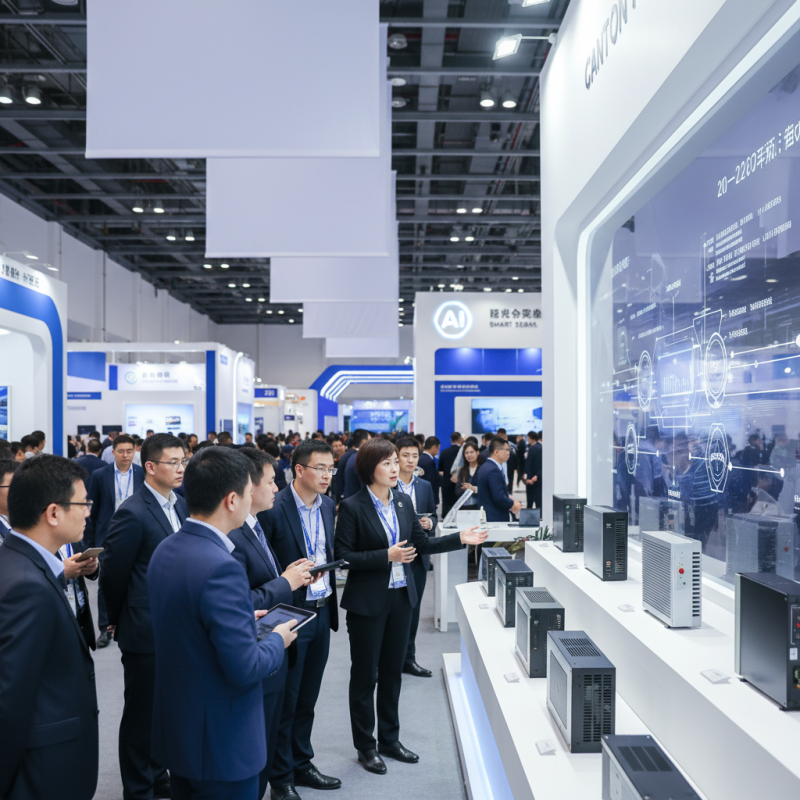
The Canton Fair, scheduled for April and May 2026, will showcase advanced manufacturing and electronic appliances. Many manufacturers will display their cutting-edge high frequency power inverters. With over 1.55 million square meters of exhibition space, navigating this event can be overwhelming. The introduction of AI smart search and navigation will help buyers quickly find qualified suppliers.
However, selecting the right inverter requires careful consideration. Factors like compatibility, efficiency ratings, and features must be assessed. As Dr. Liu notes, "Not all high frequency power inverters are created equal.” Discerning buyers will need to reflect on specific requirements to ensure they choose the best option. The stakes are high, and thorough analysis is essential for optimal performance.
Understanding High Frequency Power Inverters and Their Applications
High frequency power inverters play a crucial role in various applications, from renewable energy systems to telecommunications. They convert DC power to AC power efficiently. Some reports highlight that their efficiency can exceed 95%. This efficiency is crucial for solar panel systems, where every bit of energy counts. These inverters are also compact and lighter than traditional ones, making them ideal for portable uses.
Understanding the applications of high frequency power inverters is essential. They are widely used in off-grid solar systems and backup power solutions. However, not all models are suitable for every application. For instance, a mismatched inverter could lead to inefficiencies or even equipment damage. The market research suggests that 60% of users do not fully grasp the specifications of their inverters. This can lead to costly mistakes.
Moreover, the technology is evolving rapidly. It's not uncommon to find versions lacking essential safety features. While high frequency inverters are efficient, their reliability in extreme conditions can vary widely. Users must research and select models that fit their specific needs. It’s vital to consider factors like load capacity and environmental resilience to avoid potential pitfalls.
Key Features to Consider When Choosing a High Frequency Power Inverter
When selecting a high frequency power inverter, key features matter greatly. Choose an inverter that matches your specific energy needs. Assess the output wattage. A higher wattage supports more devices. Consider the efficiency rating. Look for ratings above 90%. This reduces energy loss and saves on electricity costs.
Examine the input voltage range. It should accommodate your supply, whether 12V, 24V, or more. Compatibility is crucial for smoother operation. Pay attention to the size and weight. A compact design is easier to transport. However, ensure it is durable and robust.
Don’t forget about safety features. Overload protection and short circuit prevention are essential. Inverters with built-in fans tend to run cooler. This can prolong their lifespan. However, it's wise to read reviews. Some units might have noisy fans. Identifying these details helps avoid regret later on. Always ask yourself—what am I willing to compromise? Balancing your budget with quality is key.
Navigating the Canton Fair: Tips for Finding the Right Suppliers
Navigating the Canton Fair can be overwhelming, especially when searching for a high frequency power inverter. You are surrounded by numerous suppliers and products. It's crucial to stay focused on your specific needs. Identify your requirements before the fair. This preparation helps streamline your search process.
One effective tip is to create a list of must-have features for the inverters you want. Consider power capacity, efficiency, and size. Bring along a notebook to jot down key information about each supplier. Pay attention to how they respond to your questions. Are they knowledgeable and friendly? Their attitude can reflect their commitment.
Don’t hesitate to ask for product samples or demonstrations. Seeing the product in action can clarify its capabilities. Take your time visiting different booths. You might find unexpected options that fit your needs better than what you initially considered. Stay open to new ideas while keeping your goals in mind.
Evaluating the Cost-Effectiveness of High Frequency Power Inverters
When attending the Canton Fair, selecting a high frequency power inverter requires careful evaluation of cost-effectiveness. Begin by comparing prices from different vendors. Some might offer cheaper models, but what about quality? It's crucial to assess if lower prices compromise safety or efficiency. A power inverter should efficiently convert DC to AC while maintaining durability.
Consider energy consumption as a key factor. A high frequency power inverter with a low idle power draw saves you money in the long run. Calculate the expected savings over time. Look for warranties and customer reviews to gauge reliability. A well-reviewed inverter can be worth a higher upfront cost.
Yet, it’s vital to reflect on your specific needs. Think about your power requirements and usage frequency. Sometimes, a more powerful inverter isn’t necessary. Balancing your requirements against potential savings can lead to better investments. Remember, the perfect choice may not always exist. Learn as you go, and your decision-making will improve over time.
Best Practices for Testing and Verifying Inverter Performance at Trade Shows
When attending trade shows like the Canton Fair, testing high-frequency power inverters requires attention to detail. Effective testing ensures the inverter performs efficiently under various conditions. According to a recent industry report, over 30% of inverters do not meet their claimed efficiency ratings. This statistic highlights the importance of thorough examination.
Initiate testing by measuring voltage output and load response. Use a reliable multimeter for voltage checks. Ensure the inverter maintains stable output at different loads. Monitoring output waveforms can reveal distortions, which could affect performance. Recent studies show that non-compliance with electrical standards leads to increased equipment failure rates.
Verifying thermal management is critical too. Measure temperature under load and assess cooling mechanisms. Excessive heat can shorten lifespans. Surveys indicate that around 25% of inverter failures relate to overheating. Keep your tests organized and document results meticulously. This practice allows a clearer assessment of the inverter's capabilities and potential areas for improvement.
High Frequency Power Inverter Performance Comparison
This chart displays the performance metrics of various high frequency power inverters based on key attributes such as efficiency, output voltage, and load capacity. Understanding these metrics can help in selecting the right inverter during trade shows.