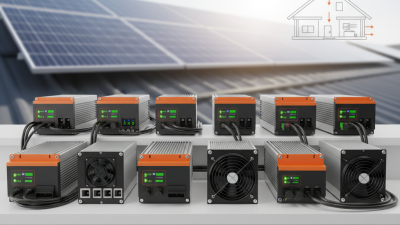
Why Choose a Solar Pump Inverter for Your Water Pumping Needs?
In recent years, the demand for sustainable solutions in water pumping has surged. One prominent technology making waves in this field is the solar pump inverter. According to industry expert Dr. Emily Carter, “Solar pump inverters offer a reliable and eco-friendly way to harness solar energy for irrigation.” This innovative device is designed to efficiently convert solar energy into power for your water pump, providing a cleaner alternative to traditional energy sources.
Solar pump inverters are especially beneficial for remote areas, where access to electricity is limited. They reduce the dependency on fossil fuels and lower operational costs. Yet, many users still underestimate their potential. Common concerns about reliability and installation often arise. However, these systems have proven to be durable and effective when installed correctly.
Investing in a solar pump inverter can significantly enhance efficiency. It minimizes energy waste while maximizing productivity. As we move towards a greener future, embracing such technologies is essential. The journey may come with challenges, but overcoming them paves the way for sustainable water management in various sectors.

Benefits of Solar Pump Inverters Over Traditional Electric Solutions
Solar pump inverters offer significant advantages over traditional electric solutions. They harness solar energy, reducing reliance on grid power. This eco-friendly approach not only cuts electricity costs but also minimizes environmental impact. With solar power, operational costs decrease significantly over time. You can enjoy free energy during daylight hours, providing sustainability for your water pumping needs.
Maintenance is another vital aspect. Solar pump inverters require less upkeep compared to electric systems. Fewer moving parts lead to enhanced reliability. Inverter systems can operate efficiently in remote locations. However, there may be initial installation challenges. Ensuring adequate sunlight and proper positioning is essential for optimal performance.
Unlike traditional systems, solar pump inverters are scalable. They can be adapted to fit various pumping requirements, from small farms to larger agricultural operations. However, the variability of solar energy means planning is crucial. Users must be ready to address changing weather conditions and seasonal challenges. This adaptability makes solar technology a compelling choice for those looking to invest in long-term solutions.
Cost-Effectiveness of Solar Pump Inverters in Long-Term Water Supply
Solar pump inverters are becoming a popular choice for water pumping needs. They provide an eco-friendly solution powered by solar energy. One major advantage lies in their cost-effectiveness for long-term use. Over time, they can significantly reduce energy expenses. As conventional energy prices rise, solar pump inverters remain stable, offering financial predictability.
Investing in a solar pump inverter can lead to substantial savings. Initial installation costs can be high, but consider long-term savings. A solar system often pays for itself within a few years. It’s crucial to assess the total cost of ownership, not just the upfront price. Look at maintenance costs and energy savings over the inverter's lifespan.
**Tips**:
1. Evaluate your average water needs before choosing a system.
2. Regularly check the inverter and panels for optimal performance.
3. Consider battery storage for cloudy days or high-demand periods.
Water supply reliability is key. Solar pump inverters can enhance this reliability, even in remote regions. However, some users report issues with inadequate sunlight. It's important to assess your location’s solar potential. Adaptation, like adjusting for seasonal sunlight changes, may be necessary.
Why Choose a Solar Pump Inverter for Your Water Pumping Needs?
| Parameter |
Traditional Pump Inverter |
Solar Pump Inverter |
| Initial Investment Cost |
$1,500 |
$2,000 |
| Annual Energy Cost |
$800 |
$200 |
| Lifespan |
10 years |
20 years |
| Maintenance Cost (Annual) |
$150 |
$100 |
| Return on Investment (ROI) |
5% |
20% |
| Environmental Impact |
High (fossil fuels) |
Low (renewable energy) |
Environmental Impact of Using Solar Pump Inverters for Water Pumping
Solar pump inverters offer a sustainable solution for water pumping needs, significantly benefiting the environment. By harnessing solar energy, they reduce reliance on fossil fuels. This shift helps lower greenhouse gas emissions and combat climate change. Implementing solar technology can cut energy costs drastically. Many communities rely on water for irrigation and daily living. Using solar-powered systems can provide uninterrupted water supply, even in remote areas.
However, using solar pump inverters requires consideration. Not all locations receive ample sunlight year-round. Seasonal variations can impact performance and efficiency. Additionally, the initial setup cost may be higher than traditional systems. It's essential to assess the specific needs of each site. Regular maintenance of solar systems is crucial to ensure long-term performance. Neglecting this can lead to inefficiencies and increased costs in the long run. Balancing the benefits with these challenges is vital for a sustainable approach.
Environmental Impact of Solar Pump Inverters for Water Pumping
This chart illustrates the environmental benefits of using solar pump inverters for water pumping. The data indicates the reduction in carbon emissions, the amount of water saved, energy savings, and cost savings, showcasing the significant positive impact of solar technology on sustainability and resource efficiency.
Efficiency Metrics: How Solar Pump Inverters Optimize Water Usage
Solar pump inverters play a crucial role in optimizing water usage for various applications. These inverters convert solar energy into electricity, providing a sustainable power source for water pumps. According to a recent report by the International Renewable Energy Agency (IRENA), solar technologies can reduce operational costs by up to 80% compared to fossil fuels. This significant saving is attracting farmers and industries aiming for efficiency.
One of the efficiency metrics is the ability to adjust water flow based on solar energy availability. This dynamic response ensures that water delivery matches the energy generated. In areas with unpredictable sunlight, conventional systems often waste valuable resources. Solar pump inverters, however, continually adapt, optimizing performance even on cloudy days. The U.S. Department of Energy notes that these systems can maintain up to 95% efficiency under varying conditions.
Moreover, solar pump inverters contribute to environmental sustainability by reducing carbon footprints. A comprehensive analysis by the Global Solar Council revealed that widespread adoption of solar technology in agriculture could cut greenhouse gas emissions by 1.4 gigatons annually. This reflects the potential for solar inverters to support both economic and ecological goals. Nonetheless, the initial installation costs may pose challenges for some. It's essential for users to evaluate both short-term investments and long-term benefits carefully.
Key Features to Consider When Selecting a Solar Pump Inverter
When selecting a solar pump inverter, there are key features to consider.
Efficiency is paramount.
A high-efficiency inverter can significantly reduce energy waste. For instance, according to the Solar Energy Industries Association (SEIA), systems with efficient inverters can achieve energy savings of up to 30%. Look for inverters that convert DC to AC power effectively, ensuring maximal performance from your solar panels.
Tip: Review the inverter’s performance rating. Ideally, you want an inverter that operates above 90% efficiency under varying conditions. Durability is another essential feature. Inverters exposed to harsh environments should have good IP ratings for dust and moisture resistance. A reliable inverter can last 10-15 years, minimizing replacement costs.
Consider the inverter's compatibility with your pump. While many inverters work with various pump types, ensure it can handle your specific needs. Data from recent industry reports indicate that mismatched components can lead to 25% inefficiency.
Tip: Research and compare models before making a choice. Look for user reviews and performance reports. This provides insight into real-world functionality and areas needing improvement. Understanding these factors can help you make an informed decision.