How to Choose the Right Solar Pump Inverter for Your Needs?
Choosing the right solar pump inverter can greatly impact the efficiency of your solar pumping system. The global solar pump inverter market is expected to grow significantly. According to a report by Grand View Research, the market is projected to reach $1.5 billion by 2027. This growth reflects the increasing demand for sustainable energy solutions.
Dr. Emma Clarke, a leading expert in renewable energy technologies, emphasizes, "Selecting the right solar pump inverter is crucial for maximizing energy efficiency." The right inverter ensures optimal performance and longevity of your solar pumping system. It can affect everything from water flow to energy consumption.
However, not all inverters fit every need. Picking the wrong one can lead to inefficiencies and increased costs. It's essential to evaluate your needs carefully. Take time to consider factors like power output, voltage, and system compatibility. Many buyers overlook these details. Making an informed choice can prevent future headaches. The importance of a good solar pump inverter cannot be overstated.
Understanding Solar Pump Inverters: Key Features and Functions
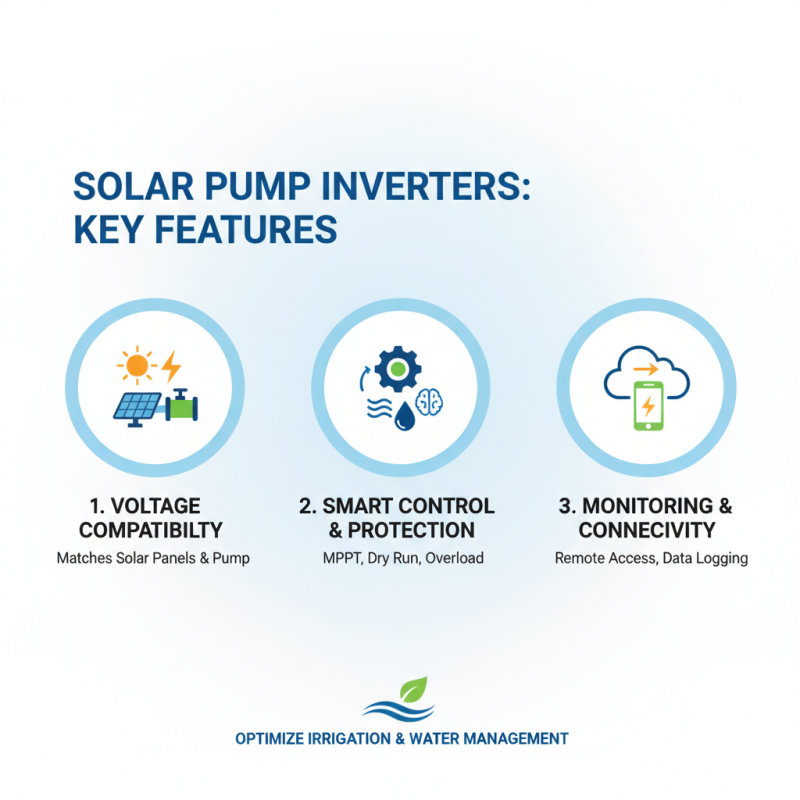
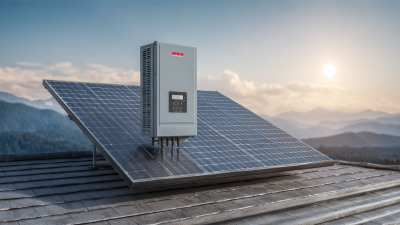
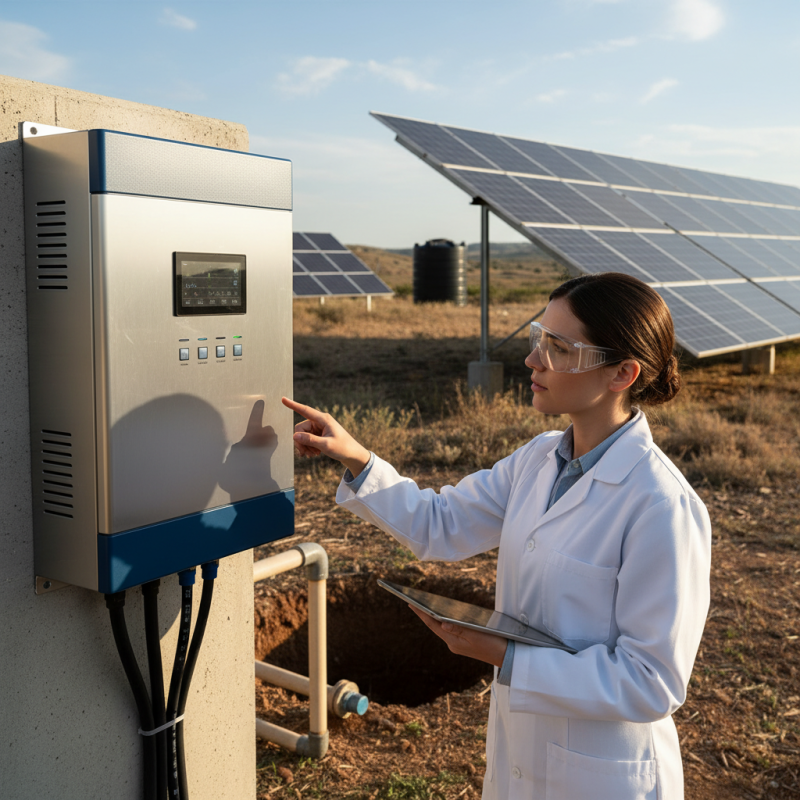
Solar pump inverters play a crucial role in optimizing solar energy for irrigation and water management. They convert direct current (DC) from solar panels into alternating current (AC) required for pump operation. Understanding their key features can help users make informed choices. Firstly, voltage compatibility is essential. Ensure the inverter matches the solar panels and the pump’s requirements. An inverter with a range of voltage settings can provide flexibility.
Another critical aspect is efficiency. Look for inverters with high efficiency ratings. They reduce energy losses during the conversion process. Some inverters offer advanced features like maximum power point tracking (MPPT). This technology optimizes the energy harvested from solar panels. However, sometimes, these advanced features may come at a higher upfront cost.
Users should also consider monitoring capabilities. Inverters with built-in monitoring systems allow for real-time performance tracking. This can help identify issues quickly. However, complexity in setup might be a concern for some. Understanding all features can be overwhelming. Each user’s needs are different, so careful assessment is key.
Assessing Your Power Needs: Calculating Flow Rate and Head Requirements
When choosing a solar pump inverter, understanding your power needs is essential. Start by calculating the flow rate. This is how much water your system must deliver. Measure this in gallons per minute (GPM) or liters per second (L/s). Consider peak usage times. Do you need high flow rates during specific hours? This could impact your choice of inverter.
Next is head requirement. This refers to the vertical distance the water must travel. It is measured in feet or meters. Evaluate the total lift needed from the water source to its destination. Account for additional factors, such as friction loss in the pipes. Such details matter more than you might think. Ignoring them could lead to underperformance.
Some may overlook seasonal variations. Certain times of the year may affect flow and head. Water sources can change, so be prepared for fluctuations. Reflect on your unique situation. Ask yourself if your calculations are accurate and complete. Minor adjustments can lead to significant changes in efficiency. Don’t hesitate to revisit your figures and reassess your needs regularly.
Evaluating Efficiency: Comparing Inverter Types and Their Performance Ratings
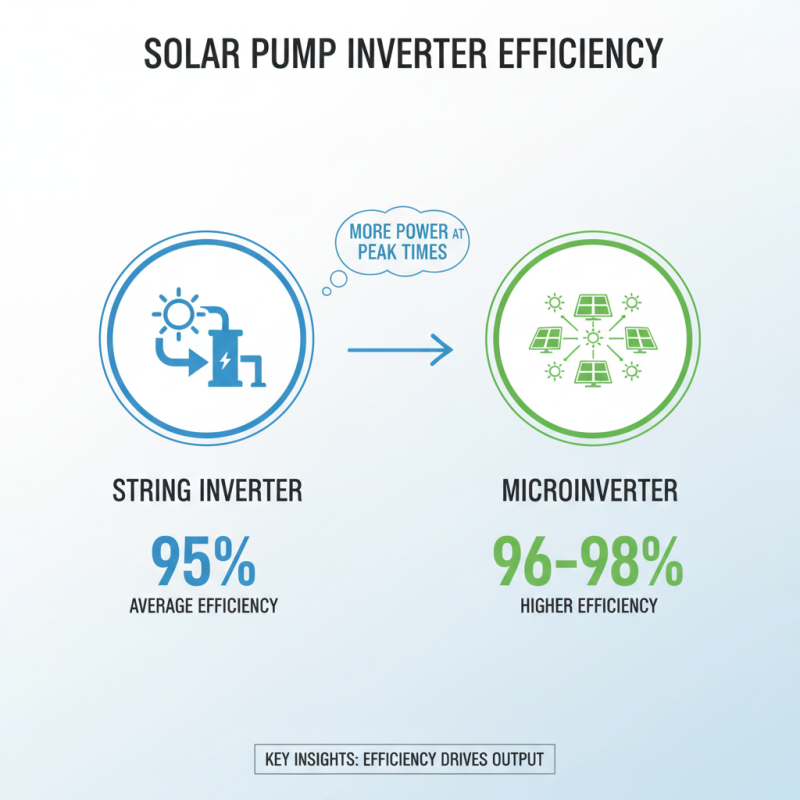
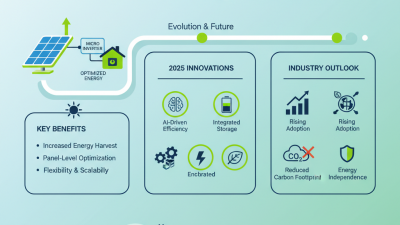
Choosing the right solar pump inverter involves analyzing various inverter types and their performance ratings. Efficiency is crucial. Reports indicate that traditional string inverters have an average efficiency of about 95%. In comparison, microinverters can achieve efficiencies between 96% and 98%. This higher efficiency often translates to more power generated at peak times.
When considering inverter types, it's essential to evaluate how they handle shading. For instance, microinverters perform better in shaded conditions compared to string inverters. This is due to their ability to optimize each panel's output individually. In shaded scenarios, string inverters may drop performance significantly, sometimes by 20% or more. Understanding these differences helps in making informed decisions tailored to unique site conditions.
Another factor is the inverter's impact on the overall system lifespan. High-quality inverters can last from 5 to 15 years, while lower-quality options might fail sooner. The warranty period can be indicative of the manufacturer's confidence in the product. Ideally, look for a warranty of 10 years or more. These aspects are critical for sustainable operation and long-term savings. Careful evaluation of these elements can guide you in selecting the best inverter for your solar pump system.
Installation Considerations: Selecting Compatible Components for Your System
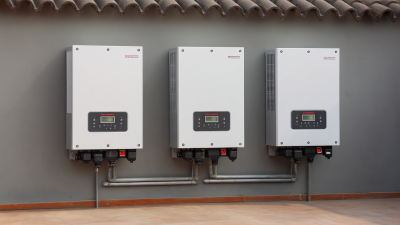
When selecting components for a solar pump inverter system, compatibility is crucial. The inverter must match the specifications of your solar panels and pump motor. Check the voltage and power ratings. Mismatched components can lead to inefficiencies. Overloading an inverter can damage it, while underloading can waste energy.
Pay attention to the inverter's input and output capabilities. Ensure it can handle the expected energy load. Some users overlook environmental factors. Extreme temperatures can affect performance. Ensure the inverter is rated for your climate. Install it in a sheltered area to avoid overheating and other issues.
Consider wiring sizes and connections as well. Using inadequate wires can lead to energy loss. Think also about safety features. A good inverter will have protections against surges and faults. Ignoring these details can lead to costly repairs and system failures. Planning ahead is always wise.
Comparison of Solar Pump Inverter Options
Maintaining Performance: Tips for Long-term Care of Solar Pump Inverters
Maintaining the performance of solar pump inverters is crucial for ensuring their longevity. Regular inspections should be a part of your maintenance routine. Dust and debris can build up on the inverter, causing it to overheat. According to industry reports, inverters can lose up to 20% of their efficiency if they are not cleaned regularly. Keeping the inverter free from obstructions can help maximize its performance.
Cooling is another vital aspect of maintenance. Inverters operate optimally within specific temperature ranges. Operating above these limits might lead to failure. The International Renewable Energy Agency (IRENA) notes that maintaining the right cooling mechanisms can extend the lifespan of solar pump inverters substantially. It’s important to review the installation location. Shading or heat from nearby structures can dramatically impact efficiency.
Lastly, monitoring performance metrics can reveal underlying issues. For example, a sudden drop in output could indicate a malfunction. Regularly checking performance data against expected output helps catch problems early. Remember, maintaining an inverter is not always straightforward. Sometimes, the solutions might seem elusive. Being proactive can prevent costly repairs or replacements down the line.