How to Choose the Best Transparent Led Display for Your Needs?
Selecting the right Transparent LED Display can be a daunting task. This technology has rapidly transformed the advertising and display industries. According to a leading expert in the field, Dr. Jennifer Lee, “The magic of Transparent LED Displays lies in their ability to blend seamlessly with any environment.” Her insight highlights the importance of choosing displays that fit your needs perfectly.
When considering a Transparent LED Display, think about your specific requirements. Are you aiming for high visibility in bright spaces? Or do you prefer a design that integrates well into glass structures? Each application demands a unique approach. Transparency levels, resolution, and brightness are crucial factors. However, the variety of options can be overwhelming.
It's essential to reflect on your long-term goals. Some features may seem attractive but may not be necessary for your use case. For instance, investing in high-end models might pay off in the long run, but only with proper research. Examining each available option will ultimately enhance your display strategy and ensure a satisfying choice.
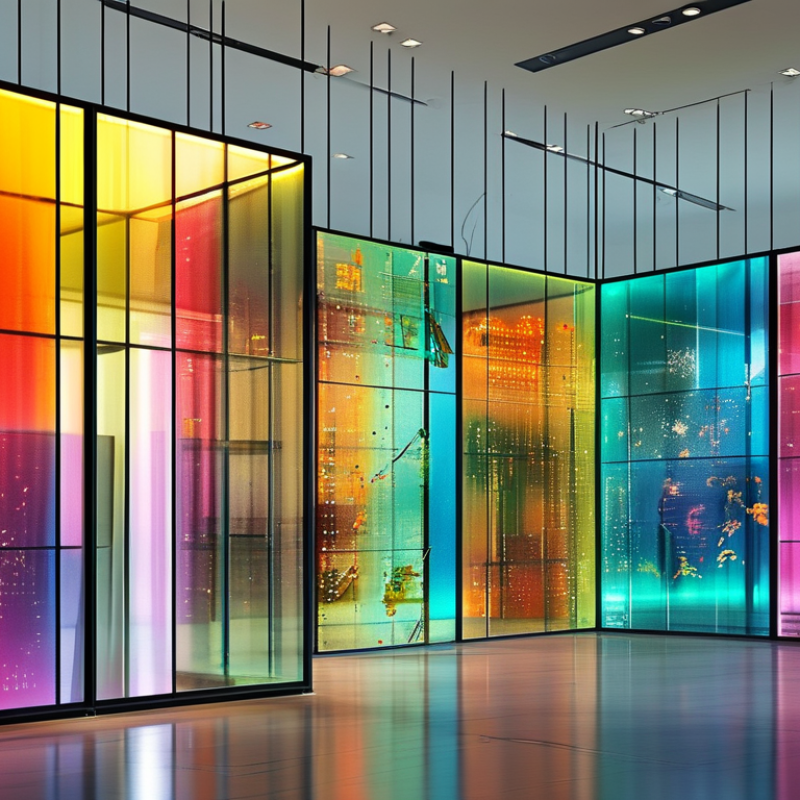
Understanding the Basics of Transparent LED Displays
Transparent LED displays are gaining traction in various industries. They offer a unique way to showcase content while maintaining visibility through the screen. According to industry research, the global transparent display market is expected to reach over $2.5 billion by 2025, highlighting their increasing importance in advertising and retail.
Understanding the technical aspects of these displays is crucial. Transparent LED displays typically feature a pixel pitch ranging from 2mm to 10mm. A finer pitch allows for better resolution, making them suitable for high-end applications. Transparency levels can reach over 80%, depending on the design. This feature enables businesses to create immersive experiences without obstructing views.
Installation is also a key consideration. The weight and thickness of the displays can affect the structural requirements. Many transparent displays are lightweight, making them easier to install in various locations. However, it’s essential to ensure that the support structures can handle these screens without compromising safety. Regular maintenance is necessary, as dust and environmental factors can impact performance over time. Understanding these elements allows businesses to make informed decisions tailored to their specific needs.
Key Factors to Consider When Choosing a Transparent LED Display
When selecting a transparent LED display, the first factor to consider is the viewing distance. Displays designed for close interaction differ from those meant for large audiences. Analyze where viewers will stand or sit. This will affect the pixel pitch and clarity. Smaller pixels suit close viewing, while larger pixels work better for distance.
Brightness is another critical element. Because transparent LED displays often rely on ambient light, ensure sufficient brightness for clear visibility. Evaluate the lighting conditions of the installation site. If it's too bright, visibility may suffer. Conversely, in dim areas, a less bright display could suffice.
Durability is vital for outdoor applications. Transparent displays must withstand weather elements while maintaining performance. Research materials and construction quality. Consider the potential impact of environmental factors. Displays may require maintenance over time. It's essential to have a plan for regular checks to ensure functionality remains high. Be mindful of these aspects to make a more informed choice.
Comparing Different Types of Transparent LED Displays
When comparing different types of transparent LED displays, it's crucial to consider their construction and functionality. Layered models feature a distinct structure that allows for better visibility with bright environments. These formats are perfect for retail spaces, where shoppers should see promotions clearly without blocking the view. They're effective, but setting them up can be tricky, often requiring professional assistance.
Another popular option is the ultra-thin transparent displays. These have a sleek design that blends seamlessly into modern aesthetics. They offer a high level of transparency, making them ideal for museums or art galleries. However, they may not deliver the same brightness as traditional LED displays. Users must weigh the importance of visibility versus design appeal.
Finally, the pixel pitch of transparent LED displays significantly impacts image quality. A tighter pixel pitch provides sharper images, essential for detailed graphics. Nonetheless, higher pixel density can lead to increased costs. Choosing the right balance between price and quality is often a challenging decision for many buyers. Examining these factors helps ensure that the selected display effectively meets specific visual needs.
How to Choose the Best Transparent Led Display for Your Needs? - Comparing Different Types of Transparent LED Displays
| Display Type | Transparency (%) | Brightness (nits) | Resolution (pixels/m²) | Application |
| Standard Transparent LED | 80% | 3000 | 960 x 960 | Retail Displays |
| Curved Transparent LED | 75% | 2500 | 800 x 800 | Exhibition Stands |
| High Brightness Transparent LED | 85% | 5000 | 1280 x 1280 | Outdoor Advertising |
| Ultra Lightweight Transparent LED | 70% | 2000 | 640 x 640 | Window Displays |
| Interactive Transparent LED | 80% | 4000 | 1280 x 960 | Smart Retail |
Assessing Your Space and Installation Needs for Transparent Displays
When selecting a transparent LED display, evaluating your space is crucial. Start by measuring the area where you intend to install the display. Consider factors like wall height, width, and depth. A tall ceiling may allow for larger screens, while a compact area requires a more tailored solution. Aim for balance; the display should be prominent but not overwhelming.
Next, think about the installation environment. Is it a bright space? Natural light can impact visibility. You might need a display with high brightness levels. Also, consider your audience's viewing angles. Will the display be seen from multiple directions? This may influence the type of transparent display you choose. Invest time in understanding these details.
Lastly, reflect on how the display will integrate with your existing décor. It should enhance the space, not clash with it. Transparency levels can vary widely. Some displays might look better in certain settings. If you find options overwhelming, seek expert advice. They can point out features you might overlook.
Assessment of Transparent LED Displays for Different Spaces
Budget Considerations for Purchasing Transparent LED Displays
When considering the purchase of a transparent LED display, budget is a crucial factor. Transparent LED displays come in various price ranges. The cost often reflects the quality, size, and technology used. Assessing your budget early in the process can save you from overspending or compromising on important features.
It's essential to list your requirements. Determine the display's size and resolution you need. Higher resolution displays offer better clarity but come at a premium. You may find yourself tempted by advanced features, yet they can quickly inflate your budget. Identify what you truly require versus what is nice to have.
Tips to keep in mind:
Set a maximum budget. Stick to it and avoid impulse purchases.
Consider total ownership costs. Installation fees and maintenance can add up.
Evaluate financing options if necessary. Some suppliers can offer flexible payment plans.
Always research and compare different options. Look for trustworthy reviews or testimonials. Understanding the market helps you make an informed decision. A well-considered budget will lead you to a suitable transparent LED display for your needs.