How to Choose the Best Solar Power Inverter for Your Needs?
Choosing the right solar power inverter is crucial for maximizing your solar energy system's efficiency. "A solar power inverter must match your specific needs and energy goals," says John Thompson, a renowned expert in renewable energy systems. His insights emphasize the importance of understanding the different types of inverters available.
Solar power inverters come in various styles: string inverters, microinverters, and power optimizers. Each type offers distinct benefits and drawbacks. The right choice depends on your installation setup and budget. Additionally, considering the warranty and customer service options is essential. A reliable option can save you from future headaches.
Many buyers overlook their energy requirements. These specifics can heavily influence your inverter choice. Also, the efficiency ratings can vary significantly. It is wise to research and consult experts to avoid costly mistakes later. Remember, the best solar power inverter is one that fits your goals and optimizes your investment.
Understanding Solar Power Inverters and Their Functions
Solar power inverters play a crucial role in harnessing solar energy. They convert the direct current (DC) produced by solar panels into alternating current (AC), which is used in most household appliances. Understanding this process is vital for optimizing your solar energy system. Many people overlook the inverter's importance, but it's essential for efficiency.
When selecting an inverter, it's important to consider its efficiency rating. A higher rating means less energy loss during the conversion process. Additionally, compatibility with your solar panel system is key. Not all inverters work with every panel type. Also, consider the inverter's capacity; it should match your energy needs to avoid overloading or underperforming.
Another factor to reflect on is the inverter's location. Some inverters perform better in specific conditions, like shaded areas or extreme temperatures. It's also important to think about the warranty and after-sales support. Manufacturers with a strong reputation often provide more reliable service. A durable inverter can last 10 to 15 years, but maintenance varies. Regular checks can help prevent issues, ensuring consistent power generation.
Comparison of Different Types of Solar Power Inverters
Types of Solar Power Inverters and Their Applications
When selecting a solar power inverter, understanding the different types is essential for maximizing efficiency. There are three main types of solar inverters: string inverters, microinverters, and power optimizers. According to the International Energy Agency (IEA), string inverters dominate the market, accounting for about 80% of installations. They are ideal for small to medium-sized systems and are cost-effective. However, they can struggle with shade issues that may impact energy production.
Microinverters offer a more advanced solution. They are installed on each solar panel, allowing individual optimization. This means even if one panel is shaded, the others retain peak performance. The IEA notes that microinverters are gaining traction in residential applications, with a growing market share due to their reliability and efficiency. Meanwhile, power optimizers combine the benefits of both systems. They work with string inverters but optimize the output of each panel.
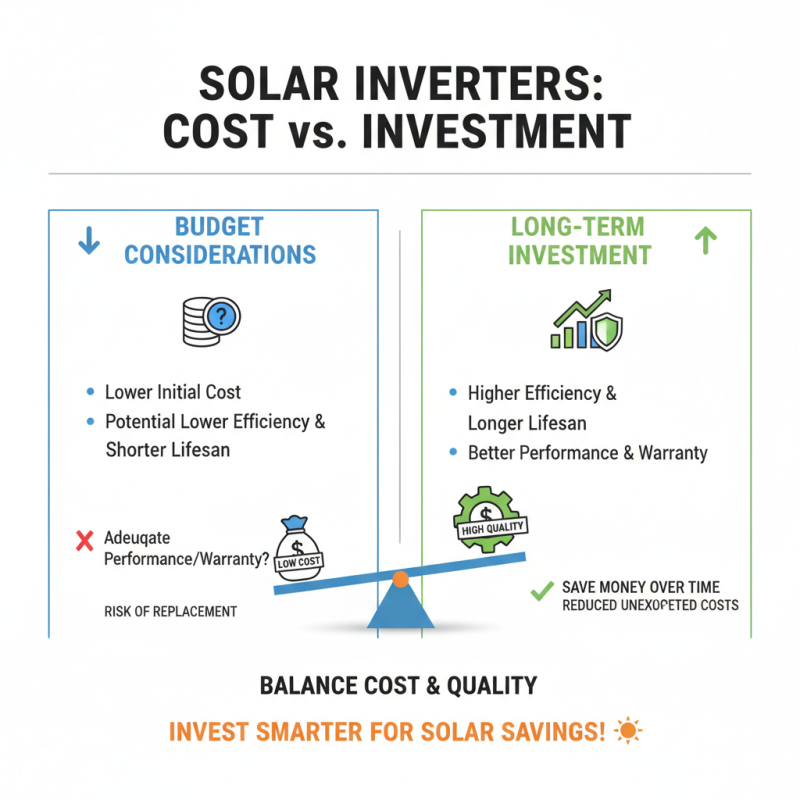
Tips: Consider your roof layout. If you have shading, opt for microinverters or power optimizers. Evaluate your energy needs and future plans before choosing. Also, be mindful that while upfront costs differ, the long-term savings from efficient systems can balance the initial investment. It's worth asking for expert advice to ensure your choice aligns with your usage goals.
Key Features to Consider When Selecting an Inverter
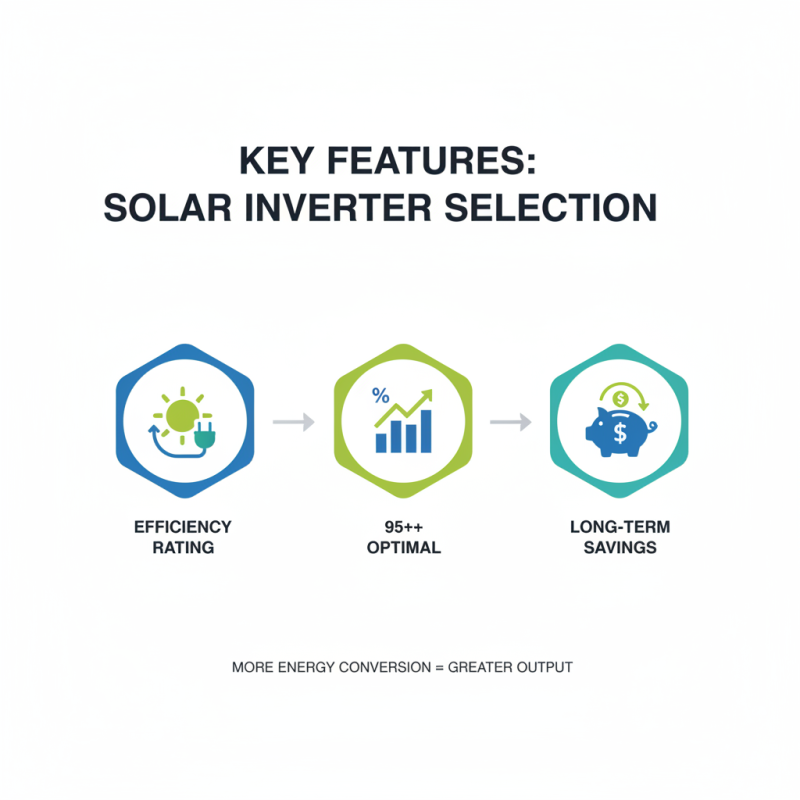
When selecting a solar power inverter, several key features must be examined closely. The efficiency rating stands out. Higher efficiency means more energy conversion from solar panels. Aim for an inverter with at least a 95% efficiency. This choice impacts your long-term savings and energy output.
Another crucial factor is the inverter's type. There are three main types: string, micro, and power optimizers. String inverters are common and cost-effective. They work well for uniformly oriented panels. However, micro inverters shine in diverse setups. They allow each panel to operate independently. If your rooftop has shading issues, micro inverters could be your best bet.
Tips: Consider future expansion. You may want to add more panels later. Ensure the inverter can handle increased capacity. Also, evaluate the warranty. A longer warranty often signals a credible product. Lastly, check for monitoring features. Real-time data helps in tracking performance and maintenance needs. Understanding these features enables better decision-making, although it may seem overwhelming at first. Taking the time to research can pay off significantly in energy savings down the line.
Evaluating Inverter Efficiency and Performance Ratings
When it comes to choosing a
solar power inverter,
efficiency and performance ratings matter significantly. The efficiency rate indicates how much solar energy is converted into usable electricity. A high-efficiency inverter can exceed 90%, according to industry reports. This not only maximizes energy output but also reduces your overall costs. Even a small difference in efficiency can impact your electricity bill.
Performance ratings are equally important. Inverters are often rated based on their performance under different conditions. For example, the California Energy Commission’s reports highlight that some models excel in
partial shading while others do not. Understanding these ratings can help you select the right product for your specific environment.
While many inverters boast high efficiencies, real-world performance may vary. Installation issues, temperature fluctuations, and maintenance can reduce effectiveness. Some users report that their inverters perform below expected levels due to these factors. It’s crucial to address installation quality and consider ongoing maintenance to ensure the inverter operates optimally. Therefore, look beyond just the numbers.