How to Choose the Best Micro Inverter Solar System for Your Home
As the demand for renewable energy sources continues to rise, homeowners are increasingly looking to solar power as an effective solution for their energy needs. Selecting the right solar system is crucial, and the micro inverter solar system has emerged as a popular choice due to its efficiency and scalability. According to Dr. Emily Carter, a leading expert in solar technology, "The micro inverter solar system allows for maximum energy production by optimizing each panel's performance individually." This feature is particularly advantageous in residential settings where shading and varying panel orientations can affect energy output.
When choosing a micro inverter solar system, homeowners should consider factors such as system compatibility, installation requirements, and performance monitoring capabilities. Understanding these elements can greatly influence the overall efficiency and effectiveness of the solar energy system. Additionally, learning about the benefits and potential drawbacks of utilizing micro inverters versus traditional string inverters can empower homeowners to make informed decisions tailored to their specific energy needs and home layout.
Ultimately, embracing the micro inverter solar system not only enhances energy production but can also contribute to long-term savings and environmentally sustainable living. As we delve deeper into the intricacies of selecting the best micro inverter solar system for your home, it’s essential to weigh all factors methodically to ensure a successful transition to solar energy.

Benefits of Micro Inverter Systems vs. Traditional Inverter Systems
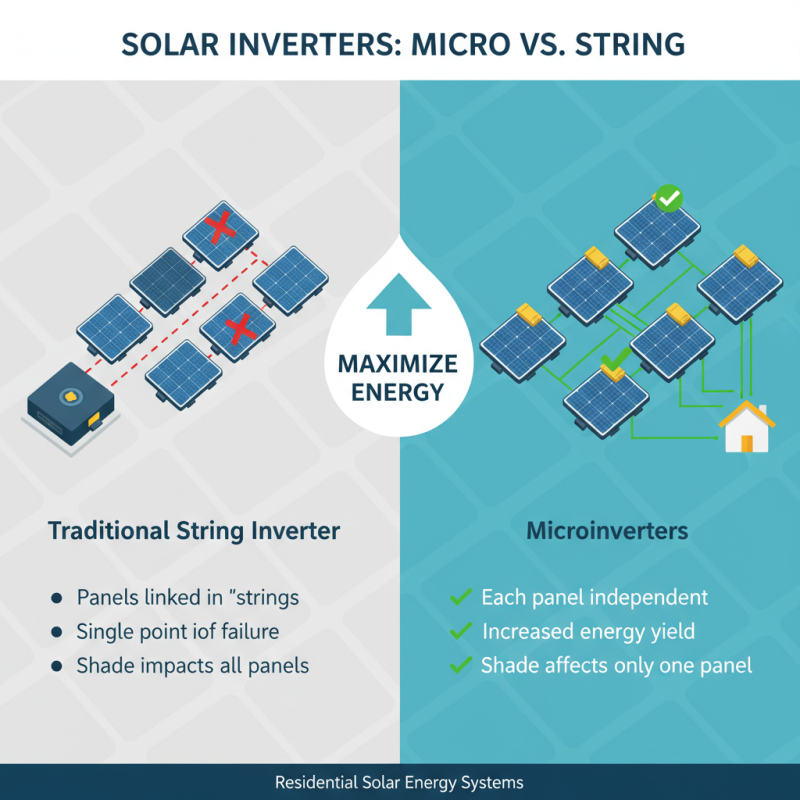
When considering solar energy systems for residential use, micro inverters offer distinct advantages over traditional inverter systems. One of the primary benefits of micro inverters is their ability to maximize energy production. Unlike centralized inverter systems that rely on the performance of the least efficient panel in a string, micro inverters enable each solar panel to operate independently. This means that if one panel is shaded or experiences a malfunction, it does not significantly impact the overall energy output of the system, leading to better efficiency and higher energy yields.
Additionally, micro inverter systems are typically easier to install and maintain. Their modular design simplifies the installation process, allowing for flexibility in panel placement and configuration. Homeowners can easily expand their solar systems over time by adding more panels with micro inverters, without reconfiguring existing components. Maintenance is also more straightforward, as individual units can be monitored and replaced without affecting the entire system's functionality, enhancing the overall reliability and longevity of the solar setup.
Key Factors to Consider When Choosing a Micro Inverter Solar System
When selecting the best micro inverter solar system for your home, several key factors should be taken into account to ensure optimal performance and longevity. First and foremost, compatibility with your existing solar panels is crucial. Not all micro inverters are designed to work with every type of panel, so checking specifications and consulting with professionals can prevent mismatches that could affect energy production.
Next, consider the energy needs of your household. The capacity of the micro inverter system must align with your electricity consumption patterns. Underestimating your needs may lead to inadequate energy generation, while overestimating can result in unnecessary expenses. Assessing your energy usage over time will help make an informed decision about the size and capacity of the system you should install.
**Tips:**
1. Evaluate installation options and ensure the micro inverter system comes with flexible installation guidelines that suit your roof type and angle.
2. Research the warranty and customer support offered by manufacturers. A good warranty can save you from future costs if the system requires repair or replacement.
Taking these factors into account will help you choose a micro inverter solar system that is efficient and tailored to your home’s unique requirements.
How to Choose the Best Micro Inverter Solar System for Your Home
| Factor |
Description |
Importance (1-5) |
Recommendation |
| Power Output |
Ensure the micro inverter matches the wattage of your solar panels. |
5 |
Choose inverters with higher capacity for optimal performance. |
| Compatibility |
Check if the inverter is compatible with your solar panel type. |
4 |
Review specifications to ensure compatibility. |
| Efficiency Rating |
Look for inverters with a high efficiency rating for better energy conversion. |
5 |
Select those with 95% efficiency or more. |
| Monitoring Features |
Inverters with monitoring capabilities allow for performance tracking. |
4 |
Opt for inverters that offer mobile app support. |
| Warranty |
Long warranties indicate manufacturer confidence in their product. |
5 |
Look for warranties of at least 10 years. |
| Installation Requirements |
Consider ease of installation and necessary additional equipment. |
3 |
Choose systems that are easier to install with fewer components. |
Market Trends: The Growth and Adoption of Micro Inverter Technology
The market for micro inverter technology has seen significant growth in recent years, driven by the increasing adoption of solar energy systems in residential sectors. According to a report by Allied Market Research, the global micro inverter market was valued at approximately $1.5 billion in 2020 and is expected to reach $6 billion by 2027, growing at a CAGR of about 22%. This surge in demand can be attributed to the numerous advantages micro inverters offer, including improved energy harvest, design flexibility, and enhanced monitoring capabilities for homeowners.
As more consumers recognize the benefits of solar energy, the preference for micro inverter systems has risen. A key trend is the shift from traditional string inverters to micro inverters, particularly in regions with partial shading or varying roof orientations. Micro inverters operate independently, allowing each solar panel to perform at its optimal level, which can lead to a more efficient energy generation process overall. Industry studies indicate that micro inverter installations can increase energy output by up to 20% compared to their string counterparts.
When choosing a micro inverter solar system, homeowners should consider factors such as the efficiency ratings of the inverters, compatibility with existing solar panels, and warranty options.
Tips:
- Research local solar incentives and rebates that can help offset installation costs.
- Evaluate the shaded areas of your roof to determine if micro inverters are the best option for maximizing energy production.
- Look for systems that offer robust monitoring tools to track your energy output and system performance easily.
Understanding System Efficiency and Performance Metrics in Micro Inverters
When selecting a micro inverter solar system for your home, understanding efficiency and performance metrics is crucial. Micro inverters typically have efficiency ratings ranging from 95% to over 97%. This metric indicates how effectively the inverter converts solar energy into usable electricity. Higher efficiency ratings lead to better energy production, meaning homeowners can maximize their return on investment. According to a recent report by the National Renewable Energy Laboratory (NREL), homes equipped with micro inverter systems have reported energy yields up to 20% greater than traditional string inverter systems, particularly in scenarios with partial shading or varying roof orientations.
In addition to efficiency, performance metrics such as reliability, durability, and monitoring capabilities also play a significant role in the overall effectiveness of a micro inverter system. Many micro inverters come with integrated monitoring technology that allows homeowners to track energy production in real-time. This data can reveal performance issues promptly, enabling timely maintenance and repairs. Research from the Solar Energy Industries Association (SEIA) indicates that systems with remote monitoring can enhance overall system uptime and efficiency by as much as 10%, providing homeowners with peace of mind and ensuring optimal energy generation throughout the year. Thus, focusing on these operational metrics not only helps in choosing the best micro inverter system but also ensures long-term benefits and energy savings.
Cost Analysis: Initial Investment vs. Long-Term Savings with Micro Inverters
When considering a micro inverter solar system, a critical aspect to evaluate is the cost analysis of initial investment versus long-term savings. Initially, the upfront costs may appear higher compared to traditional string inverters due to the advanced technology and the number of units required. Each solar panel is equipped with its own micro inverter, which leads to increased installation expenses. However, this investment is often justified by the significant benefits it provides.
Over time, micro inverters enhance energy production by optimizing the output of each individual panel, allowing homeowners to maximize their system's efficiency. This technology helps mitigate the impact of shading, dirt, or different panel orientations. As a result, micro inverters can lead to higher energy production, translating into more savings on electricity bills over the years. Additionally, many micro inverter systems come with longer warranties and lower maintenance costs, contributing to overall savings.
In the long run, while the initial investment in a micro inverter solar system may be substantial, the potential for increased energy generation and reduced maintenance can lead to considerable savings, making it a financially beneficial choice for homeowners looking to invest in solar energy.