How to Choose the Best EV Charger for Your Car?
As the popularity of electric vehicles (EVs) continues to rise, the demand for efficient EV chargers grows as well. Selecting the right EV charger for your car can be intimidating. "Choosing the right charger is essential for maximizing your EV's potential," says John Doe, an industry expert in EV charging solutions.
Understanding the specifications of your Ev Charger Car is crucial. Not all chargers are created equal. You need to consider charging speed and compatibility with your vehicle model. Many users often neglect these details, leading to suboptimal charging experiences. Missing these factors can result in frustration over time.
Moreover, installation also plays a significant role. A poorly installed charger may not perform effectively. It's vital to consult a professional to ensure everything is set up correctly. In the evolving landscape of EV technology, making an informed choice is not just beneficial; it’s essential. Informative dialogue around the subject is often overlooked, making discussions with experts valuable.
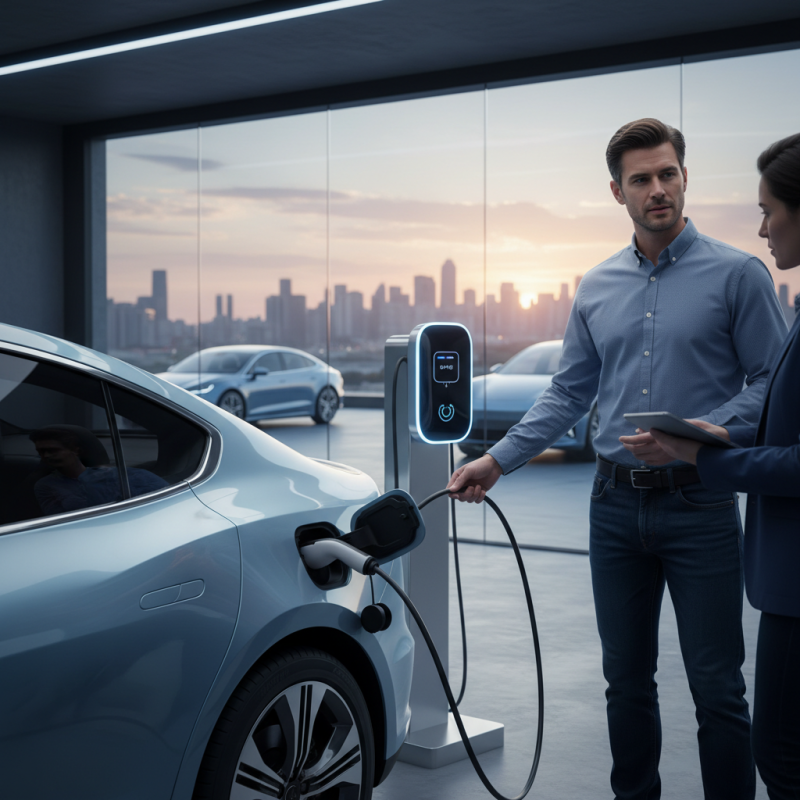
Understanding Different Types of EV Chargers Available in the Market
When selecting the right EV charger, it’s important to grasp the types available today. Level 1 chargers are basic. They plug into a regular wall outlet. Charging takes a long time, often overnight. This option works best for those who drive short distances daily. No fuss, just plug it in and walk away.
Level 2 chargers are more popular. They require a dedicated circuit. These chargers significantly reduce charging time, making them ideal for daily drivers. However, installation can be complicated and pricey. It’s worth comparing installation costs with your budget. A dedicated charging station can boost your home value, but it’s not always feasible.
DC fast chargers are the fastest option. They can charge an empty battery in less than an hour. However, they are less common and often found at public stations. If you’re planning long trips, consider these locations. But fast charging can strain the battery over time, leading to potential issues. Balancing speed and battery health is a crucial consideration.
Assessing Your EV's Charging Requirements for Optimal Compatibility
When choosing the best EV charger, understanding your vehicle's charging requirements is essential. Different EV models have varying capacities. Check your owner's manual to see the charging specifications. Knowing the maximum charging rate for your car helps you select a compatible charger. This ensures you won't overcharge or underutilize the charging capacity.
**Tips:** Consider your daily driving habits. If you drive long distances, you may need a charger with a higher power output. For city commutes, a standard Level 2 charger might suffice. Keep in mind the installation requirements as well. Some chargers require more electrical work, which can add to costs.
Think about where you will install the charger. A garage or a carport can provide shelter from weather elements. Ensure you have sufficient space for installation and maintenance. It’s crucial to think about your future needs too. As EV technology evolves, you might upgrade your car. A versatile charger will be beneficial in the long run. Don't rush this decision; it’s important to reflect on what works best for you.
How to Choose the Best EV Charger for Your Car? - Assessing Your EV's Charging Requirements for Optimal Compatibility
| Charger Type | Charging Speed (kW) | Suitable for | Installation Location | Typical Cost |
| Level 1 Charger | 1.2 kW | Home use, short-range EVs | Home outlet | $300 - $600 |
| Level 2 Charger | 3.3 - 19.2 kW | Home and public charging, medium to long-range EVs | Home garage or public stations | $500 - $1,200 |
| DC Fast Charger | 50 - 350 kW | Commercial use, long-range EVs | Highway stations, commercial areas | $10,000 - $50,000 |
| Portable Charger | 1.2 - 3.6 kW | On-the-go charging for any EV | Anywhere with access to standard outlet | $200 - $800 |
Evaluating Charging Speed and Power Output Options for Your Situation
When choosing an EV charger, charging speed and power output are critical factors. Fast chargers offer 50 kW or more, allowing for quick top-ups. Many EV owners prefer home charging stations with Level 2 chargers, providing around 7.2 kW. This is enough for daily use. According to a recent industry report, over 70% of EV drivers charge at home, highlighting the need for effective charging solutions.
Consider your typical driving needs. If you drive short distances, a lower-powered charger may suffice. However, for longer commutes, a higher-power option is beneficial. Data shows that chargers with 22 kW can fully charge an EV in about 4-6 hours. This could significantly impact daily routines. Yet, not all homes can support such high outputs. Deciding on the right charger can lead to moments of confusion and uncertainty.
Evaluating your power supply is crucial. Some older electrical systems struggle with higher outputs. Upgrading your home’s electrical system can be costly and time-consuming. A common mistake is underestimating one's charging requirements. Reflect on your needs today and in the future. Choose wisely, as the wrong charger can lead to unnecessary frustrations.
Charging Speed Comparison of EV Chargers
Considering Location and Installation Factors for Your EV Charger
When choosing an EV charger, location is critical. If you live in an apartment building, access may be limited. Make sure to check if your home has a garage or dedicated parking space. Having a designated area will simplify installation. The proximity to the electrical panel also matters. A closer distance means lower installation costs and less complex wiring.
Consider your daily driving habits, too. If you drive short distances, a Level 1 charger might suffice. However, if you frequently travel long distances, a faster Level 2 charger is a wiser choice. Examine your home’s electrical capacity. Old wiring can pose challenges. You might need an upgrade. Each installation will vary based on these unique factors.
Don’t overlook the type of surface where the charger will be installed. A concrete surface is more stable than gravel. This can prevent tipping or damage. You may need to navigate building permits in your area. Not every installation goes smoothly. These hurdles can delay your plans. Reflect on these details before making any decisions.
Exploring Smart Charger Features and Connectivity Options for Enhanced Use
As electric vehicles (EVs) become more popular, choosing the right charger is crucial. Smart chargers come equipped with features that enhance user experience. Many models allow remote access through mobile applications. This can help track charging times and costs. According to a report by the International Energy Agency, smart chargers can reduce charging costs by up to 35% through optimized charging schedules.
Connectivity options play a vital role. Wi-Fi, Bluetooth, and cellular connectivity enable real-time monitoring and diagnostics. These features allow users to manage their charging sessions more efficiently. However, not all smart chargers offer seamless connectivity, and some may require frequent troubleshooting. This could lead to frustration for users who expect reliability in all aspects.
Integration with smart home systems is another valuable feature. It allows users to schedule charging during off-peak hours, saving money on electricity bills. However, many users report compatibility issues with existing home automation setups. Always check compatibility before making a decision. The right charger can enhance convenience but requires careful consideration of available features and connectivity options.