China Best Insulated Terminals for Global Buyers What to Know
When considering insulated terminals, global buyers face a complex landscape. China has emerged as a key player in this market, offering a variety of options. Insulated terminals are essential for safe and efficient electrical connections. They protect wires from environmental factors and prevent short circuits.
Buyers need to evaluate quality, materials, and compliance with international standards. Quality assurance is vital. Subpar products can lead to safety hazards. While China offers competitive pricing, reliability is a concern. It's crucial to collaborate with reputable manufacturers. This helps mitigate risks and ensures better performance.
Moreover, understanding specific requirements is important. Different applications call for unique features in insulated terminals. Conducting thorough research will prepare buyers for informed decisions. Engaging with industry experts can provide deeper insights. Ultimately, making the right choices can significantly impact electrical safety and efficiency.
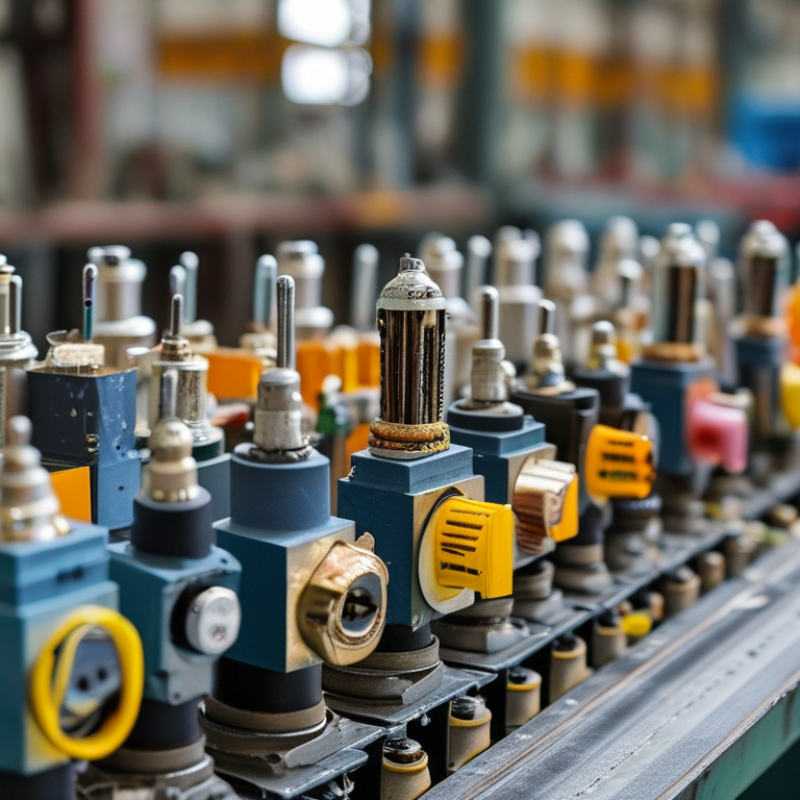
Overview of Insulated Terminals and Their Importance in Electronics
Insulated terminals play a critical role in the electronics industry. They are designed to provide safe electrical connections and protect wires from electrical shorts. According to industry reports, the global demand for insulated terminals is projected to grow by 6% annually. This increase is driven by advancements in automotive and industrial applications.
One of the significant benefits of insulated terminals is their contribution to safety. They reduce the risk of electrical shock and fire hazards. Proper insulation helps prevent accidental contact between conductive parts. A study by market analysts indicates that about 30% of electrical failures in equipment arise from poor connections. This highlights the importance of quality in choosing insulated terminals.
Moreover, various insulated terminal designs cater to specific applications. Sleeve, ring, and spade terminals each have unique characteristics. However, it's worth noting that not all terminals are created equal. Some variations may lead to connection failure if not properly matched to their applications. Continuous improvement and innovation in terminal design are essential to meet evolving industry standards. There is a need for ongoing research to ensure these components perform reliably under different conditions.
Overview of Insulated Terminals Usage in Electronics
Key Features to Consider When Selecting Insulated Terminals
When choosing insulated terminals, there are several key features to keep in mind. Understanding the materials used for insulation can significantly impact the performance and safety of your electrical connections. Common materials like PVC and Nylon have their pros and cons. PVC is cost-effective but may not perform well in extreme temperatures. Nylon, on the other hand, offers higher heat resistance but can be pricier.
Another crucial aspect is the terminal’s rating for current and voltage. According to industry reports, using terminals that exceed specified ratings can lead to failures. Consideration of the environment is essential. For outdoor applications, weather-resistant terminals with proper insulation are vital. In fact, studies show that improperly rated components can increase failure rates by up to 30%.
Lastly, compatibility with wire sizes is important. Not all terminals fit every wire gauge, affecting the overall connection quality. A mismatch can lead to increased resistance. This can, in turn, cause potential overheating or operational issues. Buyers should always verify the specifications. Frequent discussions emphasize the importance of selecting terminals that are reliable and suitable for both short and long-term applications.
Top Manufacturers of Insulated Terminals in China
In recent years, China has emerged as a leading hub for insulated terminal production, attracting global buyers in various industries. The market for insulated terminals is projected to reach approximately $2 billion by 2025, with a CAGR of over 5%, according to industry reports. Many manufacturers in China are enhancing their production capabilities to meet rising international demand.
Top manufacturers in this sector focus on quality and safety. They invest in advanced technologies and materials to produce reliable products. For instance, studies indicate that high-quality insulated terminals can reduce electrical failures and enhance safety in applications. However, some manufacturers still face challenges in maintaining consistent product quality, leading to potential risks in electrical connections.
Research shows that the global market for insulated terminals is becoming increasingly competitive. Buyers must consider factors such as compliance with international standards and certifications. This ensures that the products meet safety regulations. Navigating supplier relationships can be complex, with varying levels of experience and expertise available. Evaluating manufacturers' reputations and testimonials is essential for making informed decisions.
Comparative Analysis of Insulated Terminals for Global Markets
When considering insulated terminals for global markets, it's essential to analyze various aspects closely. Insulated terminals serve as vital components in various electrical applications. They are designed to enhance safety and reliability. However, the performance can greatly vary between manufacturers, especially within China.
One of the critical factors is the insulation material used. Different materials offer varying levels of durability and temperature resistance. Some manufacturers may prioritize cost over longevity, potentially affecting their products' life span. Users should evaluate whether a terminal's insulation can withstand the specific environmental conditions it will face.
Another point to consider is the design of the terminal itself. Compact designs may facilitate easier installation, yet they might compromise on connectivity. Inspecting the overall build quality can reveal much about a terminal's reliability. Customers often discover that visually appealing products don’t always perform well.
Balancing aesthetics with functionality is a common struggle for buyers. Engaging directly with suppliers can provide deeper insights into their manufacturing processes and quality controls.
Future Trends in Insulated Terminal Technology and Applications
The landscape of insulated terminal technology is evolving rapidly. New materials and designs are enhancing both performance and safety. Innovations focus on better insulating properties, improved temperature resistance, and greater durability. These advancements tackle the complex demands of various industries, from automotive to renewable energy.
Emerging applications for insulated terminals are also on the rise. Electric vehicles and renewable energy systems require robust connectivity solutions. There's a noticeable shift towards terminals that simplify installation and improve electrical efficiency. Future designs may integrate smart technology, enabling real-time monitoring of electrical connections.
However, challenges remain. Manufacturers must balance performance and cost. While advanced materials offer superior benefits, they can also drive prices up. The industry needs careful consideration of sustainability as well. Continued innovation must address both environmental impact and growing technical needs. The dialogue around these developments is crucial for a more efficient future in electrical connections.
China Best Insulated Terminals for Global Buyers: Future Trends in Insulated Terminal Technology and Applications
| Terminal Type | Material | Temperature Rating (°C) | Wire Size (AWG) | Application Area | Future Trend |
| Butt Connectors | Tin-Plated Copper | 105 | 22-10 | Automotive, Marine | Increased corrosion resistance |
| Splice Connectors | Copper | 150 | 16-12 | Electrical Systems | Smart connectors with integrated sensors |
| Ring Terminals | Brass | 120 | 14-10 | Industrial Equipment | Enhanced insulation for high voltages |
| Fork Terminals | Aluminum | 85 | 10-8 | Home Appliances | Focus on lightweight solutions |
| Quick Disconnects | Nickel-Plated Copper | 100 | 18-16 | Telecommunications | Modular designs for easier assembly |