2026 Best Solar Panel Inverter Options for Homeowners?
As homeowners increasingly turn to renewable energy, the importance of selecting the right solar panel inverter cannot be underestimated. According to the Solar Energy Industries Association (SEIA), the solar market in the U.S. is projected to grow by 22% annually through 2026. This growth highlights the need for efficient energy conversion equipment.
Solar panel inverters play a critical role in maximizing energy production. They convert direct current (DC) from solar panels into alternating current (AC), which powers homes. A study by Wood Mackenzie indicated that using a high-quality inverter can enhance system performance by over 20%. However, many homeowners overlook this crucial component when investing in a solar setup.
Choosing an inverter requires careful thought. Factors like compatibility, efficiency ratings, and warranty terms matter. A common mistake is selecting based solely on price, rather than quality. Homeowners must reflect on their long-term energy needs. The best solar panel inverter can greatly impact energy savings and system longevity.
Best Types of Solar Inverters for Home Use in 2026
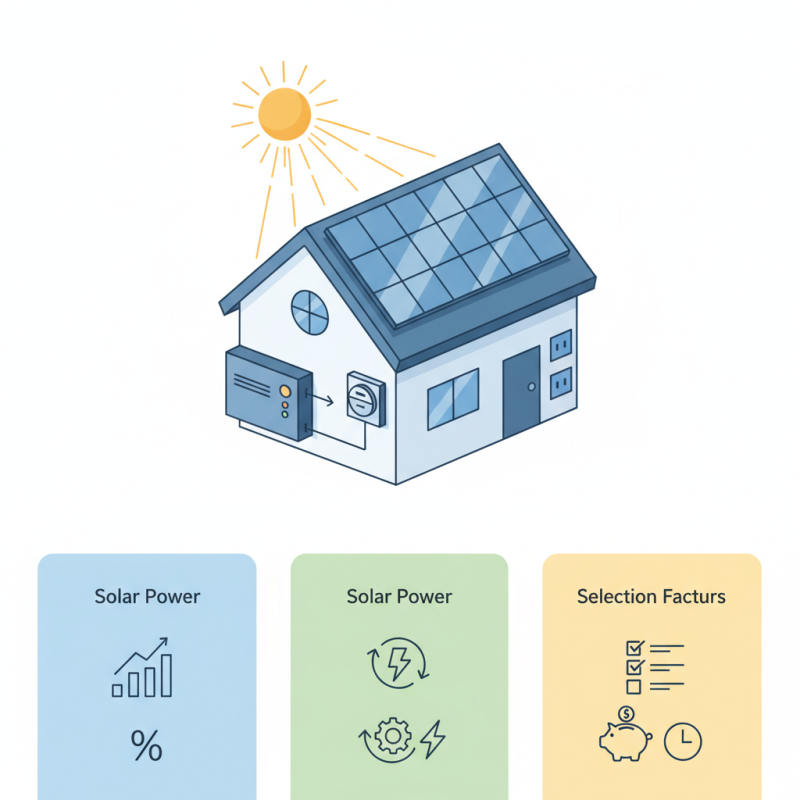
As homeowners look to harness solar energy, understanding the best types of solar inverters becomes crucial. Solar inverters convert the direct current (DC) from solar panels into alternating current (AC) for household use. Several options exist, each catering to different needs and setups. For instance, string inverters are popular for households with a uniform roof orientation. They are simple and cost-effective, but they can be less efficient if your panels face different directions.
On the other hand, microinverters offer enhanced performance. Each panel has its own inverter, allowing for independent operation. This means if one panel is shaded or underperforming, it doesn’t affect the others. However, microinverters can be pricier, and installation may require more time. Power optimizers, another alternative, combine some benefits of both types. They can optimize individual panel performance with a lower cost than microinverters. While these options are appealing, they require careful consideration of your specific installation, roof design, and budget limitations.
New developments in inverter technology continue to emerge, and homeowners should stay informed. Choosing the right type means weighing installation costs, energy efficiency, and long-term maintenance. It's an important choice, and one that should not be rushed. Take the time to evaluate each option thoroughly before deciding which inverter will best serve your solar energy needs.
Comparison of String, Micro, and Power Optimizer Inverters
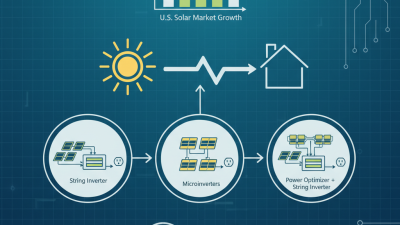
When choosing between string inverters, microinverters, and power optimizer inverters, homeowners face critical decisions. String inverters are a popular choice due to their simplicity and cost-effectiveness. However, they can underperform if some panels are shaded or dirty. According to a recent industry report by the National Renewable Energy Laboratory (NREL), string inverters may lead to a 10-30% decrease in overall system performance under less-than-ideal conditions.
Microinverters offer a different approach. They attach to each solar panel individually. This allows each panel to operate independently. As a result, even if one panel is affected, the others can still function optimally. Though microinverters generally cost more upfront, they can yield greater energy production in varied environments. A study indicated that homes using microinverters could see an increase of 5-25% in energy output compared to those with string inverters.
Power optimizers present yet another option. They combine features of both string and microinverters. They optimize the energy output of each panel but still connect to a central inverter. This hybrid approach aims to balance cost with performance. However, some users report complexities in installation and maintenance. The choice between these inverter types ultimately hinges on specific site conditions and budget constraints.
2026 Best Solar Panel Inverter Options for Homeowners
| Inverter Type |
Efficiency (%) |
Warranty (Years) |
Cost ($ per kW) |
Best Use Case |
| String Inverters |
95 - 98 |
5 - 10 |
900 - 1200 |
Residential systems with minimal shading |
| Micro Inverters |
95 - 98 |
10 - 25 |
1200 - 1500 |
Shaded or complex roof designs |
| Power Optimizer Inverters |
96 - 99 |
10 - 25 |
1000 - 1400 |
Balanced performance with shading |
Leading Solar Inverter Brands in 2026: Performance and Reliability
In 2026, selecting the right solar panel inverter is crucial for homeowners.
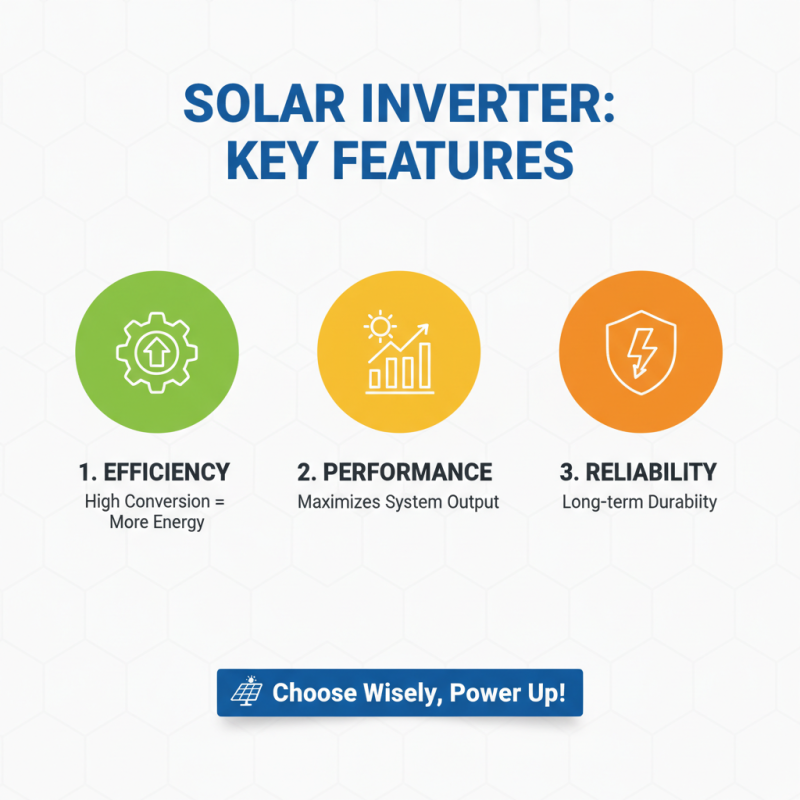
Performance and reliability are key factors when choosing an inverter. Industry reports indicate that over 80% of solar system issues stem from inverter failures. This emphasizes the need for reliable brands that offer strong warranties and customer support.
Analyzing efficiency, high-quality inverters generally range between 95% to 99%. This means they convert most of the solar energy into usable electricity. Homeowners should look for inverters that balance efficiency with affordability. Pay attention to the average lifespan, which often spans 5 to 15 years. Investing in a longer-lasting inverter can save you money over time.
Tips: Always check the inverter's efficiency rating. Ask about warranty options. Understand the importance of good customer support in case issues arise. Choosing an inverter is not just a purchase; it’s a long-term commitment. Ensure your choice aligns with your home’s specific energy needs. Remember, not all inverters are created equal, and performance can vary significantly.
Cost Analysis of Solar Inverter Installation and Long-Term Savings
Installing a solar panel inverter is a significant investment. Homeowners should carefully consider the costs involved. Average installation costs vary widely, depending on the system size. This can range from a few thousand to over ten thousand dollars. When planning your budget, don’t forget to include labor costs and additional components.
Long-term savings are where the real benefits lie. Many homeowners see reductions in energy bills, often saving hundreds annually. The return on investment can be realized in a few years. However, fluctuating energy prices can affect the overall savings. It's important to calculate potential savings based on your local energy rates.
Tips for potential solar owners: Consider local utility incentives and tax credits. They can significantly lower your upfront costs. Research installation companies carefully; cheaper is not always better. A poorly installed inverter can lead to costly repairs later. Check reviews and ask for references. Also, think about the quality of your equipment. Cheaper parts may save money now but could require replacements sooner than expected.