2026 Best Industrial Fans for Global Buyers to Consider
In today's industrial landscape, selecting the right equipment is crucial for efficiency and productivity. Industrial Fans play a pivotal role in various sectors, including manufacturing, agriculture, and warehousing. They aid in ventilation, cooling, and air circulation, ensuring optimal conditions for workers and machinery alike.
However, with such a wide array of options available, buyers may feel overwhelmed. The challenge lies in choosing fans that not only meet operational needs but also align with efficiency standards. Some models may promise high performance, yet fail in durability.
Global buyers must prioritize quality and reliability. Understanding specific requirements, such as airflow, size, and energy consumption, is vital for informed decisions. Each industrial facility has unique demands, and what works for one may not suit another. Exploring various brands and types is essential for finding the best fit. Balancing performance and cost will lead to better long-term investments.
Overview of Industrial Fans and Their Applications in Various Sectors
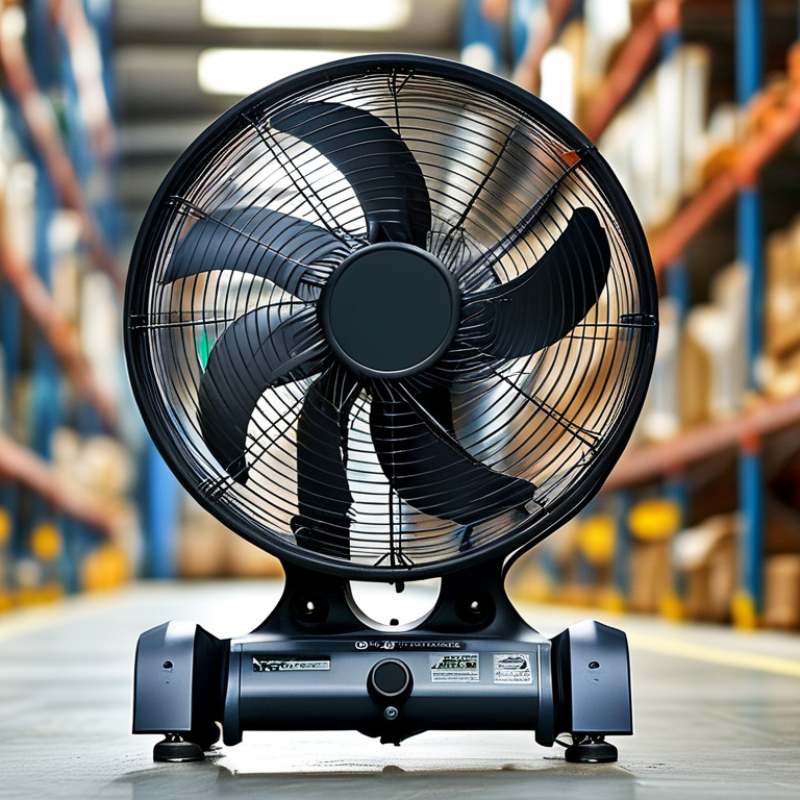
Industrial fans play a crucial role in various sectors, providing essential airflow and ventilation. They are widely used in manufacturing, agriculture, and warehouses. These fans help maintain air quality and temperature control, enhancing worker safety and productivity. In environments where hazardous fumes or excessive heat are present, industrial fans become indispensable.
When selecting an industrial fan, consider your specific needs. Factors such as fan size, airflow capacity, and energy efficiency are vital. Fans come in different types, including axial, centrifugal, and mixed flow. Each type serves distinct purposes, from cooling large spaces to exhausting hot air. Choosing the right fan can significantly impact operational efficiency.
Tip: Regular maintenance is key. Check for dust buildup, as it can reduce airflow and efficiency. Additionally, review the installation regularly to ensure optimal performance.
In some cases, cost may drive choices. However, prioritizing quality over price is essential. A cheaper fan may lead to higher energy bills and more frequent replacements. Balancing budget constraints with performance needs can improve long-term outcomes.
Tip: Consider energy-efficient models. They may have a higher upfront cost but can lead to savings over time.
Key Features to Consider When Selecting an Industrial Fan
When selecting an industrial fan, several key features come into play. First, airflow capacity is crucial. It's essential to evaluate the cubic feet per minute (CFM) rating. A fan with a higher CFM can effectively circulate air in larger spaces. According to the American Society of Heating, Refrigerating and Air-Conditioning Engineers (ASHRAE), optimal airflow is generally between 400 and 500 CFM per person in industrial settings.
Energy efficiency is another significant consideration. Many industrial facilities are looking to reduce operational costs. The U.S. Department of Energy reports that energy-efficient fans can lower electricity use by up to 50%. Look for fans with high-efficiency motors and variable speed control for better energy management.
Noise levels also matter, especially in work environments. Prolonged exposure to high noise levels can impact worker productivity and health. The Occupational Safety and Health Administration (OSHA) recommends noise levels not exceed 85 decibels over an 8-hour shift. Choosing quieter models can mitigate these risks while ensuring a comfortable workspace. Remember, a fan's reliability is just as important. Frequent breakdowns can lead to lost productivity, which can affect profitability.
Top Brands and Models of Industrial Fans for 2026
When selecting industrial fans for 2026, buyers should focus on efficiency and durability. The market is filled with options, but not all fans deliver the performance needed in harsh environments. Many brands offer various models, each with unique features designed for specific applications. It’s crucial to assess the airflow rates, energy consumption, and noise levels.
Some buyers may overlook the importance of maintenance. Regular checks can prevent costly downtime. It’s also worth considering the fan's material. Metal options tend to withstand wear better than plastic. Yet, heavy materials can add installation challenges. Not every fan is suited for every setting. Evaluating the layout of your workspace will aid in making the right choice.
Innovation is a driving factor in today’s industrial fan market. Recent advancements offer smart technology, allowing users to monitor performance remotely. However, integrating such technology may require additional training. Balancing modern features with user-friendliness is essential. Buyer feedback indicates that ease of operation is almost as important as technical specifications. Choosing the best industrial fans involves careful consideration and a willingness to adapt.
Energy Efficiency and Sustainability in Industrial Fan Technology
Industrial fans play a crucial role in enhancing air circulation and temperature control in various sectors. As energy costs rise, many businesses seek solutions that not only improve efficiency but also emphasize sustainability. Traditional fans often consume significant energy, leading to higher operational costs and larger carbon footprints. The shift towards energy-efficient technology in fan design is vital.
New designs integrate features like variable speed drives. These allow precise adjustments based on cooling needs. Consequently, this minimizes energy waste. Moreover, materials used in manufacturing fans are evolving. Many manufacturers now opt for recyclable materials, which reduces environmental impact.
While advancements are notable, challenges remain. Not all innovations guarantee energy savings. Many fans marketed as energy-efficient may not deliver the promised performance. Buyers must conduct thorough research and evaluations. A focus on real-world application and effectiveness should guide purchasing decisions. This ensures that sustainability initiatives align with genuine energy savings and operational efficiency.
Future Trends in Industrial Fan Design and Innovation
As industries evolve, so does the design of industrial fans. One notable trend is the focus on energy efficiency. Manufacturers are increasingly emphasizing eco-friendly designs. Energy-efficient fans consume less power, reducing operational costs. This shift reflects a broader commitment to sustainability.
Another emerging trend is smart technology integration. Fans equipped with IoT sensors can monitor and adjust airflow automatically. This innovation enhances efficiency and improves user experience. However, the adoption of smart systems comes with challenges. Not all facilities have the infrastructure for such integrations, leaving some users behind.
Noise reduction is also a significant factor in modern fan design. New materials and technologies are being tested to minimize sound levels during operation. Yet, achieving low noise while maintaining performance can be complicated. There is a continuous need for improvement in balancing these two critical aspects. This ongoing journey underscores that innovation is a perpetual process, requiring constant reflection and adaptation.