What Is the Average Cost of Solar Panel Inverters?
The cost of solar panel inverters is a significant factor in the overall investment for solar energy systems. According to recent data from the Solar Energy Industries Association (SEIA), the average price of solar inverter systems ranges from $1,000 to $3,000. This price can vary based on the inverter type and brand. Expert Mike Smith, a leading analyst in the solar industry, states, "Understanding solar panel inverter cost is crucial for budgeting solar installations."
Homeowners should keep in mind that while upfront costs matter, long-term savings are invaluable. With the rise of energy prices, many consumers are seeking sustained energy independence. Additionally, the lifespan and efficiency of inverters can impact the overall return on investment. A cheaper inverter may reduce initial costs but could require replacement sooner. This fact raises questions about balancing cost with long-term performance.
As the industry evolves, innovation may lead to new solutions that alter the landscape of solar panel inverter cost. As always, staying informed is vital for making educated choices in this growing market.
Understanding Solar Panel Inverters: Definition and Functionality
Solar panel inverters play a crucial role in solar energy systems. They convert the direct current (DC) produced by solar panels into alternating current (AC), which can be used in homes and businesses. Understanding this functionality is essential for anyone considering solar power. The efficiency of an inverter can also affect the overall performance of a solar system.
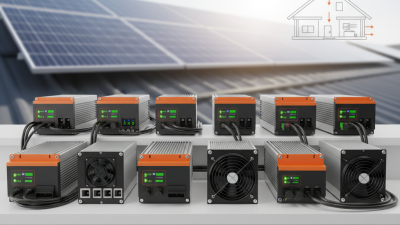
There are different types of inverters, including string inverters, microinverters, and power optimizers. Each type has its pros and cons, depending on the installation and energy needs. For instance, microinverters can optimize energy production on a panel-by-panel basis. However, they may be more expensive than traditional string inverters. It’s essential to weigh these options carefully.
Installation is another vital aspect. A poorly installed inverter can lead to inefficiencies and potential system failures. Many homeowners may overlook maintenance, thinking solar is maintenance-free. Regular checks are necessary to ensure all components function correctly. Understanding these details helps individuals make informed decisions on their solar investments.
Factors Influencing the Cost of Solar Panel Inverters
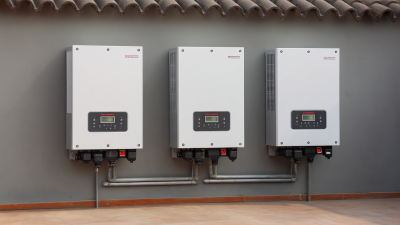
When considering the cost of solar panel inverters, various factors come into play. One major element is the inverter type. String inverters, known for their affordability, average around $1,000 to $3,000. On the other hand, microinverters and power optimizers typically cost more, ranging from $1,500 to $4,000. A reputable industry report indicates that the choice of inverter can significantly impact overall solar system efficiency and performance.
Installation complexity also influences costs. For instance, systems that include multiple panel orientations often require more sophisticated inverters. This raises installation costs, which can add hundreds of dollars. Additionally, locations with challenging access can lead to higher labor expenses. Industry research highlights that these variables can increase the total inverter installation cost by 10% to 20%.
Lastly, technology advancements affect pricing. Newer, more efficient inverters may offer long-term savings through energy production. While upfront costs are higher, their longevity and efficiency could justify the investment. However, consumers need to consider their unique energy needs and usage patterns. Balancing cost and efficiency is essential for optimal solar system performance.
Average Price Range for Different Types of Solar Panel Inverters
The average cost of solar panel inverters varies significantly based on the type and efficiency. Generally, string inverters range from $1,000 to $2,500. Microinverters can cost between $1,200 and $3,000. For more advanced systems, like power optimizers, prices can be similar to microinverters.
Investing in a solar inverter must align with your energy needs. If you live in an area with frequent shading, microinverters might be more effective, even if they cost more initially. They optimize energy conversion at the individual panel level. On the other hand, string inverters work well when sunlight is consistent across all panels.
Consider the long-term savings on electricity bills. A higher upfront cost might mean lower maintenance expenses later. Look for warranties and replacement options, as inverter failure can lead to increased costs. Assess your rooftop space and energy requirements before making a decision. Proper research is essential to maximize your investment.
Average Cost of Solar Panel Inverters
Cost Comparison: Residential vs. Commercial Solar Inverters
When considering solar panel inverters, it's crucial to understand the cost differences between residential and commercial options. Residential solar inverters typically range from $1,000 to $3,000. Prices can vary based on power capacity and technology. Homeowners often seek inverters with features such as monitoring systems, which can add to the price. Installation costs may also affect the total expenditure. Understanding these factors helps homeowners make informed decisions.
On the commercial side, inverters are generally more expensive. The costs can start from $2,000 and escalate to over $10,000. This wide range depends on system size and quality. Commercial facilities usually require higher capacity inverters. They also benefit from bulk purchasing, which can lower overall costs per watt. However, selecting the right inverter isn’t solely about price. Efficient energy management is vital for maximizing investment.
Evaluating the long-term savings versus initial costs can be challenging. Many businesses may initially dismiss the high upfront costs. Yet, the ROI through energy savings becomes apparent over time. This reflection on value helps both homeowners and businesses navigate their solar options more effectively.
What Is the Average Cost of Solar Panel Inverters? - Cost Comparison: Residential vs. Commercial Solar Inverters
| Type |
Average Cost |
Power Output (kW) |
Efficiency (%) |
Lifespan (Years) |
| Residential Inverter |
$1,000 - $3,000 |
3 - 10 |
95 - 98 |
5 - 15 |
| Commercial Inverter |
$10,000 - $50,000 |
10 - 100 |
93 - 97 |
5 - 20 |
| String Inverter |
$1,200 - $3,500 |
3 - 12 |
95 - 97 |
5 - 10 |
| Micro Inverter |
$2,000 - $4,000 |
1 - 4 |
96 - 98 |
10 - 25 |
Additional Costs and Considerations for Solar Inverter Installation
When considering solar inverter installation, it’s crucial to understand the associated costs beyond the inverter itself. Solar inverters can range in price, but installation can significantly impact your total expenditure. Labor costs often hinge on location and complexity. An experienced installer may charge more, yet their expertise can prevent future issues. In some regions, permits or inspections may add to this financial burden.
Beyond labor, think about the additional materials needed for a successful installation. Wiring, mounting equipment, and safety products can all contribute. It’s essential to have a clear budget that includes these components. Ignoring these extra costs can lead to unexpected surprises down the line.
While it’s easy to focus solely on inverter costs, consider the long-term benefits of quality installation. Cutting corners to save money may not pay off. A well-installed inverter can improve efficiency and longevity. In the solar energy field, knowledge and experience matter. Understanding the entire installation process helps make informed decisions and ensures a worthwhile investment.