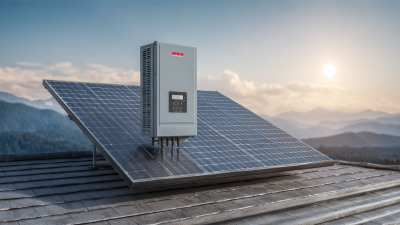
2025 Guide: How to Choose the Best Micro Inverter Solar System for Your Home
As the world increasingly shifts towards renewable energy solutions, homeowners are faced with the exciting opportunity to invest in solar power. Among the various options available, the micro inverter solar system has gained significant popularity for its unique advantages. Unlike traditional string inverter systems, micro inverters convert solar energy at the individual panel level, allowing for greater efficiency and flexibility. This technology not only maximizes energy production but also enhances system monitoring and reliability, catering to the diverse needs of homeowners.
In this guide, we will explore the essential factors to consider when choosing the best micro inverter solar system for your home. From understanding the intricacies of panel compatibility to evaluating energy consumption needs, this comprehensive overview will help you make an informed decision. Additionally, we will delve into various brand options and performance metrics, ensuring that you are equipped with the right knowledge to select a system that meets your energy goals and fits within your budget. With the right micro inverter solar system, you can not only reduce your carbon footprint but also enjoy long-term savings on your energy bills.
Understanding Micro Inverters: The Key to an Efficient Solar System
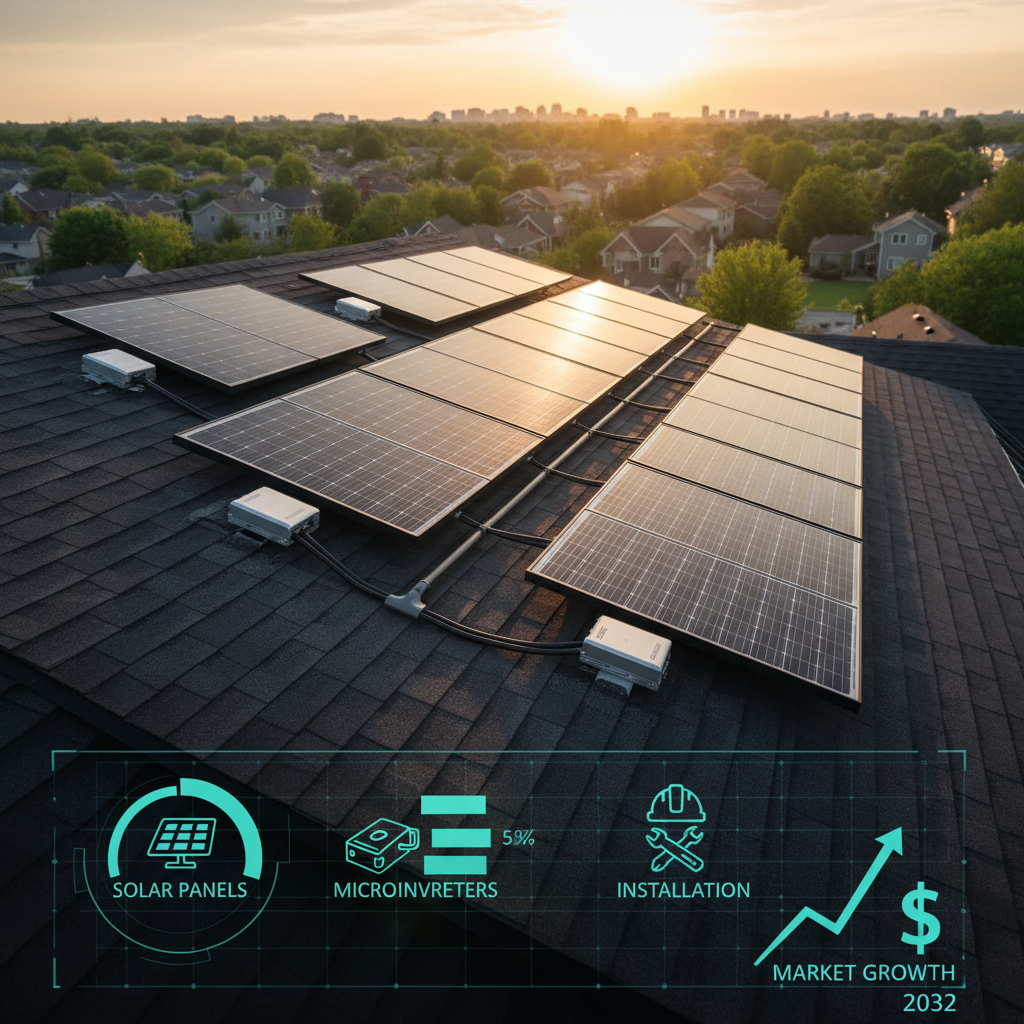
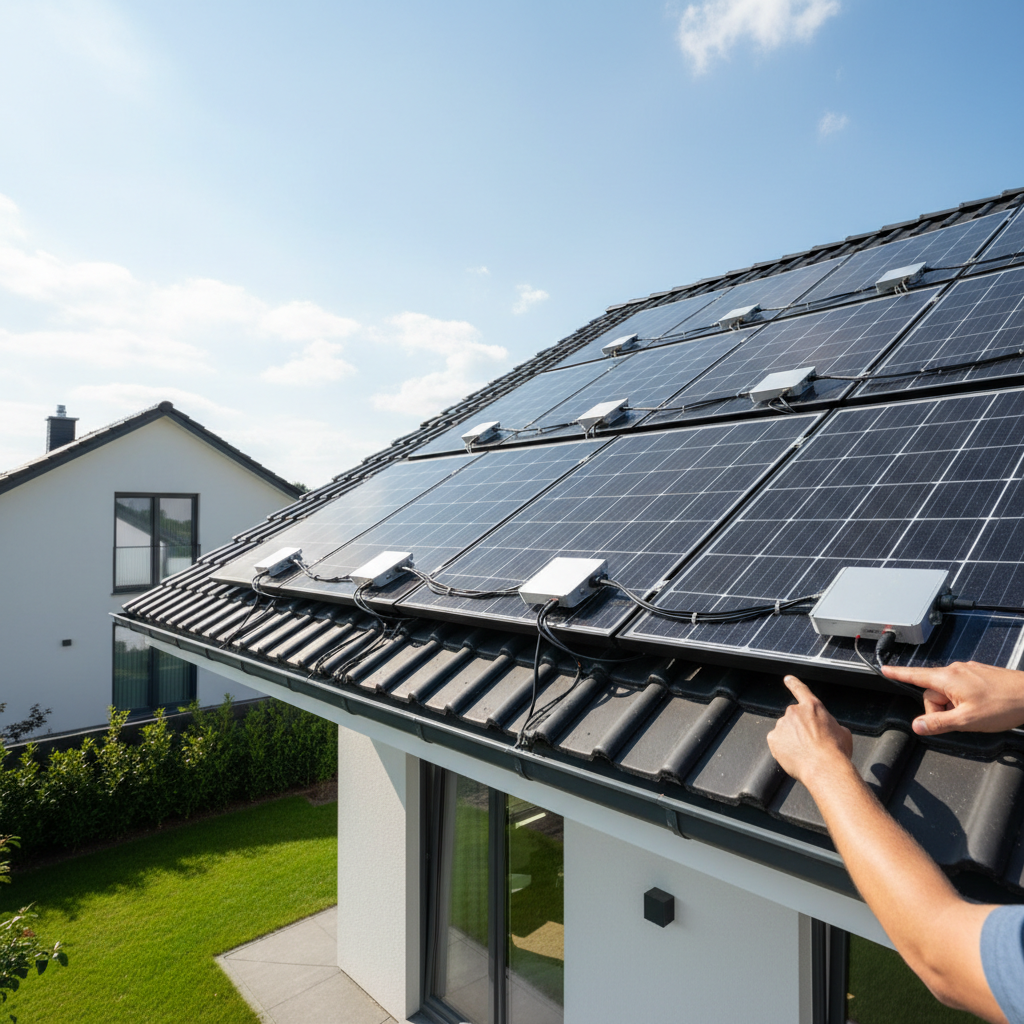
Microinverters play a crucial role in the efficiency of solar power systems, serving as the backbone for converting the direct current (DC) electricity generated by solar panels into usable alternating current (AC) electricity. Compared to traditional string inverters, microinverters offer significant advantages including improved energy harvest and system reliability. According to industry reports, the global microinverter market is projected to grow from $4.12 billion in 2024 to a staggering $15.40 billion by 2032, reflecting a compound annual growth rate (CAGR) of 17.92%. This growth is primarily driven by the rising adoption of renewable energy solutions, emphasizing the importance of microinverters in optimizing solar system performance.
In addition to market growth, advancements in technology have led to increased efficiency in microinverters. Recent innovations have introduced models achieving up to 97.5% efficiency, which is critical for maximizing energy output, especially in commercial-scale installations. Furthermore, these systems employ features like independent maximum power point tracking (MPPT), allowing each solar panel to operate at its best regardless of shading or orientation. As the demand for clean energy continues to escalate, understanding the fundamental role of microinverters is essential for homeowners looking to invest in efficient and reliable solar systems in 2025 and beyond.
Evaluating Your Home's Energy Needs for Solar Solutions
When considering a micro inverter solar system for your home, the first step is to evaluate your energy needs. Understanding your household's power consumption patterns is crucial for determining the right system size and configuration. Take a look at your past energy bills to get an average of your monthly consumption. By identifying trends and peak usage times, you can make more informed decisions about how much solar energy you require to offset your electricity costs.
**Tips:** Consider investing in an energy monitor to track real-time usage. This technology provides visibility into when and where you use the most power, helping you optimize your solar solution for maximum efficiency. Additionally, think about future energy needs—perhaps you're planning to purchase an electric vehicle or upgrade your appliances. This foresight can also influence the size of the solar system you should install.
It’s also essential to assess your roof's suitability for solar panels. Factors such as roof orientation, shading from trees or buildings, and space constraints all play a role in the effectiveness of a micro inverter system. A clear understanding of your roof's potential will help ensure that your investment in solar energy pays off in the long run.
Comparing Different Types of Micro Inverters Available in 2025
In 2025, choosing the right micro inverter for your solar system involves understanding the various types available and their specific features. Micro inverters are crucial for converting the direct current (DC) generated by solar panels into usable alternating current (AC), and their performance can significantly impact the overall efficiency of your solar energy system. You'll find options ranging from traditional micro inverters to newer hybrid models that combine functionalities to optimize energy production.
When comparing different types of micro inverters, consider factors such as compatibility with your solar panels, efficiency ratings, and the warranty offered by the manufacturer. Some micro inverters may offer higher energy conversion rates, while others provide better performance in partial shading conditions. Understanding these differences can help you make an informed decision that aligns with your energy needs and budget. As the micro inverter market continues to grow, investing in the right model can lead to long-term savings and a more sustainable energy solution for your home.
2025 Guide: How to Choose the Best Micro Inverter Solar System for Your Home
| Type of Micro Inverter |
Power Output (W) |
Efficiency (%) |
Price Range ($) |
Warranty (Years) |
Installation Type |
| Standard Micro Inverter |
250-300 |
95-96 |
150-300 |
10 |
Rooftop |
| High Efficiency Micro Inverter |
300-400 |
97-98 |
200-400 |
15 |
Rooftop / Ground |
| Smart Micro Inverter |
250-350 |
96-97 |
180-320 |
10 |
Rooftop |
| Grid-Tied Micro Inverter |
200-300 |
94-95 |
100-250 |
12 |
Rooftop |
| Off-Grid Micro Inverter |
100-250 |
90-92 |
150-300 |
10 |
Ground |
Installation and Maintenance Considerations for Micro Inverter Systems
When choosing a micro inverter solar system for your home, installation and maintenance are critical factors to consider. Micro inverters convert the direct current generated by solar panels into alternating current on a panel-by-panel basis, which enhances efficiency in systems where shading may occur or panels are oriented in different directions. According to a report by the National Renewable Energy Laboratory (NREL), micro inverters can increase energy harvest by up to 20% compared to traditional string inverters, especially in complex roof layouts.
Before installation, it’s advisable to consult with professionals who can assess your home's specific needs and conditions. Ensure that the installation team is certified and has experience with micro inverter systems. Additionally, keep in mind that micro inverters typically come with warranties of 20-25 years, reflecting their durability and the low maintenance requirements. However, regular inspections are recommended to ensure all connections are secure and functioning properly, as highlighted in the Solar Energy Industries Association (SEIA) guidelines.
**Tip:** To maximize performance, consider installing your micro inverters in well-ventilated areas, as overheating can lead to reduced efficiency.
Additionally, utilize monitoring systems that most micro inverter setups offer, allowing you to keep track of your solar production and easily identify any issues that may arise over time.
2025 Guide: Micro Inverter Performance Comparison
Cost Analysis: Budgeting for Your Home's Micro Inverter Solar Setup
When budgeting for a micro inverter solar setup, it’s crucial to understand the various costs involved. The initial expenditure typically includes the purchase of solar panels, inverters, and the installation itself. With the global microinverter market anticipated to grow significantly, projected to reach $15.40 billion by 2032, investing in microinverter technology is becoming increasingly viable and potentially profitable for homeowners. It’s important to delve into the specifics of each component to ensure maximum efficiency and return on investment.
**Tips:**
1. Calculate your energy needs accurately to determine the size and number of panels required. This will ensure you are not overspending on unnecessary capacity.
2. Investigate available rebates and incentives in your area, as many local and federal programs can significantly reduce the upfront cost of your solar investment.
3. Keep an eye on the warranty and maintenance costs associated with micro inverters, as these can impact long-term savings and performance.
By compiling a thorough cost analysis and exploring all available options, homeowners can make informed decisions that align with their energy goals and budgetary constraints.